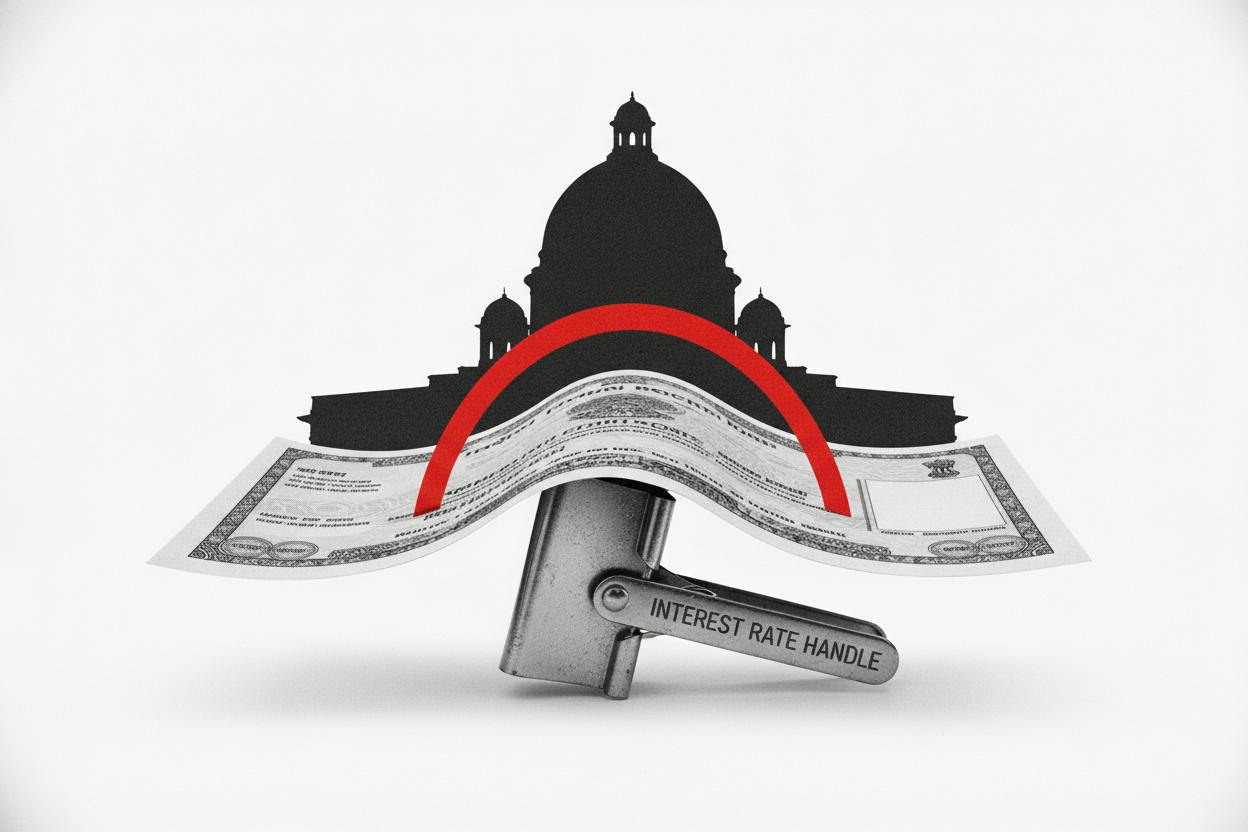
India's state-run Small Industries Development Bank of India (SIDBI) has returned to paying interest rates above 8% on its debt for the first time in nearly a decade, a clear signal that investors are demanding more compensation as they anticipate further monetary tightening by the Reserve Bank of India (RBI).
On Wednesday, SIDBI raised 51.76 billion rupees (about $620 million) by selling a three-year bond and a short-dated note maturing in under two months, both carrying an 8.05% coupon, according to Reuters. That marks a notable jump from early September, when the lender paid 7.70% on a similar three-year structure. The last time SIDBI paid 8% or more was in November 2017, when it issued a five-year bond at that rate.
Why is SIDBI paying more?
The repricing reflects a broader shift in India's debt markets. Investors, who lend money to companies and banks by buying their bonds, are now asking for higher yields to compensate for the risk that inflation stays elevated and the RBI keeps raising its benchmark interest rate. When central banks hike rates, newly issued bonds typically need to offer higher coupons to attract buyers, because older bonds with lower rates become less attractive.
SIDBI is a development finance institution that provides credit and other support to small and medium-sized enterprises (SMEs). Because it is state-owned, its bonds are considered relatively safe, but even so, the rising cost of borrowing shows that the pressure from higher rates is spreading across the Indian financial system.
The move comes as India grapples with stubborn inflation. Wholesale price inflation hit 11.39% in September, the highest in the new series, and consumer goods companies are feeling the pinch from rising input costs. The RBI has already raised rates several times this year to cool price pressures, and markets are pricing in the possibility of more hikes.
What does this mean for investors?
For everyday investors, the SIDBI bond sale is a useful barometer of where interest rates are heading. When a well-known state lender has to pay 8% to borrow, it suggests that yields across the board—on bank fixed deposits, corporate bonds, and even government securities—are likely to keep climbing.
That has mixed implications. On one hand, savers may welcome higher returns on new fixed deposits and debt instruments. On the other, borrowers—including companies and individuals with loans—will face higher interest costs. For equity investors, rising rates can weigh on stock valuations, especially for growth-oriented companies that rely on cheap borrowing to expand.
Foreign investors have also been selling Indian stocks recently, partly due to global factors like higher oil prices and a stronger dollar. The combination of higher domestic rates and foreign outflows could keep pressure on the rupee and the broader market.
What to watch next
Investors will be closely watching the RBI's next policy meeting for clues on how much further rates might go. The central bank has signalled it remains focused on bringing inflation down, even if that means slower economic growth.
For those with money in debt funds or fixed deposits, the trend is clear: locking in longer-term rates now might be wise if you expect yields to rise further. But as always, it's important to consider your own financial goals and risk tolerance.
The SIDBI bond sale is just one data point, but it's a telling one. When a state-run lender has to pay 8% again after nearly a decade, it's a reminder that the era of cheap money is firmly over—and that investors are bracing for more rate pain ahead.