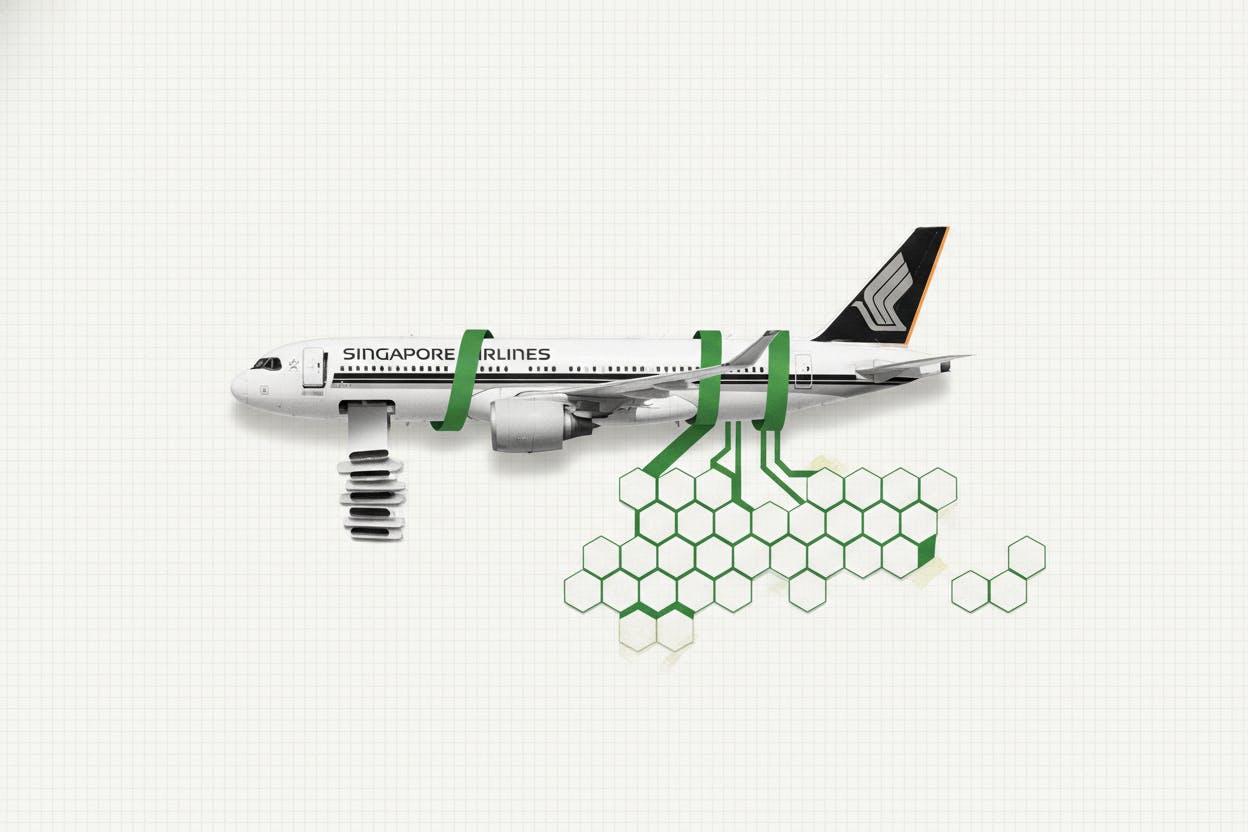
Singapore Airlines says its artificial intelligence push is starting to pay off in customer service, with its chatbot Kris nearly doubling customer satisfaction since a relaunch in July 2025. The airline also revealed that staff are using an internal tool called Jarvis, introduced in 2024, to build no-code AI agents that handle everyday operational tasks.
The update, reported by Singapore's Business Times, offers a rare glimpse into how a major carrier is moving AI from experimental pilots into real-world use. For investors, it signals that the airline is betting on technology to improve efficiency and the passenger experience—two factors that can directly affect profitability.
What is Kris and why does it matter?
Kris is Singapore Airlines' virtual assistant, designed to handle customer queries across its digital channels. After its July 2025 relaunch, the airline says customer satisfaction with the chatbot has nearly doubled. That is a significant jump, suggesting the AI is now resolving issues more effectively than before—likely reducing the need for human agents and cutting wait times.
For everyday travelers, a better chatbot means faster answers to questions about bookings, baggage, and flight changes. For the airline, it means lower call-center costs and fewer frustrated customers. In an industry where service quality is a key differentiator, improvements like this can help retain loyal passengers and attract new ones.
Jarvis: putting AI in employees' hands
Alongside Kris, Singapore Airlines has been rolling out Jarvis, a tool that lets staff create AI agents without writing code. Launched in 2024, Jarvis allows employees to build simple automation for repetitive tasks—like sorting emails, updating records, or generating reports. The idea is to let frontline staff solve their own problems rather than waiting for the IT department.
This 'no-code' approach is part of a broader trend across industries, where companies are democratizing AI so that non-technical workers can deploy it. For Singapore Airlines, it means faster adoption and more tailored solutions. The airline says these agents are now being used in everyday operations, though it did not specify exactly which departments are using them.
What does this mean for investors?
For shareholders, the key takeaway is that Singapore Airlines is treating AI as a strategic investment, not just a tech experiment. Improved customer satisfaction can lead to higher revenue through repeat business and premium fares. Operational efficiencies, meanwhile, can protect margins in a sector known for thin profits and volatile fuel costs.
The airline's move also reflects a wider industry shift. Carriers around the world are using AI for everything from predictive maintenance to dynamic pricing. Demand for AI-related technology has been a major driver of global markets, and airlines are among the companies putting that technology to work.
However, investors should keep expectations realistic. AI in aviation is still evolving, and the benefits may take time to show up in financial results. The airline's announcement is a positive sign, but it is not a guarantee of immediate profit gains.
Broader context: Singapore Airlines and the region
Singapore Airlines operates in a competitive Asian market, where rivals like Cathay Pacific and Qantas are also investing in digital tools. The airline has long been known for its service, and AI could help it maintain that reputation while controlling costs.
In the broader Singapore market, shares have been moving on trade data and corporate earnings, and the airline's AI push is part of a larger trend of companies using technology to stay ahead. The AI boom has lifted growth forecasts for the region, and airlines are among the beneficiaries.
Still, the airline faces headwinds. Fuel prices, geopolitical tensions, and competition can all affect performance. Disruptions to shipping routes can also have knock-on effects on travel demand. Investors should weigh these risks against the potential benefits of AI-driven improvements.
What to watch next
Investors will be watching for signs that the AI investments are translating into better financial metrics—such as higher customer satisfaction scores, lower operating costs, or improved load factors. The airline's next earnings report will be a key test.
For now, the message from Singapore Airlines is clear: AI is no longer a futuristic concept but a practical tool that is already improving service. Whether that translates into long-term shareholder value will depend on how well the airline scales these efforts and manages the risks.