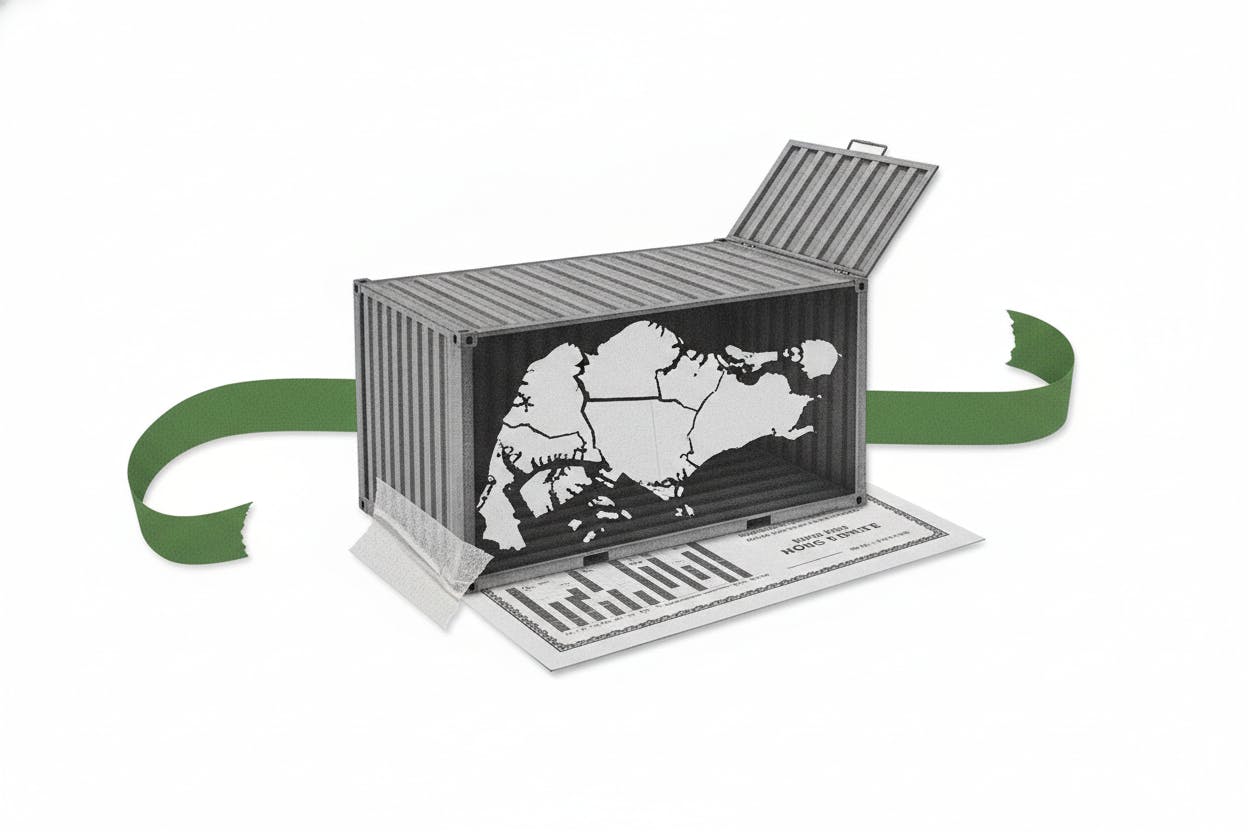
Singapore-based container depot operator EKH has kicked off an initial public offering (IPO) on the Hong Kong Stock Exchange, aiming to raise up to HK$138.3 million (about US$17.7 million). The company plans to use the bulk of the proceeds to build its Mega Depot in Singapore and pay down borrowings tied to that project.
What is EKH and Why Does It Need the Cash?
EKH operates container depots—facilities where shipping containers are stored, maintained, and repaired between voyages. As global trade flows through Singapore, one of the world's busiest ports, container depots play a critical behind-the-scenes role in keeping supply chains moving.
The company's flagship project, the Mega Depot, is designed to be a larger, more integrated logistics hub. Building it requires significant upfront capital, which EKH plans to fund partly through this IPO. After construction, remaining funds will go toward repaying borrowings taken on for the depot and adding working capital—the cash a business needs for day-to-day expenses like salaries, supplier payments, and utilities.
An IPO, or initial public offering, is when a private company sells shares to the public for the first time. It's a common way for firms to raise growth capital without taking on more debt. For investors, it's a chance to buy into a company's future earnings—but also comes with risks, including share price volatility and limited historical trading data.
Hong Kong IPO Market Sees Steady Activity
EKH's listing adds to a steady stream of Hong Kong IPOs in 2025. Other recent offerings include Guangdong Dtech, a drill bits maker aiming to raise HK$4.8 billion, and Chaozhou Three-Circle, which seeks HK$7.16 billion with backing from Temasek. While these are much larger deals, EKH's smaller size is typical for niche industrial players.
Hong Kong remains a favored listing venue for Southeast Asian companies, thanks to its deep capital markets and international investor base. For EKH, listing in Hong Kong rather than Singapore may offer access to a broader pool of institutional investors and greater liquidity.
What This Means for Everyday Investors
For retail investors considering the IPO, it's important to understand the business model. Container depot operators earn revenue from storage fees, handling charges, and maintenance services. Their fortunes are tied to global trade volumes—when shipping activity rises, demand for depot services tends to follow. Conversely, a slowdown in trade can hurt earnings.
EKH's focus on building a larger facility suggests management expects continued demand from Singapore's port. However, the company also carries debt from the project, which will need to be serviced from future cash flows. Investors should review the IPO prospectus carefully for details on revenue trends, customer concentration, and competitive pressures.
IPO investing carries specific risks. Newly listed stocks can be volatile, and the lock-up period—during which early investors cannot sell—can lead to price swings when it expires. It's also worth noting that smaller IPOs like EKH's may have less analyst coverage and lower trading volumes, which can make it harder to buy or sell shares at desired prices.
For context, other recent IPOs in the region include Nexchip, which is targeting $890 million for R&D investment, and GCash owner Mynt, which filed for a record Manila IPO. These illustrate the diversity of companies going public across Asia.
What to Watch Next
Investors will be watching the IPO's subscription levels and eventual pricing. If demand is strong, EKH may price shares near the top of its indicative range. The company's post-listing performance will also depend on its ability to execute the Mega Depot project on time and on budget, and on broader trends in global shipping and trade.
For now, EKH's IPO is a reminder that even behind-the-scenes logistics companies can tap public markets to fund growth. As always, investors should do their own research and consider how any single stock fits into a diversified portfolio.