SK Group is considering a massive expansion of its planned artificial intelligence data center in Ulsan, South Korea, according to a report from The Korea Times. The facility, currently envisioned at 100 megawatts (MW), could grow to as much as 1 gigawatt (GW) — a tenfold increase that would place it among the largest data centers in the world.
The project is being developed in partnership with SK Telecom, South Korea's largest mobile carrier, and Amazon Web Services (AWS), a leading cloud-computing provider. Citing SK Group Chairman Chey Tae-won, the report said the expanded facility could begin operations in the second half of 2027.
What is a gigawatt-scale data center?
To understand the scale, it helps to know what a megawatt and a gigawatt mean in the data center world. A typical large data center might use tens of megawatts to power thousands of servers. A gigawatt is 1,000 megawatts — enough to power roughly 700,000 to 800,000 homes, depending on the region. Data centers of that size are often called “hyperscale” facilities, built to support the massive computing demands of AI models, cloud services, and large-scale data processing.
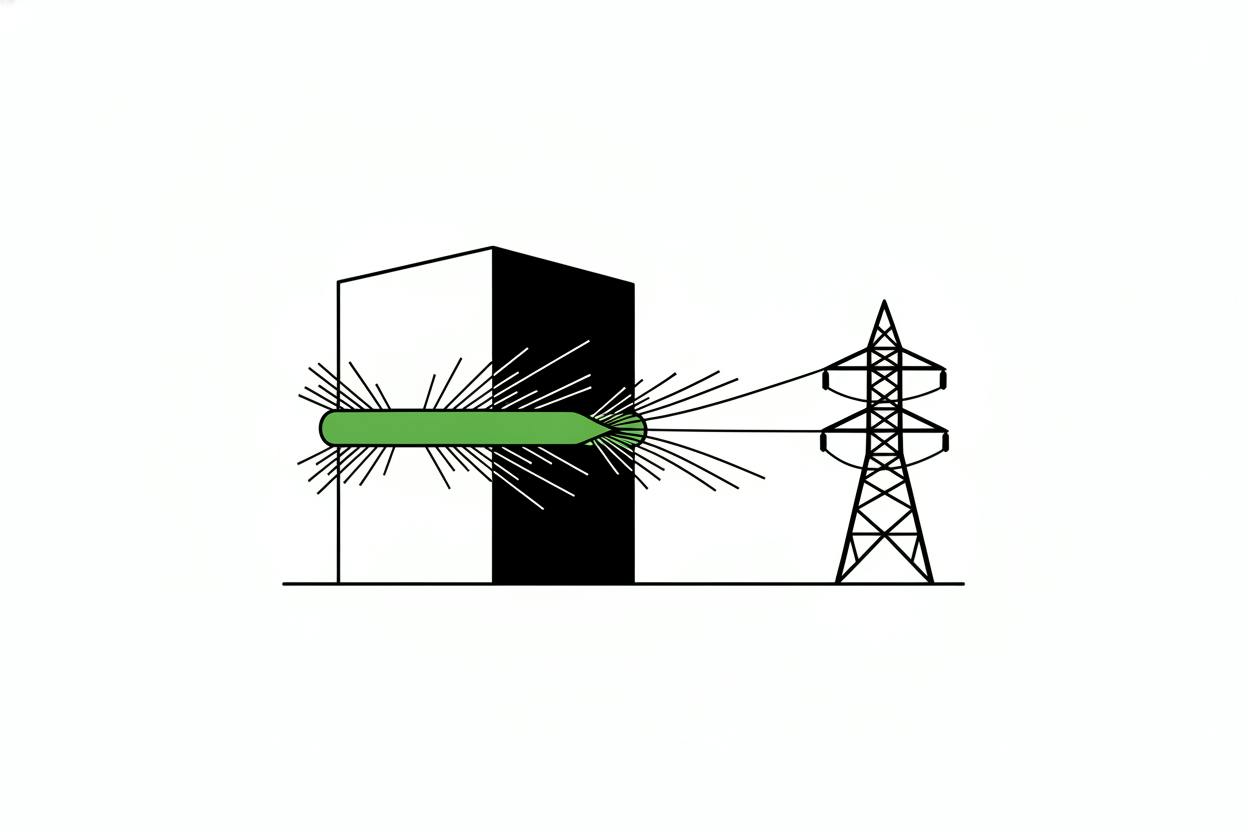
The jump from 100 MW to 1 GW is not just about adding more servers. The real challenge lies in securing the electricity and the infrastructure to deliver it. A gigawatt-scale facility requires dedicated power substations, high-voltage transmission lines, and a reliable energy source. In many regions, grid connection delays are a bigger bottleneck than construction timelines. This is why such projects often take years to come online, and why the 2027 target is notable — it suggests the partners are already working on the power side.
Why Ulsan?
Ulsan is an industrial city on South Korea's southeastern coast, known for its petrochemical and shipbuilding industries. It is not traditionally a tech hub, but it offers something valuable: land and access to power. Industrial regions often have existing electrical infrastructure and available real estate, which can be attractive for large-scale data center projects. The choice of Ulsan also aligns with South Korea's broader push to become a regional hub for AI and cloud computing.
The involvement of AWS is significant. AWS is one of the world's largest cloud providers, and its partnership with SK Telecom suggests the facility could be used to host cloud services for both domestic and international customers. For SK Telecom, the project is part of a strategy to diversify beyond its core mobile business into AI and data services.
What it means for investors
For everyday investors, this news is a reminder of the growing demand for data infrastructure. AI models require enormous computing power, and that power needs physical data centers. Companies that build and operate these facilities — or supply the equipment and electricity — stand to benefit from this trend. However, these projects are capital-intensive and face execution risks, including construction delays, cost overruns, and regulatory hurdles.
For SK Group, the expansion would be a major bet on the future of AI. The company is already a major player in semiconductors through SK Hynix, a key supplier of memory chips used in AI servers. A gigawatt-scale data center could create synergies, giving SK a foothold in both the hardware and the infrastructure layers of the AI economy.
For AWS, the project reinforces its strategy of expanding cloud capacity in Asia. South Korea is a mature cloud market, but demand is growing as local businesses and government agencies move more workloads to the cloud. The Ulsan facility could help AWS meet that demand while also serving as a regional hub for AI workloads.
Investors should also watch the broader context. Data center construction is booming globally, but it is not without risks. As recent analysis has noted, financing and regulatory issues can affect the viability of such projects. In addition, the energy demands of hyperscale data centers are drawing scrutiny from regulators and environmental groups, which could lead to stricter rules or higher costs.
The Ulsan project is still in the planning stage, and the expansion from 100 MW to 1 GW is not yet final. The Korea Times report, citing Chairman Chey, indicates the company is “weighing” the larger scale. That means the final decision could depend on securing power supply, customer commitments, and financing.
What to watch next
Investors should keep an eye on a few things. First, any official announcement from SK Group or SK Telecom about the project's final capacity and timeline. Second, developments in South Korea's energy policy, particularly around grid access and renewable energy requirements. Third, how the project fits into AWS's regional expansion plans.
For now, the news is a positive signal for the AI infrastructure theme, but it is not a reason to rush into any stock. As with any large-scale project, the gap between announcement and operation is wide, and many things can change. The second half of 2027 is still more than two years away, and the data center landscape could look different by then.
For those interested in the broader picture, the Ulsan project is part of a wave of data center investments across Asia. From Singapore's data center REIT plans to other regional developments, the demand for digital infrastructure is reshaping industrial real estate and energy markets. Understanding these trends can help investors make informed decisions about where to put their money.