SK Hynix, one of the world's leading memory chipmakers, made its Nasdaq debut on Friday with a clear message for investors: the artificial intelligence boom is creating a supply crunch for a critical component that could last well into the next decade.
CEO Kwak Noh-jung told Reuters that demand for high-bandwidth memory (HBM) is outstripping what the industry can produce, and the tightest period is expected around 2027. He added that customers could still be asking for more than SK Hynix can ship even beyond 2030.
Investors responded enthusiastically, sending shares up 14.8% to $170.94 on the first day of trading. The strong debut underscores how central HBM has become to the AI supply chain — and how much pricing power the companies that make it currently hold.
What is high-bandwidth memory and why does it matter?
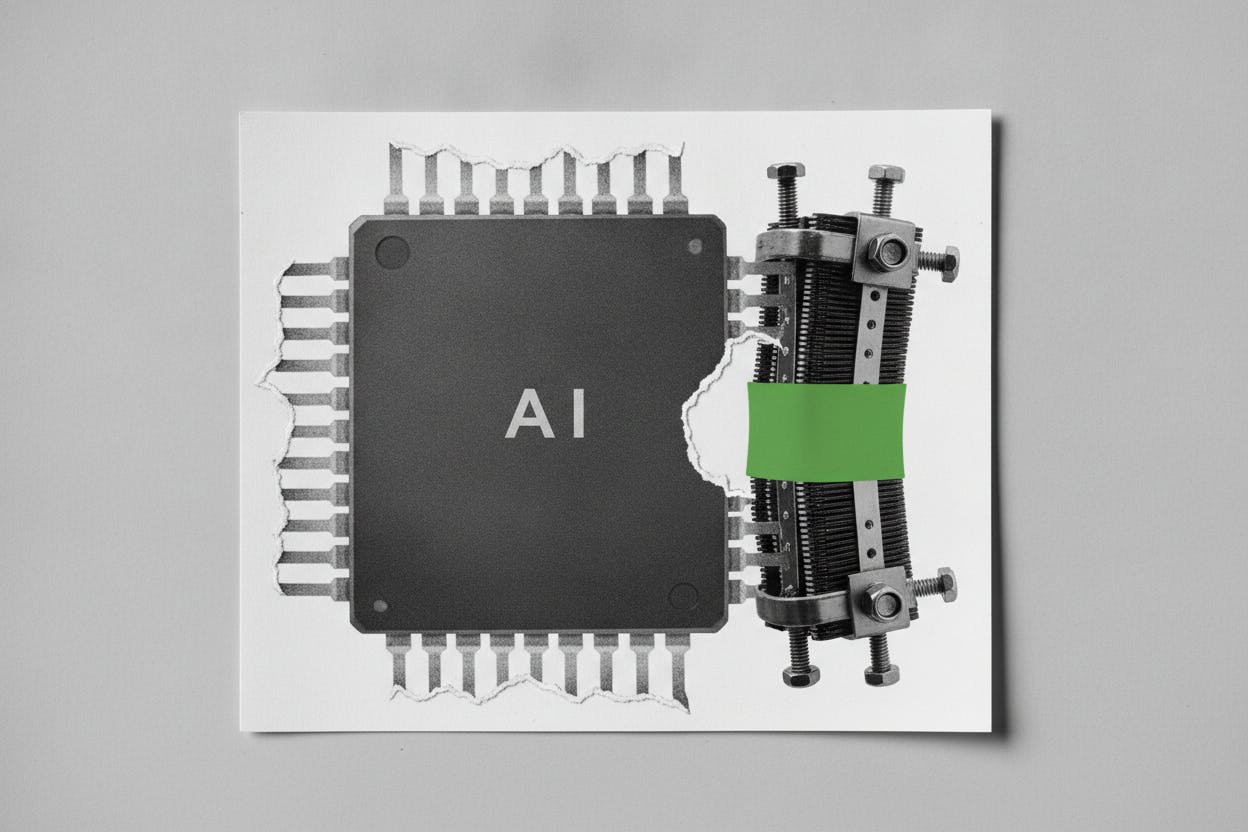
High-bandwidth memory is a specialized type of memory that sits right next to AI processors like Nvidia's graphics processing units (GPUs). It allows data to move extremely quickly between the memory and the chip, which is essential for training large AI models and running inference tasks. Without enough HBM, even the most powerful GPUs can be slowed down by data bottlenecks.
SK Hynix is one of the dominant suppliers of HBM, particularly for systems built around Nvidia processors. That position has made the company a key beneficiary of the AI spending boom, but it also means that any constraints in HBM supply can ripple through the entire AI ecosystem.
Nvidia CEO Jensen Huang has previously warned that AI memory constraints could last for several years, meaning the pace of AI chip shipments depends as much on HBM availability as on end-user demand.
Boom-bust risks in memory
The memory chip industry has a long history of sharp cycles. When demand is strong and supply is tight, memory makers enjoy strong pricing power and fat profit margins. But when new factories come online and supply catches up — or when demand softens — prices can collapse quickly.
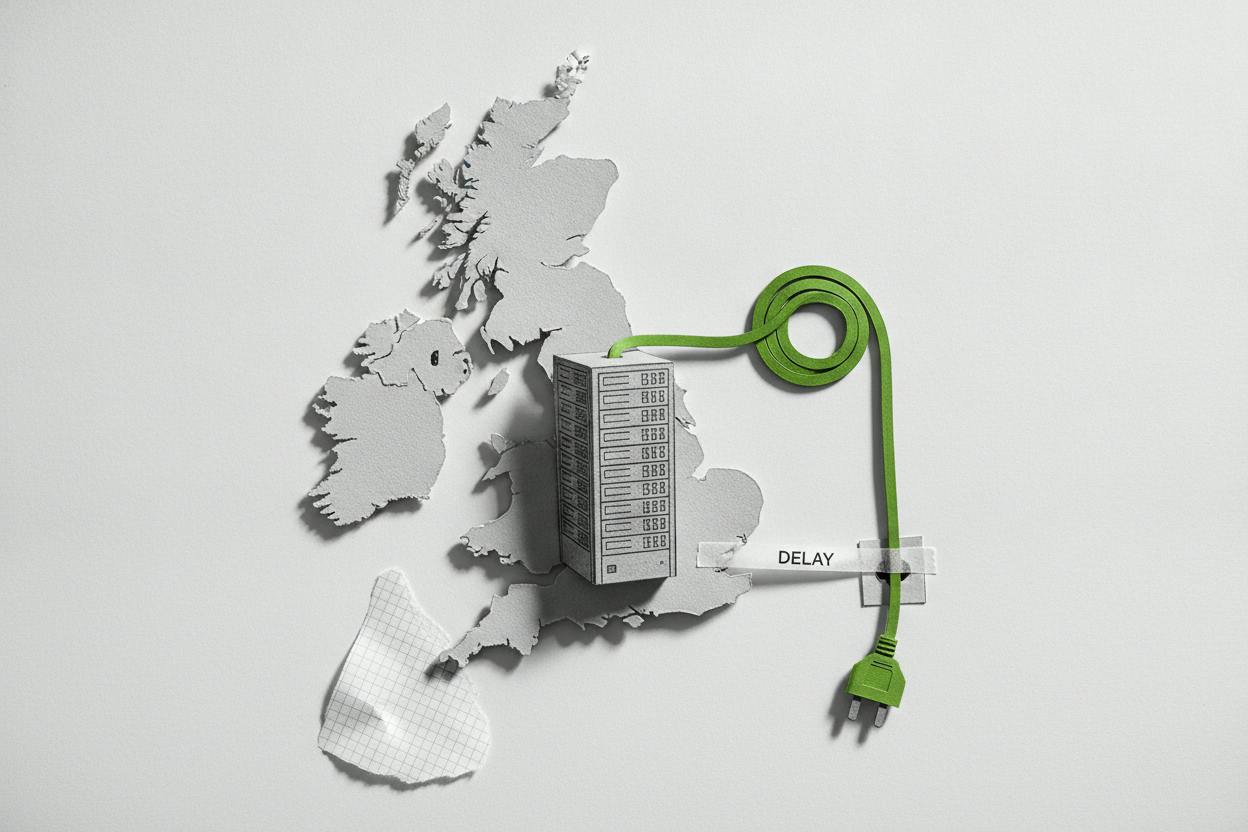
That history is why some investors are watching SK Hynix's expansion plans closely. The company is building new and upgraded sites in South Korea and a planned advanced chip-packaging plant in Indiana. South Korea has also announced a broader plan, involving both SK Hynix and Samsung Electronics, to double the country's national memory output within five years.
If all that new capacity arrives just as AI demand growth begins to slow, the industry could face a painful downturn. For now, though, the balance is firmly in SK Hynix's favor. The company swung from an operating loss in 2023 to a record 47 trillion won operating profit in 2025, according to Reuters, and LSEG SmartEstimate puts this quarter's operating income at 65.5 trillion won.
What it means for investors
SK Hynix's Nasdaq debut is a milestone for the company and for the AI chip sector more broadly. The stock's 14.8% first-day pop shows how much value the market places on HBM scarcity.
When supply is tight, memory makers tend to gain pricing power because big chip buyers can't easily switch suppliers. That can lift contract prices and keep order books full, which is good news for SK Hynix's earnings. But the risk is that a rush of new capacity arrives just as demand growth slows, squeezing margins.
For the broader AI ecosystem, the HBM shortage is a real-world bottleneck. If AI chipmakers can't get enough memory, they can't ship as many GPUs. That means the pace of AI adoption — and the revenue growth of companies across the AI supply chain — depends in part on how quickly SK Hynix and its rivals can add production.
Investors should also keep an eye on South Korea's national memory expansion plan. If output doubles within five years, it could fundamentally change the supply-demand balance. But for now, the message from SK Hynix's CEO is clear: the shortage is real, and it's not going away anytime soon.