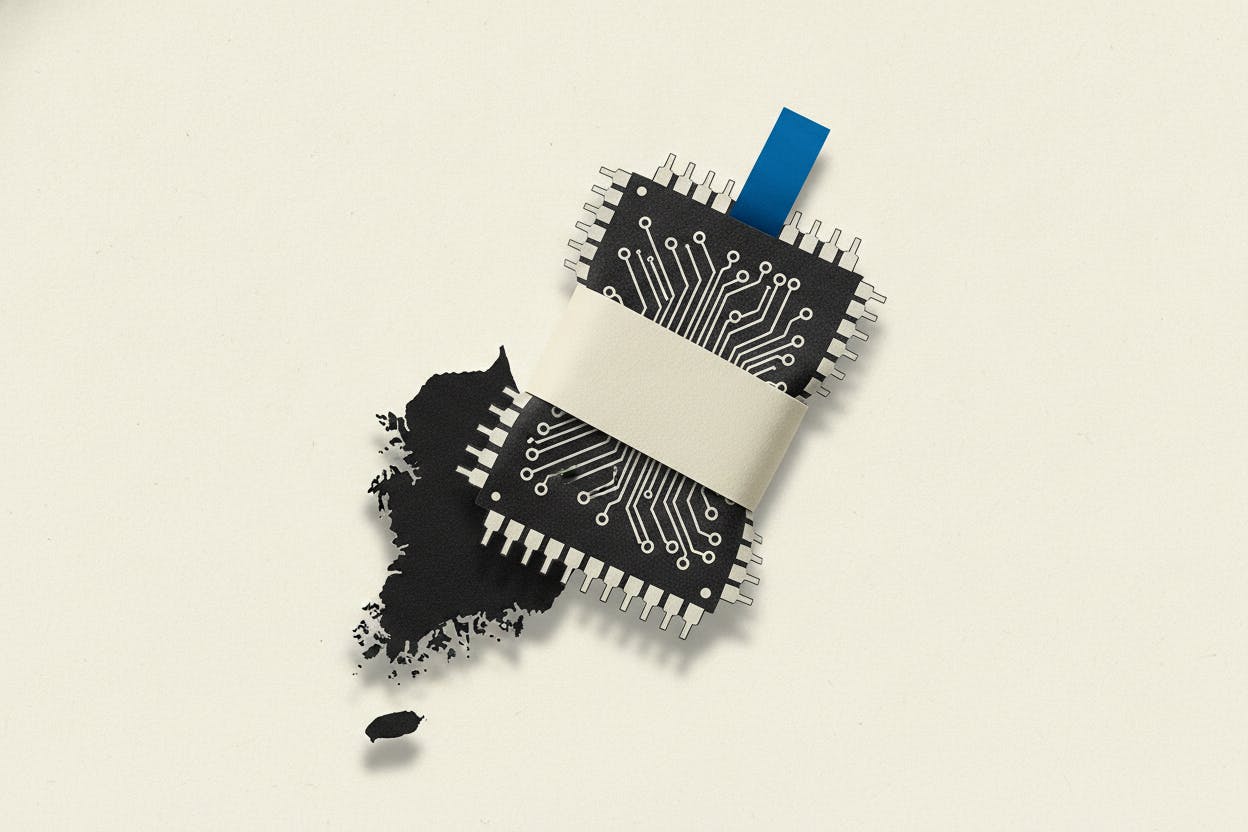
SK Hynix, the South Korean memory-chip giant, is seeing massive demand for its $28 billion American depositary receipt (ADR) offering on the Nasdaq, with orders reportedly covering the deal multiple times ahead of its planned July 10 debut. The order book is set to close Wednesday, and early indications include very large U.S. orders from institutional investors, signaling that appetite for AI-related chip exposure remains robust even as broader tech markets show signs of unease.
What Are ADRs and Why Does This Matter?
American depositary receipts are a way for U.S. investors to buy shares in foreign companies without dealing with cross-border complexities. Each ADR represents a specific number of the company's home-market shares—in this case, ten ADRs equal one common share of SK Hynix. This structure makes it easier for everyday investors to gain exposure to a global leader in memory chips, which are critical components in everything from smartphones to data centers powering artificial intelligence.
SK Hynix is selling 17.79 million new shares through this ADR offering, which Reuters has described as one of the largest equity offerings ever. The deal is a significant move for the company, which has been a key beneficiary of the AI boom due to its high-bandwidth memory (HBM) chips used in Nvidia's AI accelerators.
Strong Demand Despite Tech Jitters
The oversubscription comes at a time when the tech sector has faced some volatility. For instance, recent headlines have highlighted chip stock declines after DeepSeek developed its own AI chip, and the Nasdaq dropped 2% while Treasury yields climbed. Yet SK Hynix's offering appears to have bucked the trend, with several investment firms flagging interest. This suggests that investors are still willing to bet on companies with direct ties to AI infrastructure, even when the broader tech mood wavers.
The deal also underscores the ongoing global race for AI dominance. Companies like Amazon have returned to the bond market for $25 billion to fund AI infrastructure, and SK Hynix's move is part of a broader trend where chipmakers raise capital to expand production capacity. The strong demand for this offering could be a positive signal for other tech companies planning similar listings.
What It Means for Investors
For everyday investors, the SK Hynix ADR offering provides a rare opportunity to buy into a major Asian chipmaker on a U.S. exchange. The oversubscription indicates that institutional investors see value in the company's AI exposure, which could support the stock price in the near term. However, investors should be aware that ADRs come with currency risk and may trade at a slight premium or discount to the underlying shares in Seoul.
The deal also highlights the growing importance of AI chips in the global economy. As more companies invest in AI, demand for memory chips from suppliers like SK Hynix is likely to remain strong. That said, the chip industry is cyclical, and any slowdown in AI spending could impact the company's performance.
Broader Market Context
The SK Hynix offering is part of a busy period for equity markets. Other notable deals include Momenta's Hong Kong IPO raising HK$5.89 billion for AI R&D, and EQT targeting $2.5 billion for a new mid-cap Asia buyout fund. Meanwhile, the U.S. trade deficit widened 42% in May to $77.59 billion, raising growth concerns, and Bitcoin held $63,000 as the Nasdaq dropped. These mixed signals suggest that while AI-related stocks remain in favor, broader economic headwinds could create volatility.
Investors should also keep an eye on the upcoming July 10 debut. If the strong demand continues, SK Hynix's ADRs could see a pop on the first day of trading, similar to other high-profile tech listings. However, as with any new listing, there is no guarantee of immediate gains, and long-term performance will depend on the company's ability to execute its growth strategy.
In summary, SK Hynix's $28 billion Nasdaq ADR sale is a landmark event that underscores the enduring appeal of AI chip stocks. For investors, it offers a chance to participate in the AI boom through a well-established player, but it's important to weigh the risks and do your own research before diving in.