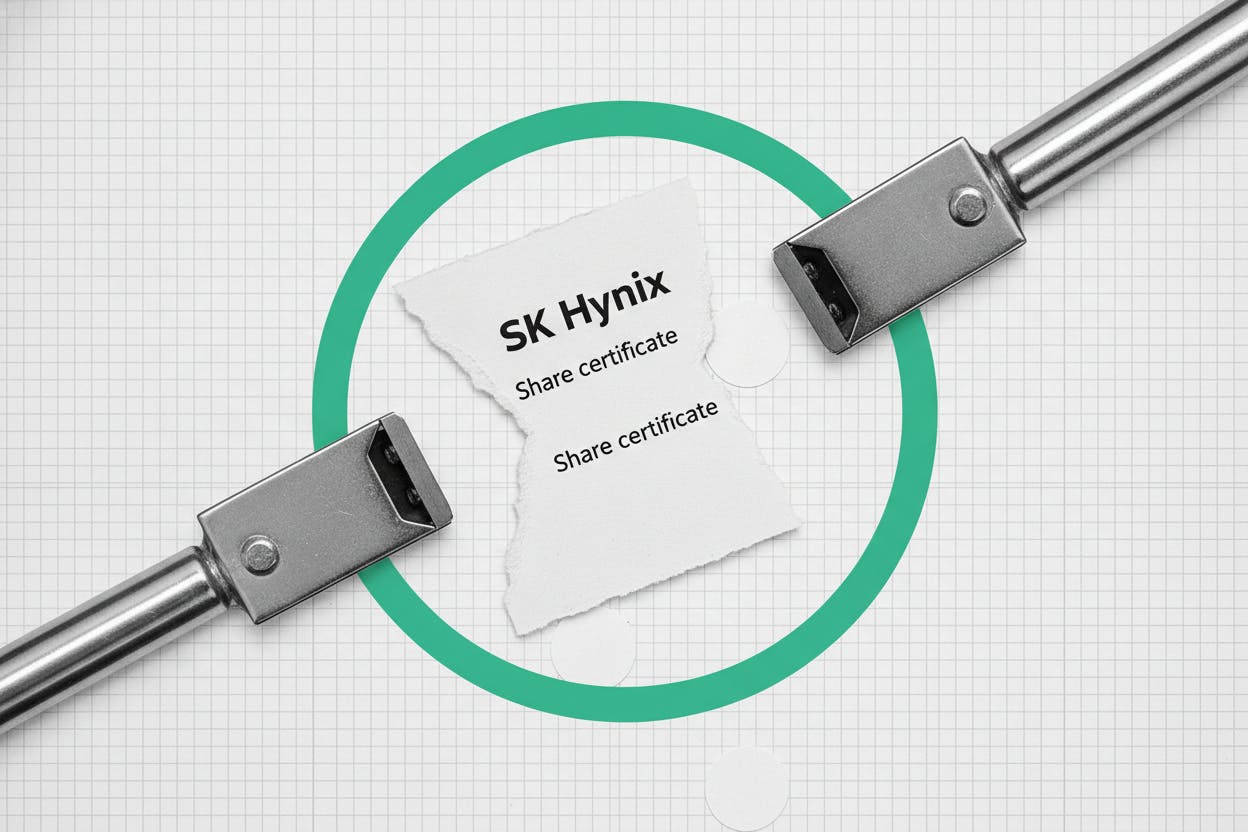
SK Hynix, one of the world's leading memory chipmakers, has announced a massive shareholder return program. The company will buy back and cancel 40 trillion won (about $28.61 billion) of its own shares, and it plans to return more than half of its free cash flow generated between 2025 and 2027 to shareholders. The announcement comes ahead of the company's third-quarter earnings report, where more details are expected.
Why the move now?
The decision is a direct response to growing investor pressure on South Korea's biggest chipmakers to clarify how they will share the profits from the artificial intelligence (AI) memory boom. According to Reuters, calls for larger payouts intensified after SK Hynix and rival Samsung Electronics hit record highs in June. Since then, their shares have pulled back as investors debate how long the surge in AI spending can continue.
SK Hynix has been a major beneficiary of the AI boom, as its high-bandwidth memory (HBM) chips are used in advanced AI processors from companies like Nvidia. The demand for these chips has driven record profits, but investors have been wary that the companies might hoard cash rather than return it. This buyback signals a shift toward rewarding shareholders directly.
What does a buyback and cancellation mean?
A share buyback is when a company uses its own cash to purchase its shares from the open market. By canceling those shares, the company reduces the total number of shares outstanding. This increases the ownership stake of remaining shareholders and typically boosts earnings per share, making each share more valuable. It's a common way for companies to return excess cash to investors, alongside dividends.
In this case, SK Hynix is committing to return over 50% of its free cash flow—the cash left after capital expenditures—to shareholders over the next three years. That's a significant pledge, especially for a capital-intensive industry like semiconductors, where companies often need to reinvest heavily in new factories and equipment.
Context: The AI memory boom and investor skepticism
The semiconductor industry has been on a rollercoaster. After a downturn in 2023, demand for AI chips has skyrocketed, driving memory prices up and filling order books. SK Hynix and Samsung have seen their stocks surge, but the rally has stalled recently. Investors are asking a key question: How long will AI-related spending last? If the boom fades, chipmakers could be left with excess capacity and falling prices.
By announcing this buyback, SK Hynix is trying to reassure investors that it will share the windfall while it lasts, rather than plowing everything back into expansion. It's a strategic move to maintain investor confidence and support the stock price.
What it means for investors
For everyday investors, this news is a positive signal. A large buyback and cancellation program can support the share price and improve returns. It also shows that the company's management is confident in its cash generation and is willing to return value to shareholders.
However, it's important to keep perspective. The buyback is planned over several years, and the actual amount returned will depend on future cash flows, which are tied to the volatile memory chip market. If AI demand slows, the company might not generate as much free cash flow as expected, and the buyback could be smaller than the headline number.
Investors should also watch for the details in the third-quarter results, which will provide more specifics on the buyback schedule and the company's outlook. The broader tech sector has been sensitive to AI-related news, and this announcement could influence sentiment toward other chipmakers and AI suppliers.
Broader market implications
SK Hynix's move could put pressure on Samsung Electronics to follow suit. If Samsung doesn't announce a similar program, investors might shift their preference toward SK Hynix. This could also affect the South Korean stock market, where these two companies have a heavy weighting.
For those invested in tech or semiconductor funds, this is a development worth noting. It reflects a broader trend of companies returning cash to shareholders after periods of heavy investment. As the AI boom matures, more companies may adopt similar strategies.
In summary, SK Hynix's $29 billion buyback is a bold statement of confidence and a response to investor demands. It underscores the profitability of the AI memory market and the company's commitment to sharing its success. While the future is uncertain, this move is a clear win for shareholders.