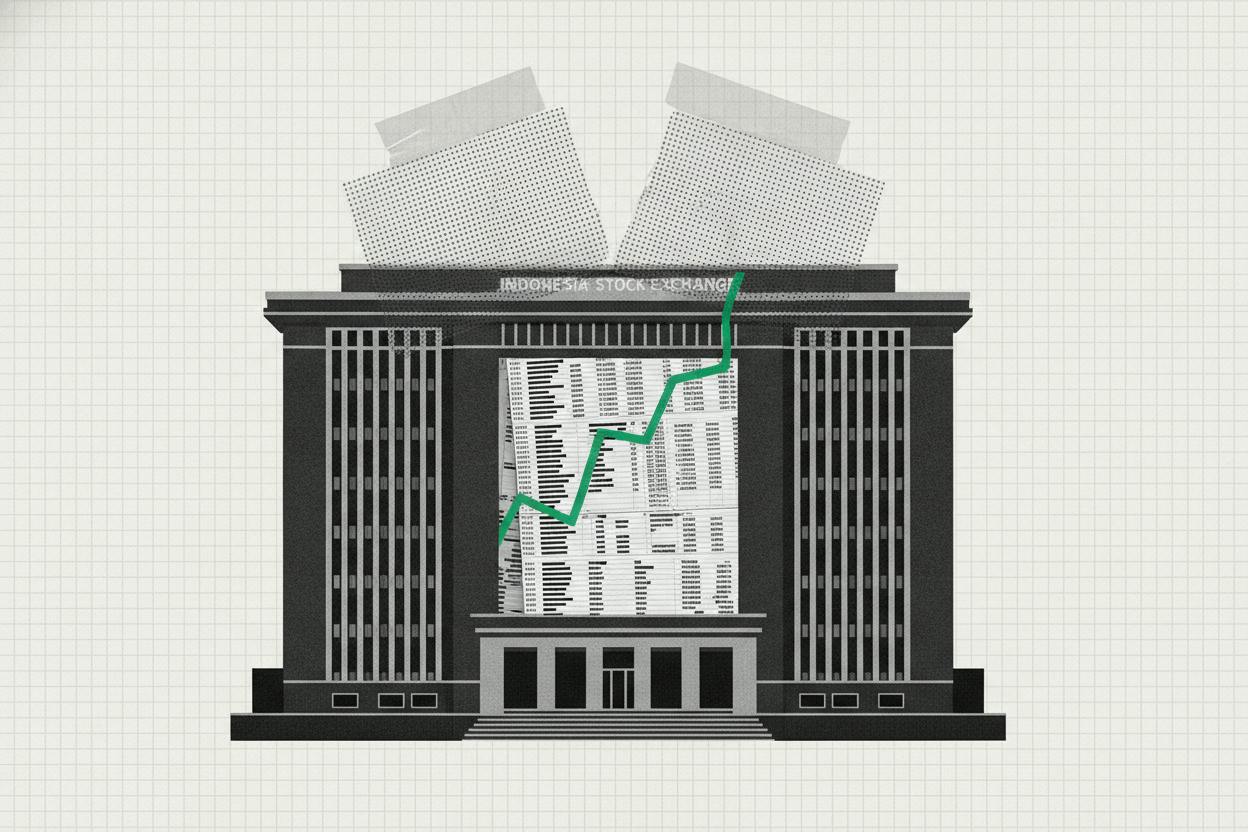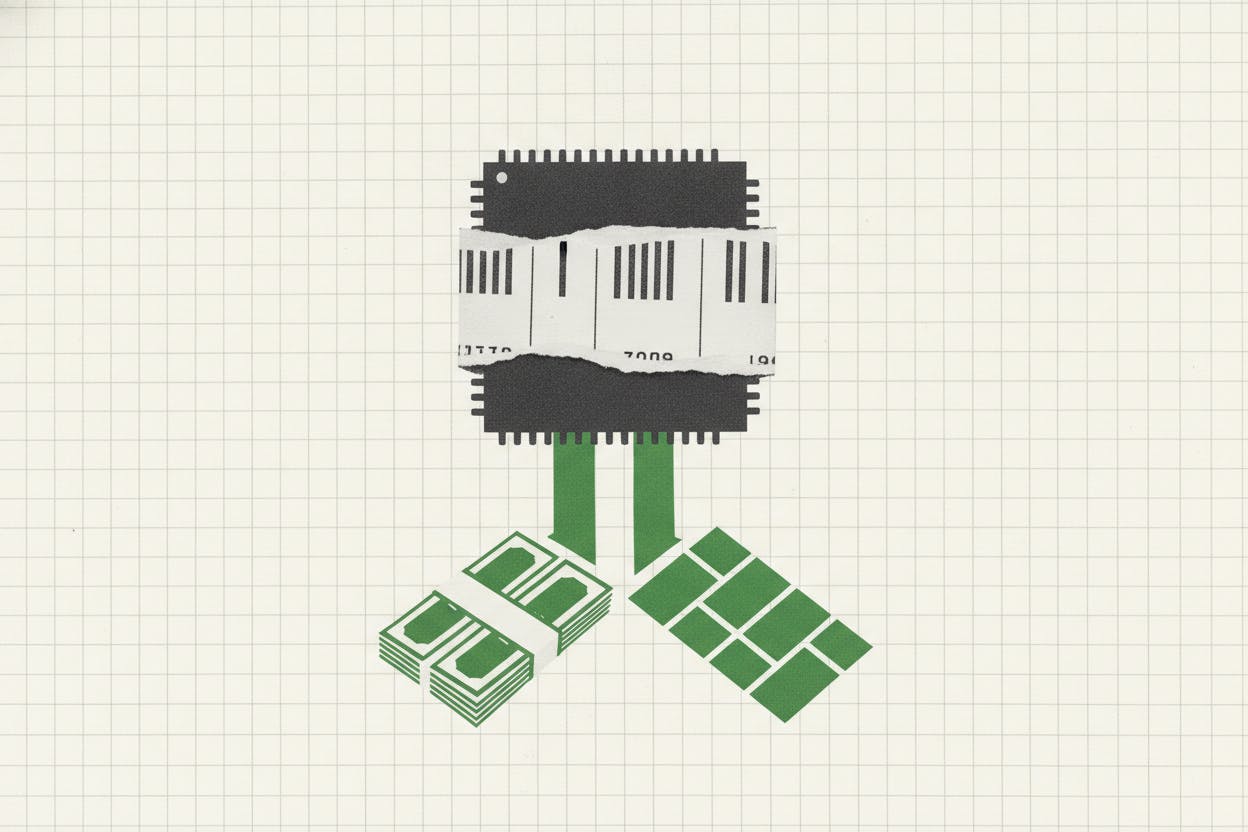
Workers at South Korea's SK Hynix, one of the world's leading memory chipmakers, have formed a new union that says it already has nearly 2,500 members. The move comes just as annual wage negotiations heat up, with the central dispute being whether the company's record AI-driven profits should be shared as cash bonuses or in the form of stock, according to Reuters.
The new union adds to an already active labor landscape at the company, which has seen previous organizing efforts. SK Hynix has been a major beneficiary of the artificial intelligence boom, as its high-bandwidth memory (HBM) chips are a key component in AI servers. The company's profits have surged, and management is reportedly keen to tie a larger share of bonus compensation to stock, a practice that can help retain talent and align worker interests with long-term shareholder value.
Why the bonus structure matters
For everyday investors, the dispute is more than a labor story—it's a window into how one of the world's most important chipmakers is managing its windfall. SK Hynix's success is directly tied to the AI trade, and how it distributes profits to its workforce can affect everything from employee morale to cash flow.
Stock-based bonuses are common in tech and semiconductor industries, especially in the United States, but they are less typical in South Korea, where cash bonuses have been the norm. Workers often prefer cash because it is immediate and predictable, while stock can be volatile and subject to vesting schedules. The company, on the other hand, may see stock as a way to conserve cash for future investments—crucial in a capital-intensive industry where building new fabrication plants costs billions.
The new union's formation suggests that a significant number of employees are unhappy with the direction of the talks. Nearly 2,500 members is a meaningful chunk of SK Hynix's workforce, which numbers in the tens of thousands. The union's leverage will depend on how many workers it can mobilize and whether it can coordinate with existing labor groups.
Broader labor context in South Korea
SK Hynix is not alone in facing labor unrest. South Korea has seen a wave of union activity in recent years, particularly in the tech and manufacturing sectors. For example, Hyundai Motor recently faced a four-day partial strike as its union pushed for higher pay, a sign that workers across industries are seeking a larger share of record corporate profits.
The semiconductor sector is especially sensitive to labor disruptions because any production halt can ripple through global supply chains. SK Hynix is a key supplier to major tech companies, and any prolonged strike could affect the availability of memory chips, potentially pushing prices higher. However, the new union is just forming, and it is too early to say whether it will escalate to a strike.
What it means for investors
For investors in SK Hynix or in the broader AI chip trade, the key takeaway is that labor costs are rising, but the company's fundamentals remain strong. The dispute is a reminder that even the most profitable companies face pressure to share the wealth with employees, especially when profits are soaring.
If SK Hynix ends up paying more in cash bonuses, it could slightly reduce its cash reserves, but the impact is likely to be modest given the scale of its profits. On the other hand, if the company successfully shifts more compensation to stock, it could dilute existing shareholders over time, though this is a common practice and usually not a major concern.
Investors should also watch how the situation develops. A prolonged labor dispute could lead to production delays, which would be negative for the company and its customers. But historically, such disputes in South Korea have often been resolved through negotiation, and the impact on production has been limited.
The broader context is that South Korean chip stocks have been volatile as AI demand signals fluctuate. SK Hynix's stock has been a major beneficiary of the AI rally, and any labor-related headlines could add to that volatility.
Looking ahead
The new union's formation is a clear signal that wage talks are not going smoothly. Both sides will likely continue negotiations, and the outcome could set a precedent for other South Korean tech companies. For now, the company's record profits give it room to be generous, but the form of that generosity—cash or stock—remains the sticking point.
For ordinary investors, the story is a reminder that even the hottest AI trade has human elements. Labor disputes are a normal part of corporate life, and they rarely derail a company's long-term trajectory. But they are worth monitoring, especially in a sector as critical as semiconductors.
As the talks progress, investors will be watching for any signs of escalation, such as strike votes or walkouts. The new union's size suggests it could have real bargaining power, but it is still early days. The next few weeks will be crucial in determining whether this becomes a minor blip or a major disruption.