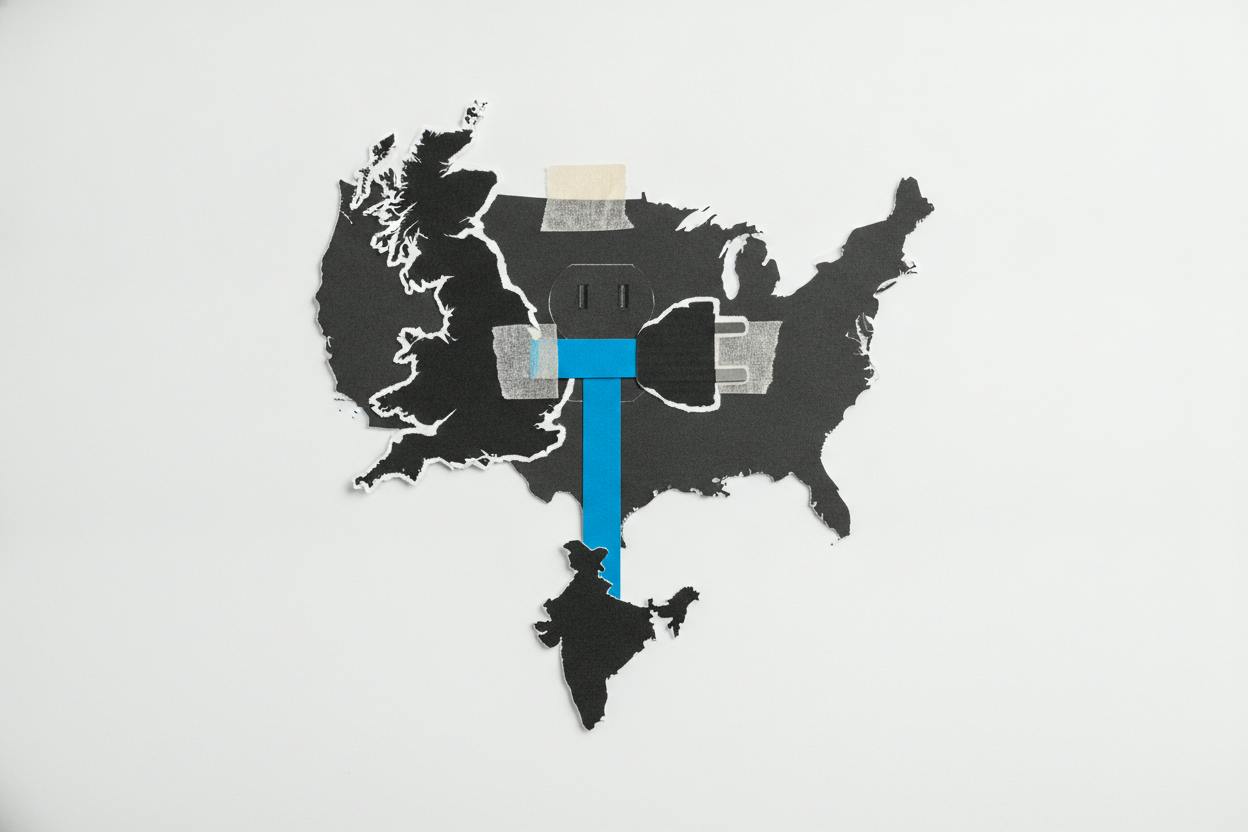
Softcat, a UK-based IT reseller and services provider, has agreed to acquire GDT, a US IT services company. The deal is being hailed by analysts as a practical route into the American market, which is the world's largest for technology spending. Berenberg, a European investment bank, has responded by raising its price target for Softcat's shares to £24 from £19.50.
Why the deal matters
Softcat has historically been strongest in its home market, the UK. Its growth has been steady, but its international footprint has been limited. The acquisition of GDT changes that picture. According to Berenberg, GDT brings more than just a new customer base. It adds deeper infrastructure and networking expertise, stronger relationships with major technology vendors, and direct access to US clients.
For everyday investors, the key takeaway is that this is not just about adding revenue. It's about adding capability. Softcat is buying the ability to serve larger, more complex IT needs—particularly in areas like data centers, cloud infrastructure, and networking—which are growing faster than traditional IT reselling.
What GDT brings to the table
GDT is a US-based IT services provider that specializes in helping enterprises design, deploy, and manage their technology infrastructure. It has deep relationships with big tech vendors, which means Softcat can now offer its UK clients access to a broader range of products and services, and potentially at better terms.
The deal also includes a 24-7 delivery team in India, which is a significant operational asset. This round-the-clock support capability is something many global IT services firms rely on to serve clients across different time zones. For Softcat, this could improve service levels and reduce costs over time.
Berenberg's note highlights that the acquisition gives Softcat a "practical route" into the US market. That's an important distinction. Entering the US from scratch is notoriously difficult for European tech firms, given the scale of competition and the differences in how business is done. Buying an established player like GDT sidesteps many of those hurdles.
What it means for investors
For Softcat shareholders, the deal is a potential growth catalyst. The company has been seen as a reliable, well-managed business, but its growth prospects were largely tied to the UK economy. Now, it has a foothold in the US, which could open up new revenue streams and diversify its earnings.
Berenberg's price target hike—from £19.50 to £24—reflects this optimism. The bank believes the acquisition will not only boost Softcat's earnings but also reduce its risk profile by reducing reliance on a single market.
However, investors should also consider the risks. Acquisitions always carry execution risk. Integrating a US company into a UK-based group can be challenging, especially when it comes to corporate culture, systems, and client relationships. There's also the question of price—Softcat is paying a premium for GDT, and if the expected synergies don't materialize, the deal could weigh on returns.
The broader context
This deal comes at a time when IT services companies are under pressure to offer more than just hardware and software reselling. The shift to cloud computing and managed services has forced traditional resellers to evolve. Companies like Bechtle, a German IT services firm, have been navigating similar challenges, and Berenberg has also been positive on its margin roadmap.
Softcat's move into the US also mirrors a broader trend of UK and European tech firms looking across the Atlantic for growth. The US market is not only larger but also more willing to spend on advanced IT infrastructure. For Softcat, the GDT deal could be the first step in a longer-term international expansion.
What to watch next
Investors will be watching how quickly Softcat can integrate GDT and start winning US contracts. The company will likely provide more details on the deal's expected financial impact when it reports its next set of results. Berenberg's new price target suggests the bank sees significant upside, but the market will want to see evidence that the acquisition is delivering on its promise.
For now, the deal looks like a sensible strategic move. It gives Softcat a credible entry point into the world's biggest tech market, adds valuable technical expertise, and brings a 24-7 delivery capability that could improve service levels. Whether it pays off will depend on execution, but the direction is clear: Softcat is no longer just a UK IT reseller—it's aiming to be a global player.