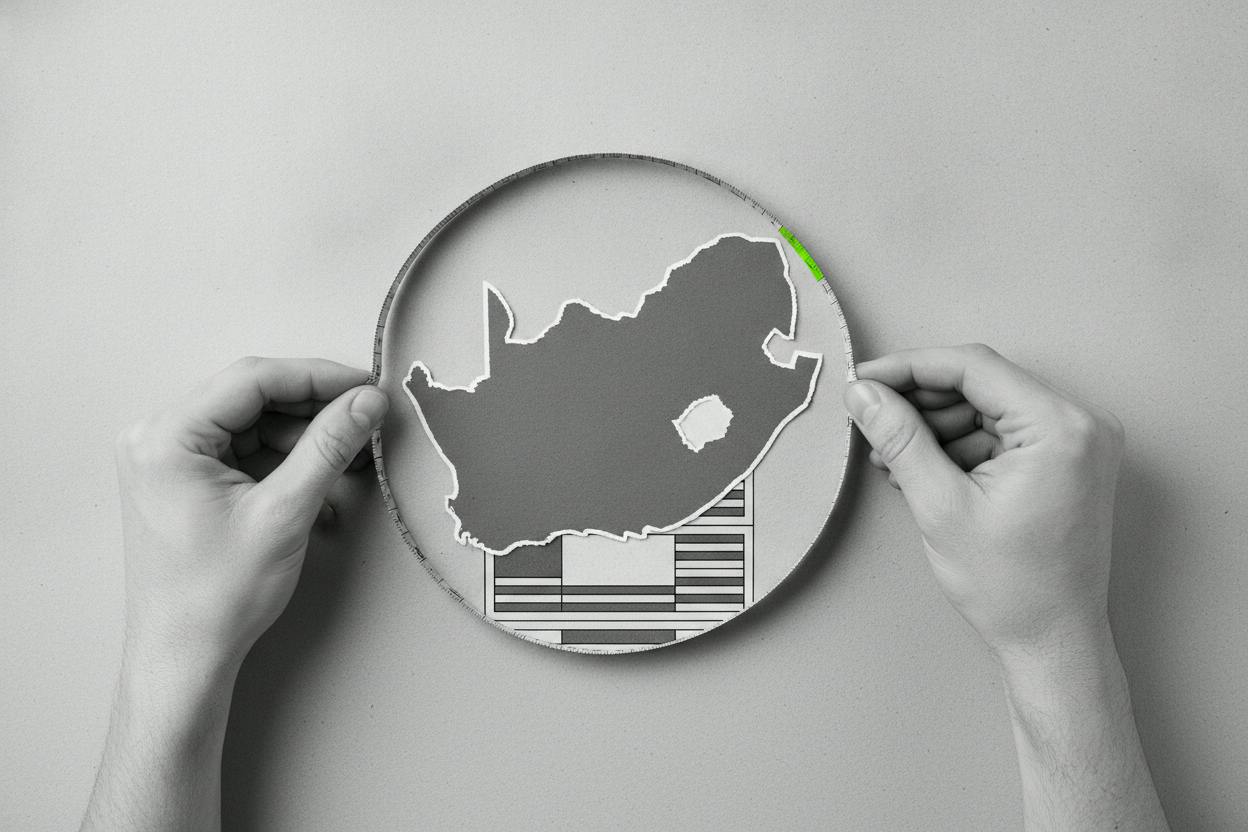
South Africa's economy just got a statistical boost. Statistics South Africa (Stats SA) has completed a rebasing exercise that shifts the base year for measuring gross domestic product (GDP) from 2015 to 2022, and the result is a noticeably larger economy on paper. The agency now estimates that the country's nominal GDP for 2023 was 8.04 trillion rand, up from the previous figure of 7.64 trillion rand — an increase of roughly 5%.
This isn't new money or new factories; it's a change in how the economy is measured. Rebasing is a routine statistical refresh that updates the weights, methods, and data sources used to calculate GDP. Over time, economies evolve, and the basket of goods and services that mattered in 2015 may not reflect what's happening today. By moving the base year to 2022, Stats SA aims to capture those shifts more accurately.
What changed in the numbers?
The rebasing exercise also pulled in more "non-observed" economic activity — the kind that's easy to undercount. This includes things like self-generated electricity (think households and businesses with solar panels), e-hailing services, and parts of informal and illegal mining and manufacturing. These activities were previously missed or underestimated, and their inclusion adds to the overall output figure.
Stats SA reported that output rose across all ten sectors it tracks, reflecting the broader coverage and updated methodology rather than any sudden surge in production. The revision is a statistical adjustment, not a sign that the economy suddenly grew faster.
Why does a bigger GDP matter?
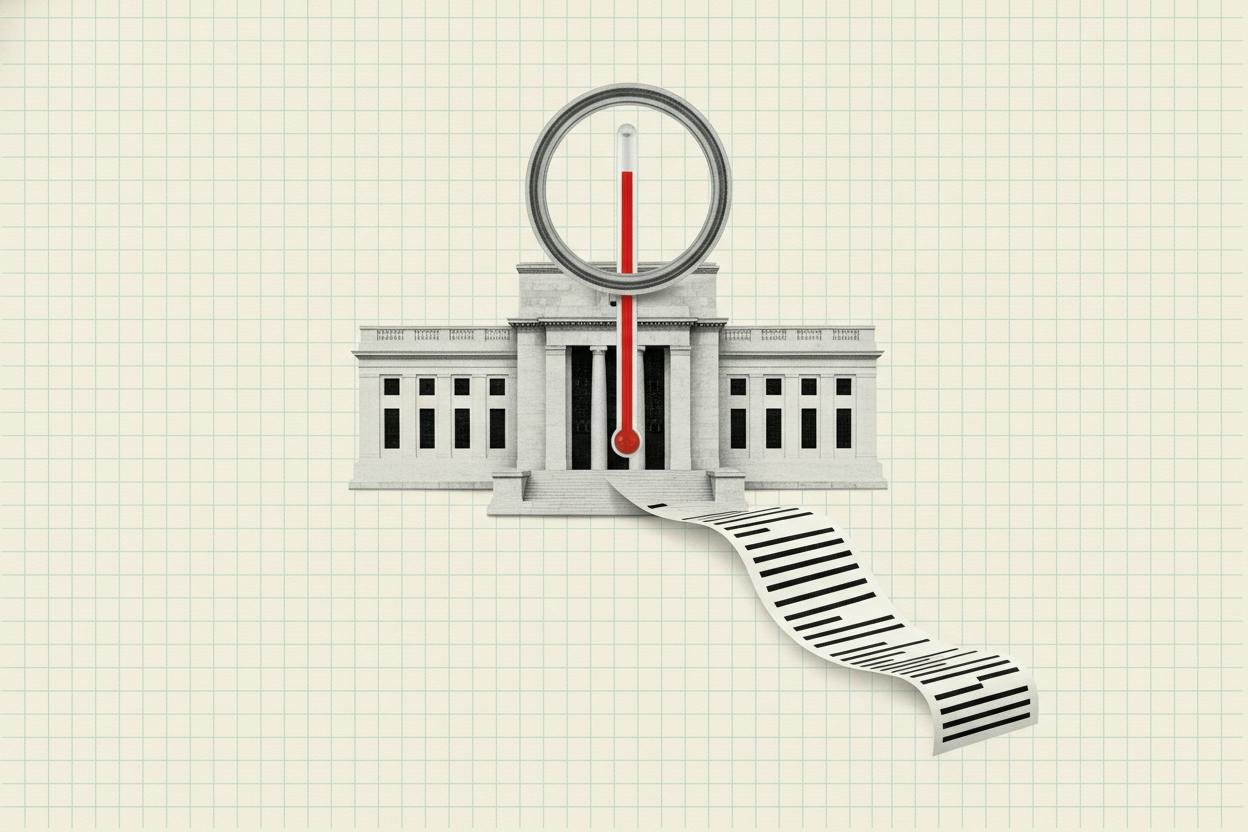
For investors, the most important knock-on effect is on fiscal ratios — particularly the debt-to-GDP ratio, which compares what the government owes to the size of the economy that supports tax revenue. When GDP is revised upward, that ratio automatically drops, even if the rand value of government debt and its interest bill remain unchanged.
As Johann Els, chief economist at South African wealth manager PSG, pointed out, this can make the country's debt metrics look healthier and, at the margin, ease pressure on policymakers who are trying to hit ratio-based fiscal goals. In other words, the same amount of debt now looks smaller relative to a bigger economy.
That matters because investors watch debt-to-GDP closely when assessing "fiscal risk." A lower ratio can influence the extra yield they demand to hold South African government bonds. If the ratio looks better, bond yields might come under less upward pressure, which is a subtle but real positive for the country's borrowing costs.
What it means for investors
But markets don't stop at the headline ratio. They care about whether the Treasury can reliably service its debt, which depends on tax collection, spending discipline, and interest costs. A statistical rebase may improve optics, but it doesn't change the underlying cash flows. Lasting bond pricing support typically requires better budgets and steadier growth — not just cleaner-looking statistics.
For everyday investors, the key takeaway is that this revision is a reminder of how much of the financial world runs on measurements and benchmarks. A change in the yardstick can shift perceptions, but it doesn't alter the reality of the government's finances or the economy's health. The rand's value, for instance, is still driven by factors like commodity prices and global risk appetite, as seen in recent moves in the currency.
Investors should also keep an eye on how this revision interacts with other economic data. For example, African markets are juggling a mix of oil prices, earnings reports, and central bank decisions, all of which can influence sentiment toward South African assets. The rebase is one more piece of that puzzle, but it's unlikely to be a game-changer on its own.
In the end, South Africa's economy didn't suddenly get richer. It got better measured. That's useful for statisticians and policymakers, and it may slightly improve how the country's finances look to the outside world. But for investors, the fundamentals — growth, tax revenue, spending discipline — remain the real story.