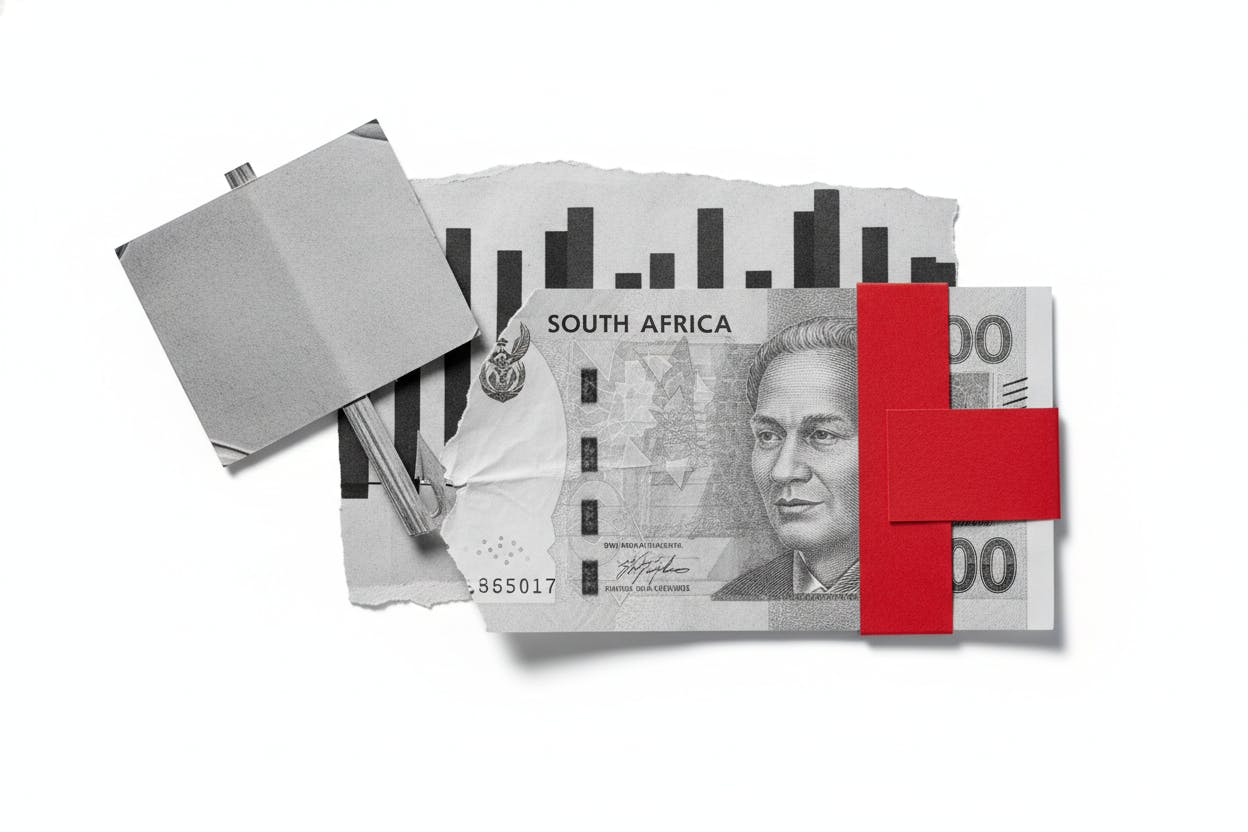
South Africa's currency edged higher on Monday, strengthening to 16.42 against the US dollar, as traders weighed month-end economic data against a backdrop of political uncertainty. The modest gain comes ahead of planned anti-immigration protests scheduled for Tuesday, which have kept investors cautious.
What's Driving the Rand?
The rand's move to 16.42 per dollar reflects a mix of technical factors and sentiment. Month-end data releases often trigger repositioning by traders, as portfolio managers adjust their holdings and companies convert foreign currency for local payments. This can create short-term volatility in emerging-market currencies like the rand.
However, the broader tone remains set by politics. South Africa's currency is highly sensitive to domestic political developments, and the upcoming anti-immigration protests add a layer of uncertainty. Such events can disrupt economic activity, deter foreign investment, and weigh on investor confidence—factors that typically put pressure on the rand.
The rand has been under pressure in recent months, as global interest rate expectations and local political dynamics have created headwinds. The currency's performance is closely watched by investors with exposure to South African assets, including bonds and equities.
Context for Investors
For everyday investors, the rand's movements matter because they affect the value of South African investments when measured in foreign currencies. A weaker rand can boost the returns of exporters like miners, but it also raises the cost of imports, fueling inflation. The South African Reserve Bank closely monitors the currency when setting interest rates.
The current level of 16.42 per dollar is within the range seen over the past year, but it remains well above the stronger levels of around 14-15 per dollar seen in early 2023. The currency's trajectory will depend on both domestic factors—such as political stability and economic reforms—and global forces, including US interest rate policy and commodity prices.
South Africa's markets have faced a series of tests recently, as highlighted in our earlier coverage of South African Markets Face Triple Test: Rand, Naspers, and T-Bill Auction. The rand's performance is just one piece of a larger puzzle that includes bond auctions and the performance of major companies like Naspers.
What to Watch Next
Investors will be watching Tuesday's protests closely for any signs of escalation or disruption. The government's response and any impact on economic activity will be key. Beyond that, attention will turn to upcoming economic data, including inflation figures and trade balances, which can influence the rand's direction.
Globally, the US dollar's strength remains a key factor. As noted in our article on Aussie and Kiwi Dollars Slide as US Rate Hike Bets Strengthen Greenback, a strong dollar tends to weigh on emerging-market currencies. Any shift in Federal Reserve policy expectations could have ripple effects for the rand.
For now, the rand's modest uptick offers some relief, but the political calendar suggests more volatility ahead. Investors should brace for swings and keep an eye on both domestic headlines and global market trends.