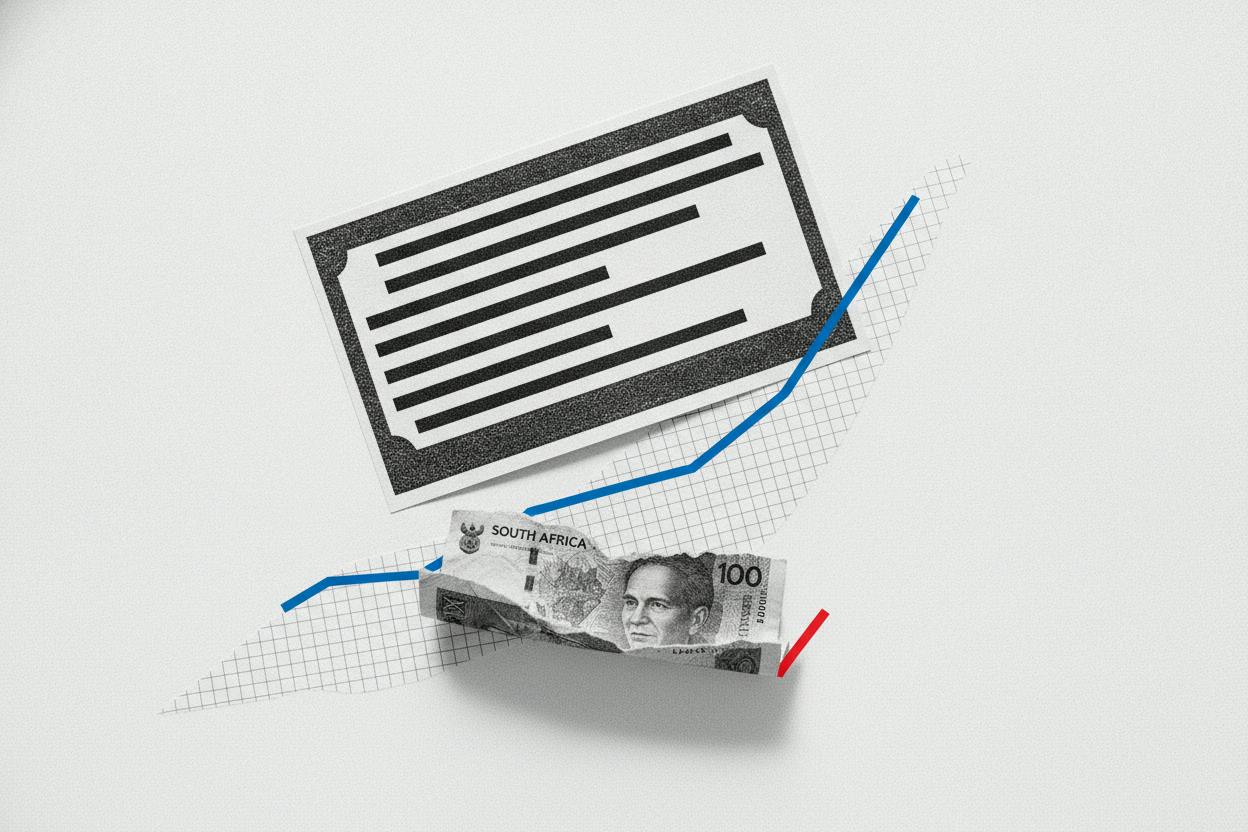
South Africa's rand was on track for a fourth consecutive weekly loss on Friday, as rising US Treasury yields and a firmer dollar made global investors less willing to hold riskier emerging-market currencies. The rand traded up 0.2% on the day at 16.6675 per US dollar, but remained almost 2% weaker for the week, according to Reuters.
The move is a reminder that for many developing economies, the biggest driver of the currency is not what happens at home but what happens in Washington. When US government bond yields climb, US assets offer higher returns with less perceived risk, and global money tends to flow back toward them — often at the expense of markets like South Africa.
Why US yields matter so much to the rand
Treasury yields are the return investors earn on US government debt, widely considered one of the safest assets in the world. When those yields rise, the gap between what an investor can earn in the US and what they can earn in a country like South Africa narrows — or in some cases flips in the US's favour. That reduces the incentive to take on the extra risk of holding an emerging-market currency.
The dynamic is often described as a tug-of-war between local and global forces. A country can print encouraging economic data and still see its currency weaken if the global backdrop is unfavourable. That appears to be what happened this week: Thursday's roughly 1.5% drop in the rand came despite South Africa reporting softer-than-expected producer inflation, a reading that would normally be supportive for the currency because it suggests less pressure on the central bank to raise interest rates aggressively.
Instead, the global pull proved stronger. A firmer dollar — the currency in which most global trade and commodity deals are priced — adds to the pressure, since a stronger greenback typically means weaker emerging-market currencies.
What investors were watching
Traders were waiting for the US payrolls report later on Friday, one of the most closely watched pieces of economic data in global markets. The report, which measures how many jobs US employers added in the month, shapes expectations for where US interest rates are headed. A strong reading can push yields higher, reinforcing the dollar's appeal; a weak one can do the opposite.
That is why the payrolls number matters far beyond America's borders. It feeds directly into the calculus that global fund managers use when deciding where to park money, and currencies like the rand are often the first to feel the shift. Similar pressure has been visible across Asia, where Hong Kong stocks slid as US yields hit multi-decade highs and New Zealand shares fell on rising bond yields.
South Africa's situation is also shaped by its own mix of challenges, including sluggish growth, persistent unemployment and a heavy reliance on commodity exports. Those factors make the rand particularly sensitive to swings in global risk appetite — it tends to strengthen when investors are optimistic and weaken sharply when they retreat to safer ground.
What it means for investors
For everyday investors, the rand's slide is a useful illustration of how interconnected global markets have become. A retiree in London or a fund manager in New York may never directly buy a South African asset, yet their decisions about US bonds can move the rand within days.
There are a few practical takeaways:
- Emerging-market exposure carries currency risk. If you hold an emerging-market fund or bond, part of your return depends on the currency, not just the underlying assets. A weakening rand can erode gains for a dollar-based investor even if local stocks or bonds rise.
- US yields are a global lever. When Treasury yields rise, it often pressures riskier assets everywhere. That can show up in your portfolio through international funds, commodities and even some US multinationals with big overseas earnings.
- Watch the data calendar. Events like the US payrolls report can trigger sharp moves in currencies and bonds. Knowing when they land helps explain why markets behave the way they do.
It is also worth remembering that currency moves cut both ways. A weaker rand makes South African exports cheaper abroad, which can help local producers, while making imports more expensive and adding to inflation at home. That inflation pressure, in turn, can influence the South African Reserve Bank's decisions on interest rates — another factor investors will be watching in the weeks ahead.
For now, the rand's direction looks less dependent on domestic headlines than on the path of US yields and the dollar. Until that global pressure eases, emerging-market currencies are likely to remain on the back foot. Investors with exposure to these markets should expect volatility to continue, and keep an eye on the same US data that moves the world's biggest bond market.