Global stocks held their ground on Friday as a pullback in oil prices and a cooling of earlier bond-market jitters gave investors some breathing room. The calm, however, was tentative: markets were squarely focused on the upcoming US jobs report, which could reset expectations for the Federal Reserve's next policy moves.
Oil slips as supply worries ease
Energy markets provided the most immediate relief. West Texas Intermediate (WTI) crude fell 3.8% to $89.34 a barrel, while Brent crude dropped 2.5% to below $100. European diesel prices also cooled, with gasoil futures down about 5% to $1,382.75 a metric ton. Traders shifted their attention to recovering Middle East supply and an EU discussion about releasing more diesel stockpiles, easing fears of a near-term shortage.
For everyday investors, lower oil prices can translate into cheaper fuel and heating costs, which in turn can help cool inflation. That is one reason why falling crude often supports stock markets: it reduces pressure on consumers and businesses alike.
Bond stress: a warning light for the euro
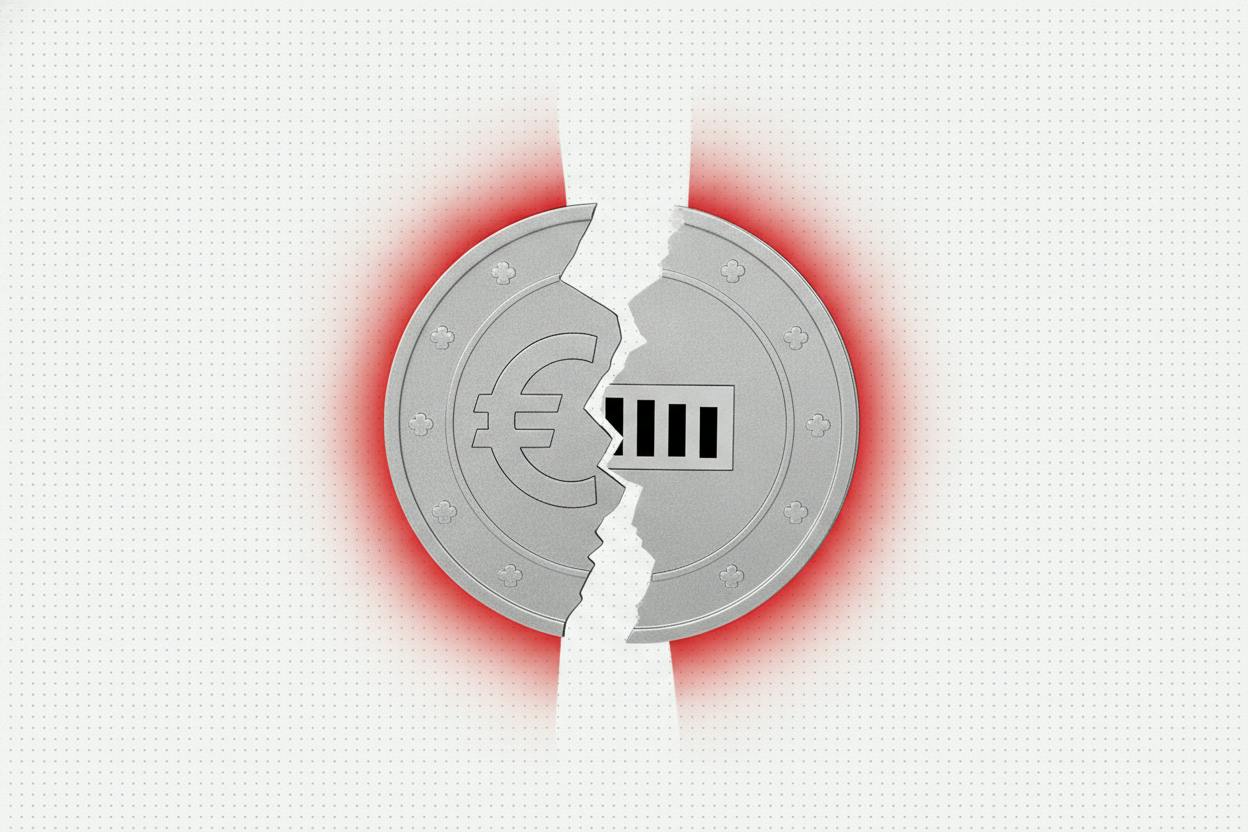
In Europe's bond market, investors continued to show a clear preference for safety. German government bonds, known as bunds, rallied, pushing the 10-year yield down 10 basis points. But French and Italian debt lagged, as buyers demanded higher compensation for fiscal risk. That pushed the France-Germany 10-year yield gap above 150 basis points—the widest since the eurozone debt crisis in 2011—even with France's 10-year yield near 4.939%.
This spread is a quick read on "fragmentation" risk: when investors treat euro-area countries less like a single bloc, they demand a higher extra yield to hold the bonds of weaker economies. A widening gap suggests growing concern about fiscal and political stability in parts of the eurozone.
Reuters noted that global bonds have already faced weeks of selling. George Lagarias of Forvis Mazars warned that if the stress lasts "for a couple more weeks," markets could start calling it a bond-market crisis. That would have broad implications for borrowing costs and asset prices worldwide.
What it means for investors
The combination of lower oil and easing bond stress is a positive for risk assets in the short term. But the US jobs report looms large. If wage growth comes in hot, it could push Treasury yields higher, strengthen the dollar, and dampen risk appetite. Conversely, a cooler report could give the Fed room to ease policy, which would likely support stocks and bonds.
The euro's weakness is another sign of the stress. The single currency sat around $1.1231 after sliding 0.8% Thursday to its lowest since May 2025. The Swiss franc, a traditional safe haven, strengthened against both the dollar and the euro. This pattern—buying the safest bonds and owning safer currencies—can keep pressure on the euro even if German bunds rally.
For ordinary investors, the key takeaway is that markets are still on edge. The calm on Friday could be short-lived if the jobs data surprises. Keeping an eye on bond yields and currency moves can offer clues about how much risk investors are willing to take.
As always, it's important to remember that market moves like these are normal. Diversification and a long-term perspective remain the best tools for navigating volatility.