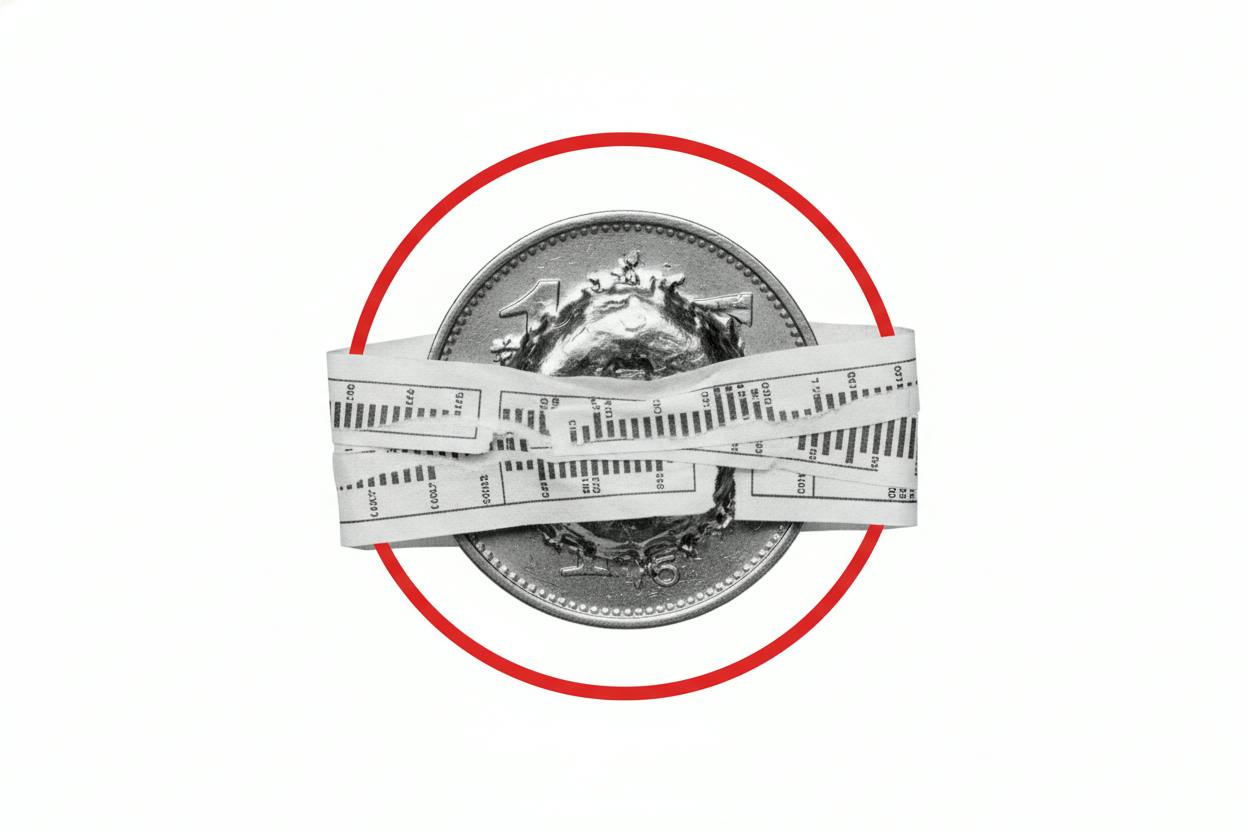
South Korean officials are moving to shore up confidence in the country's stock market after the benchmark KOSPI index tumbled to its lowest level in 10 months. The government said it will prepare a securities market stabilization fund for possible deployment and plans to temporarily ease limits on corporate stock buybacks, according to a statement from the Finance Ministry.
The announcement follows a sharp selloff that saw the KOSPI drop more than 5% in a single session last Friday, prompting an emergency meeting led by Finance Minister Lee Hyoung-il. The ministry said it would complete the groundwork needed to activate stabilization funds quickly if market conditions worsen, while also loosening daily caps on share repurchases by listed companies for a three-month period.
Why the market is jittery
The KOSPI's slide reflects a broader regional retreat from risk assets, driven by concerns over global interest rates, tech valuations, and a cooling AI trade. South Korea's market is particularly sensitive to these forces because of its heavy weighting in semiconductor and technology stocks, including giants like Samsung Electronics and SK Hynix.
But there's also a domestic factor at play: leveraged investing. When investors borrow money to buy stocks, a fast drop can trigger margin calls—demands to put up more collateral or sell positions—which can force selling and amplify the decline. That dynamic can turn a routine pullback into a rush for the exit, as falling prices force more selling, which pushes prices down further.
Officials said they will monitor leverage levels and respond more forcefully to illegal short-selling and other market-disrupting behavior. The move is part of a wider regional effort to steady sentiment; Taiwan has also tightened short-selling rules and said its own stabilization fund had already stepped in.
How the stabilization fund works
South Korea has a history of using market stabilization funds as a tool to calm investor panic. These funds are essentially pools of money—often contributed by state-run institutions, banks, and brokerages—that can be used to buy stocks or provide liquidity during times of stress. The mere announcement of such a fund can act as a confidence signal, reassuring investors that authorities are willing to step in if the selloff worsens.
In practice, the fund's existence is often as important as its actual deployment. By signaling a backstop, it can discourage aggressive short-selling or panic selling, because traders know that a wave of official buying could suddenly reverse a downward spiral.
What the buyback easing means
The temporary loosening of daily limits on share repurchases is a more targeted measure. Companies buy back their own stock for a variety of reasons—returning cash to shareholders, boosting earnings per share, or signaling that they believe their shares are undervalued. But when markets are falling, companies may be reluctant to buy aggressively if they fear catching a falling knife.
By easing the daily cap, regulators give companies more room to buy their own shares in larger quantities, which can provide a steadier source of demand during a selloff. Because buybacks are driven by capital management strategies rather than short-term market timing, this buying can be less sensitive to day-to-day price moves, helping to cushion the fall.
For investors, the combination of a ready-to-act stabilization fund and more flexible buyback rules creates a two-part "circuit breaker." It doesn't prevent losses, but it can make declines choppier and less prone to forced-selling cascades, particularly in the index's heavyweights like Samsung Electronics and SK Hynix.
What it means for investors
For everyday investors, the key takeaway is that South Korean authorities are signaling they won't let the market slide into a full-blown crisis without a fight. The measures are designed to reduce volatility and prevent panic, not to guarantee profits. Markets can still fall, and individual stocks can still lose value.
The buyback easing could be particularly relevant for holders of large-cap Korean stocks, as it may reduce the severity of sudden drops. However, investors should remember that buyback programs are not a sign that a stock is a bargain—they're a corporate finance tool.
Globally, the move is part of a pattern of governments stepping in to calm markets during periods of stress. Asian markets have been under pressure, and tech and AI stocks have been hit by rate fears. While these measures may provide short-term support, the underlying drivers—interest rates, inflation, and earnings—will ultimately determine the market's direction.
For now, South Korea's message is clear: it stands ready to act. Whether that's enough to halt the slide remains to be seen, but it's a signal that policymakers are watching closely and willing to intervene.