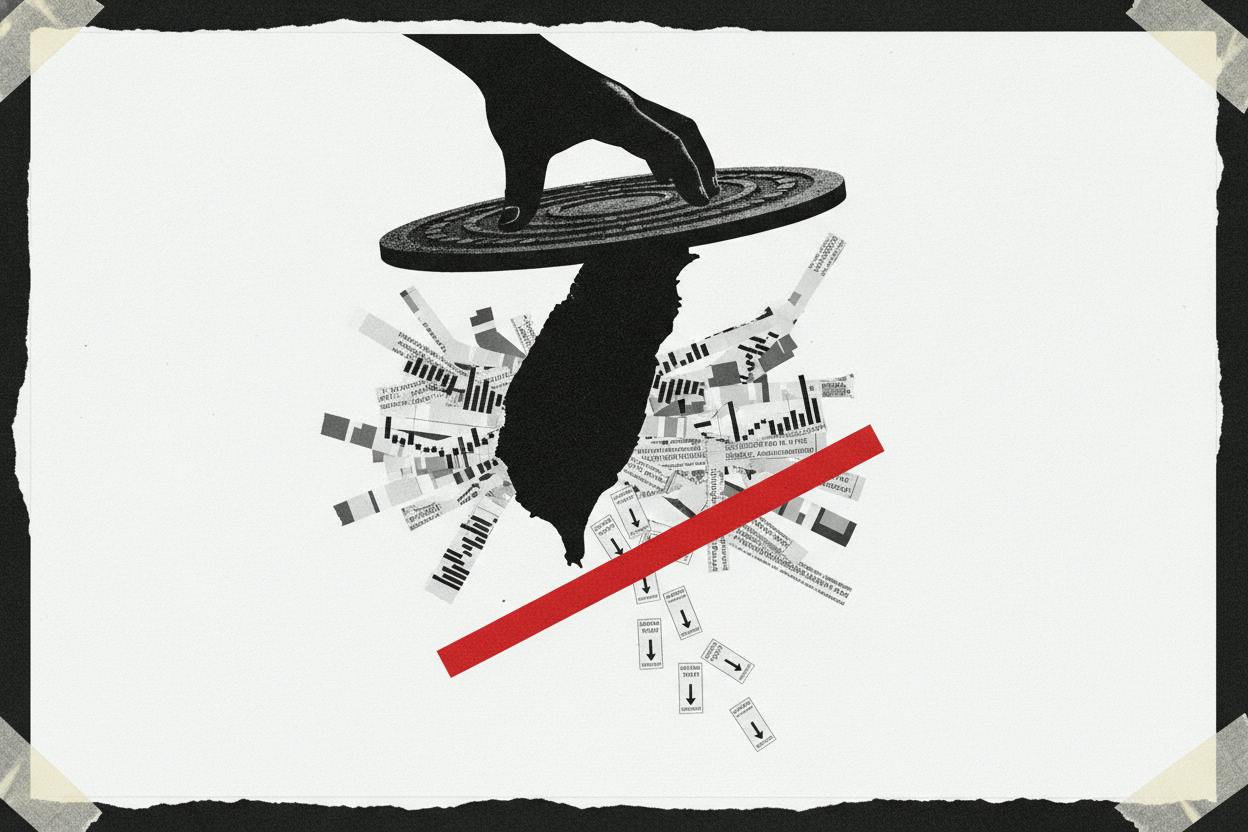
After Taiwan's stock market suffered its worst week in more than three decades—capped by a drop of more than 6% on Friday—regulators are moving to curb short selling in an effort to steady the market. The measures, announced by the Financial Supervisory Commission (FSC), take effect Monday and target the mechanics of how traders bet against stocks.
What regulators are doing
The centerpiece of the new rules is a ban on short sales executed at prices below the prior day's closing price. In plain terms, this means traders can no longer initiate a short position—a bet that a stock will fall—by selling at a price lower than the last close. This acts as a speed bump on down days, limiting how much fresh shorting can add to a slide.
Beyond that, the FSC is asking brokers and other lenders to pause share lending and to recall already-lent stock or let those loans expire. Share lending is how short sellers borrow shares to sell, so shrinking the supply of available shares makes it harder and more expensive to establish new short positions. For traders already short, the reduced availability can force them to buy shares back to close their positions, which can create sudden rebounds even if the broader mood stays cautious.
Separately, Taiwan's Finance Ministry said its stock stabilization fund is already buying. The fund, a government-backed vehicle, steps in during periods of market stress to support prices. Officials argue that foreign selling has eased and corporate profits are still rising, suggesting the selloff may be overdone.
Why the selloff happened
The sharp decline was driven by investors unwinding trades tied to artificial intelligence. Taiwan is home to some of the world's most important semiconductor companies, including TSMC, a key supplier for AI chips. When AI-related stocks rallied hard earlier this year, Taiwan's market rode the wave. But as concerns about stretched valuations and debt have grown, investors have been pulling back.
The selloff is part of a broader regional trend. Taiwan's plunge hit regional markets, and the AI trade's staying power is now being tested. The AI boom's durability is in question as investors reassess how much of the future growth is already priced in.
What it means for investors
These moves change the market's plumbing. A price limit on short sales acts like a speed bump for new bearish bets on down days, while tighter share lending can make it harder and more expensive to find stock to borrow at all. When borrowing gets scarce, some traders who are already short may have to buy shares back to close positions, which can create quick rebounds even if the broader mood stays cautious.
With the stabilization fund also buying, its orders can move prices more than usual because one natural source of selling pressure—short sellers—is constrained. The trade-off is that the index may see fewer straight-line selloffs, but more gap-and-snapback sessions as liquidity thins.
For everyday investors, the immediate takeaway is that Taiwan's authorities are actively trying to cushion the fall. That doesn't mean the market will immediately recover—sentiment can stay fragile for a while. But it does suggest that policymakers are watching closely and willing to step in when they see disorderly moves.
It's also worth remembering that short-selling restrictions are a tool used in many markets during stress. They can slow declines, but they don't address the underlying reasons investors are selling—whether that's valuation concerns, debt worries, or a broader reassessment of the AI trade. Regional markets are feeling the ripple effects, and investors elsewhere may be watching Taiwan's moves as a possible template.
As always, it's wise to keep a long-term perspective. Short-term volatility is part of investing, and government interventions can create opportunities but also distortions. The key is to stay informed and avoid making hasty decisions based on a single day's move.