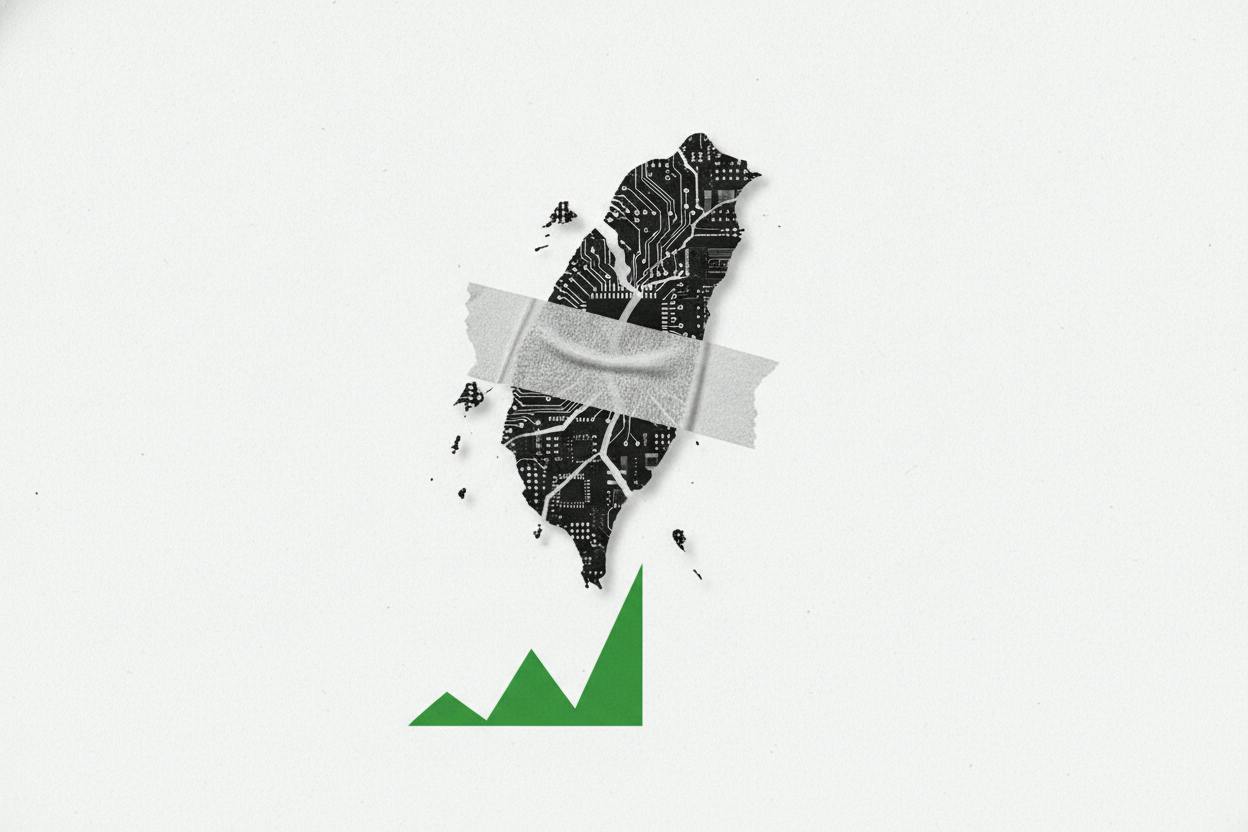
Taiwan's stock market took a sharp hit on Friday, sliding more than 6% and closing out its worst week in decades. The selloff, centered on the island's heavyweight technology and chipmaking stocks, has quickly become a global gut-check on the durability of the artificial intelligence boom that has powered markets for the past year.
The Taiwan Stock Exchange (TWSE) responded by backing curbs on short selling — a practice where investors bet on a stock's decline — and urged investors to focus on the still-solid pipeline of AI-related export orders. Chairman Sherman Lin and other officials argue that the underlying demand for AI hardware hasn't vanished, even as prices reset.
Why Taiwan matters to the AI trade
Taiwan sits at the very center of the global AI supply chain. Its ecosystem spans advanced chipmaking, advanced packaging, AI servers, and system integration — the physical backbone of everything from data centers to the latest AI models. When Taiwan's tech stocks move, it's often a leading indicator for the broader AI trade worldwide.
So Friday's drop is more than a local story. It's a signal that investors are pulling back from crowded AI positions, worried about stretched valuations, profitability, and rising debt — all colliding with a broader risk-off mood in global markets. Similar jitters have been visible elsewhere, with AI-related stocks in the US and Europe also cooling recently, as seen in Europe's slide as the AI trade cools and Anthropic's IPO failing to revive the AI rally.
Strong exports, but sentiment swings
Officials point to the real economy as evidence that the AI story remains intact. The economy ministry reported that October export orders jumped to $123.82 billion, beating expectations and growing at a record-fast pace, largely thanks to AI-related products. That's a concrete sign that demand for chips, servers, and other AI hardware is still robust.
But markets don't always move in step with fundamentals. When sentiment turns, prices can reset faster than the underlying business reality. That's why the TWSE is trying to steady what it calls the "market plumbing" — the mechanics of trading — rather than just the narrative.
What short-selling curbs mean for investors
Short selling is often misunderstood. It's not just a bet against a stock; it's also a hedging tool. Investors who own shares can short to protect against downside, reducing their risk without having to dump their entire position. When regulators tighten short-selling rules, those investors may instead sell shares outright to cut exposure. Market makers — the firms that keep trades flowing — often widen their bid-ask spreads to protect themselves in a more constrained environment.
The result can be thinner liquidity and more violent price swings, even if the underlying export and AI demand story remains intact. In a market as tech-heavy as Taiwan's, that can translate into higher near-term volatility and less reliable price signals during selloffs. For everyday investors, this means the market may feel jumpier and more unpredictable in the coming days, even if the long-term picture hasn't changed.
What to watch next
The key question is whether the selloff is a healthy correction or the start of a deeper repricing. Investors will be watching several things: whether export orders continue to beat expectations, how other AI-heavy markets respond, and whether the TWSE's measures actually calm trading or add to the turbulence.
Global factors are also in play. A stronger dollar, as seen in the dollar holding near a 19-month high, can put pressure on emerging markets like Taiwan. And any further tightening of AI chip export rules, such as the recent US restrictions that have hit Malaysia's stocks, could add to the headwinds.
What it means for your portfolio
For everyday investors, the Taiwan selloff is a reminder that even the most promising trends can experience sharp pullbacks. The AI boom has been a powerful driver of stock gains, but it's also created crowded trades where many investors are betting on the same outcome. When those bets unwind, the moves can be fast and dramatic.
That doesn't mean the AI story is over. Strong export orders and real demand suggest the fundamentals are still there. But it does mean that volatility is likely to remain elevated, and price signals may be less reliable for a while. As always, diversification and a long-term perspective are your best defenses against short-term market swings.
In the meantime, keep an eye on Taiwan's export data and how the TWSE's measures play out. They'll be telling indicators of whether this is a temporary wobble or something more lasting.