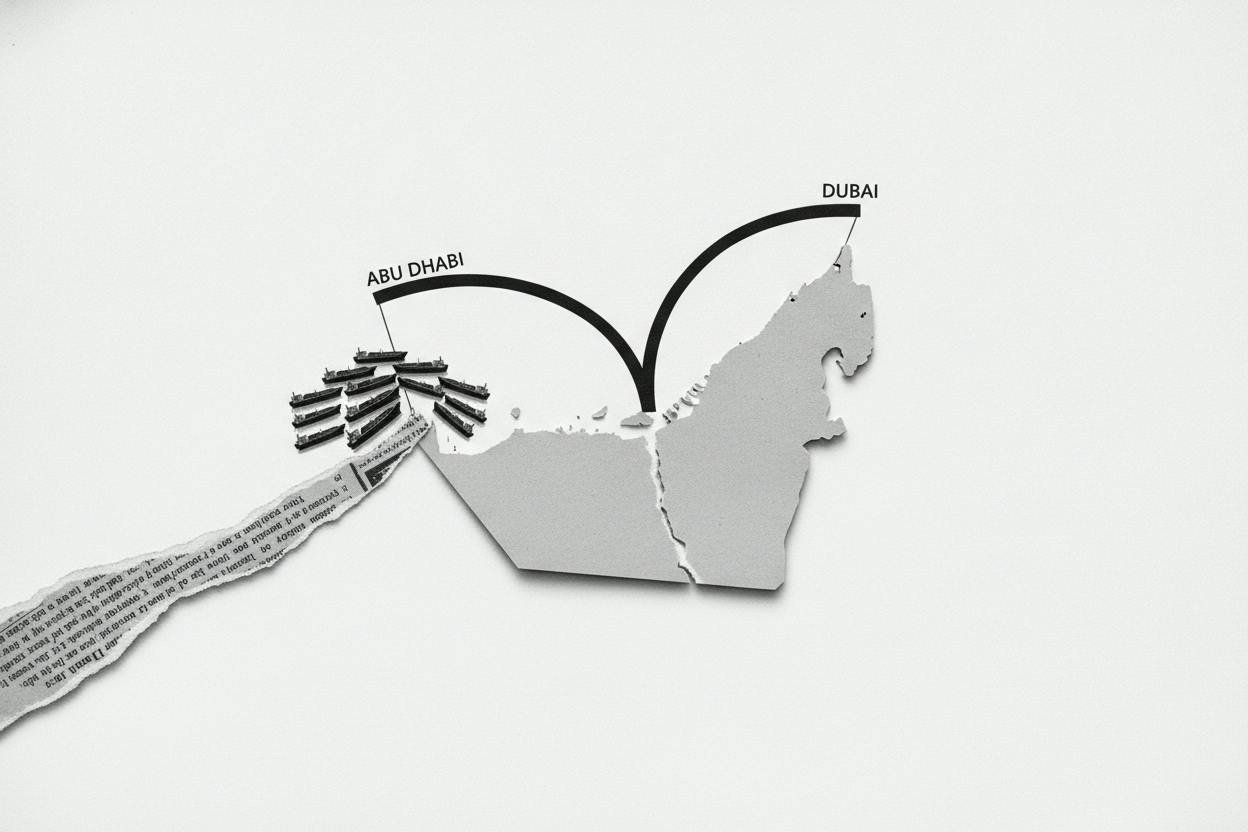
UAE stock markets finished the session on opposite sides of the ledger on Tuesday, as fresh headlines about the US-Iran standoff left investors uncertain about the region's outlook. Abu Dhabi's ADX index slipped 0.375%, while Dubai's DFM index managed a marginal gain of 0.069%.
The moves came after former President Donald Trump said he might wait until next year to make a decision on Iran, a comment that did little to clarify the timeline of a months-long geopolitical standoff. For investors, the lack of clarity is the problem: they are trying to price risk without knowing whether tensions will escalate, ease, or simply drag on.
What's driving the split?
The divergence between Abu Dhabi and Dubai is a tidy snapshot of a market trying to digest geopolitical headlines. Abu Dhabi's index, which is heavily weighted toward energy and large-cap stocks, tends to be more sensitive to oil price swings and regional risk. Dubai's index, with its greater exposure to real estate, tourism, and retail, can react to different signals.
In this case, the modest moves suggest investors are not panicking, but they are also not rushing in. The fact that both indices moved less than half a percent indicates a market that is cautious but not alarmed.
The bigger worry for the region is energy logistics. The Strait of Hormuz is a narrow shipping lane that handles a meaningful share of the world's seaborne oil. Any disruption there can ripple through global prices and confidence. RBC Capital Markets, an investment bank, said the conflict could be "long and drawn out," a scenario that would keep markets on edge for an extended period.
What it means for investors
For everyday investors, the takeaway is that geopolitical risk is now a factor in UAE stock prices. When headlines shift, expect volatility. The key is to focus on the fundamentals of individual companies rather than trying to time the news.
Energy stocks, for example, could benefit from higher oil prices if tensions escalate, but they could also suffer if a resolution leads to a drop in crude. Non-energy sectors like banking and real estate may be more insulated from direct oil price moves but are still vulnerable to a broader loss of confidence.
Investors should also keep an eye on how the situation develops. If the standoff drags into next year, as Trump's comment suggests, markets may have to live with a persistent risk premium. That could mean higher volatility and wider swings in both directions.
For those with a longer time horizon, the current uncertainty might be a reason to review portfolio diversification. Having exposure to different regions and sectors can help cushion the impact of any single geopolitical event.
Regional context
The UAE's split performance comes against a backdrop of mixed regional markets. Elsewhere, Malaysia stocks slid for a fourth day as the US tightened AI chip export rules, while European stocks slipped as the AI trade cooled after Anthropic's debut. These moves highlight how global factors—from tech policy to geopolitical tensions—are influencing markets far beyond their home regions.
In the Gulf, the focus remains on oil and geopolitics. The Strait of Hormuz is a chokepoint that has been a source of concern for decades. Any threat to shipping there can send oil prices higher and weigh on investor sentiment across the region.
RBC's comment about a "long and drawn out" conflict suggests that markets may need to adjust to a new normal of elevated risk. That could mean higher insurance costs for shipping, wider risk premiums on regional assets, and more cautious corporate investment.
What to watch next
Investors will be watching for any new developments on the US-Iran front, including statements from both governments and any signs of military activity. Oil price movements will also be a key indicator, as they often reflect market perceptions of risk.
On the corporate side, earnings season is a reminder that company fundamentals still matter. Globant trimmed its Q4 outlook but boosted buybacks, a move that shows how companies are navigating uncertainty. Similarly, Vallourec's profit drop was offset by a steady outlook, illustrating that even in tough times, some firms find ways to reassure investors.
For UAE investors, the immediate focus should be on how the geopolitical situation evolves. If tensions ease, markets could rebound quickly. If they escalate, expect further volatility. Either way, staying informed and keeping a long-term perspective is the best approach.
In the meantime, the split between Abu Dhabi and Dubai is a reminder that not all markets move in lockstep. Different sectors, different exposures, and different investor bases can lead to divergent outcomes even within the same country.