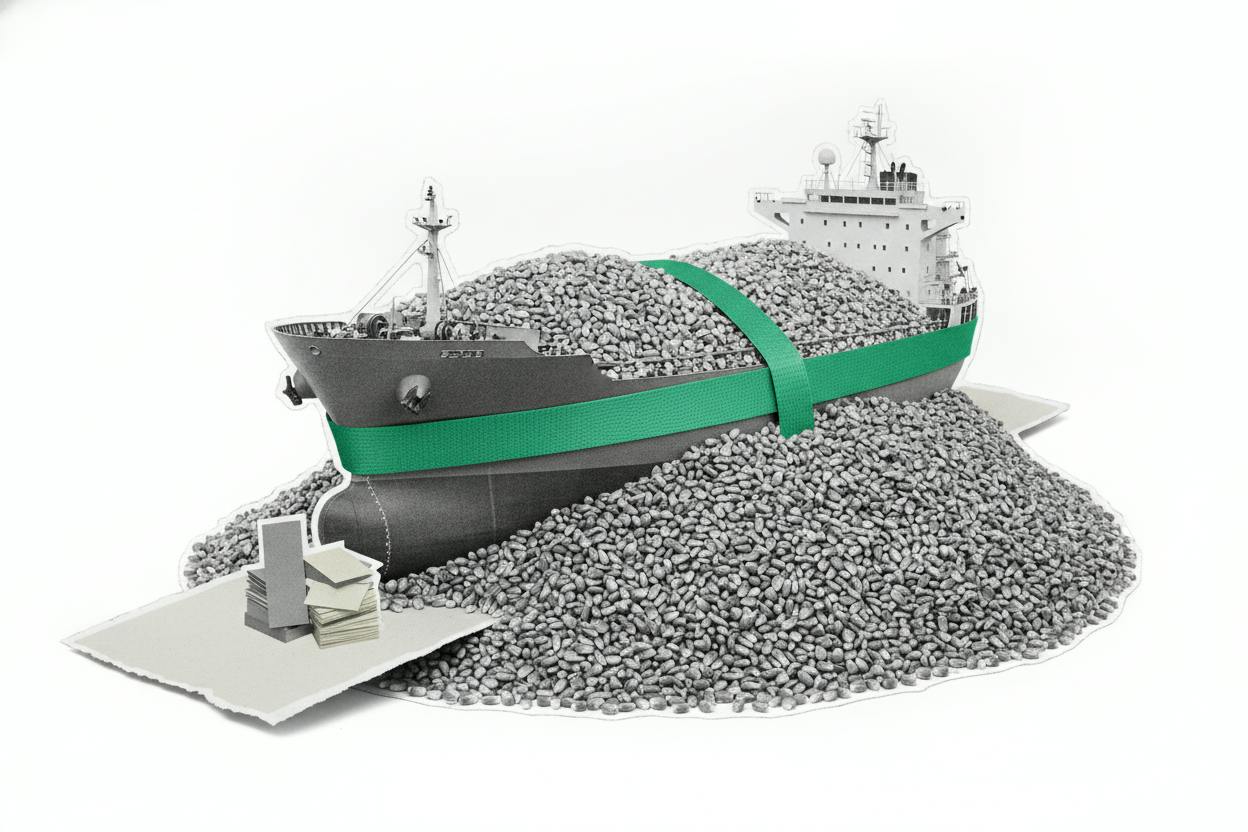
South Korea's Major Feedmill Group (MFG), one of the country's largest animal-feed buyers, has reportedly booked up to 136,000 metric tons of corn for delivery in 2027. Traders familiar with the deal said the purchase was made through an international tender, with the two cargoes priced at around $264 per ton on a cost-and-freight (C&F) basis, plus a $1.50-per-ton unloading surcharge.
The purchase is split into two cargoes of up to 68,000 tons each, and the seller has been given the flexibility to choose the supply origin. That "optional origin" clause is a common feature in such tenders, but it carries significant implications for both the buyer and the seller.
What does the optional origin clause mean?
When a feedmaker allows the seller to pick where the corn comes from, it transfers a good deal of risk onto the seller. The seller must ensure the grain meets quality standards and arrives on schedule, regardless of which country it ships from. In return, the seller typically builds a premium into the price to compensate for that added responsibility.
For MFG, the arrangement provides flexibility and potentially lower costs, as the seller can source from the most competitive market at the time of shipment. But it also means the feedmaker has less control over the exact origin, which could matter if there are quality or logistics issues down the line.
Corn is a staple ingredient in animal feed, and South Korea is one of the world's largest importers of the grain. The country's feedmakers regularly hold tenders to secure supplies well in advance, especially for forward delivery, to protect against price swings and supply disruptions.
Why this deal matters for investors
For everyday investors, this news is a small but telling signal about the health of global agricultural markets and the broader economy. Corn prices are influenced by a range of factors, including weather, crop yields, energy costs, and demand from major importers like South Korea, China, and Japan.
The fact that MFG is locking in 2027 delivery at around $264 a ton suggests the feedmaker expects prices to remain in a range that makes forward buying attractive. It also indicates that South Korea's livestock industry, which relies heavily on imported feed grains, is planning for steady demand over the next couple of years.
For investors in agricultural commodities or companies that trade in them, such tenders offer a glimpse into the demand side of the market. A flurry of large purchases by major importers can support prices, while a slowdown in buying could signal weaker demand ahead.
It's also worth noting that the optional origin clause is a sign of a well-functioning global market. Sellers can tap into supplies from the Americas, the Black Sea region, or elsewhere, depending on where prices and logistics are most favorable. That flexibility helps keep the global corn trade efficient, which ultimately benefits consumers and companies that use corn as an input.
What to watch next
Investors will be keeping an eye on a few things in the coming months. First, how corn prices move in response to upcoming planting and harvest seasons in major producing countries. Second, whether other Asian feedmakers follow MFG's lead and lock in forward supplies, which could signal their confidence in future demand.
Also worth watching is the broader trend in agricultural commodity prices, which have been influenced by everything from weather patterns to geopolitical tensions. For instance, disruptions in the Black Sea grain corridor have periodically rattled markets, and any renewed instability could push prices higher.
For those with exposure to agricultural stocks or commodity funds, the key takeaway is that demand from major importers like South Korea remains robust. That's a positive sign for the sector, though it's always wise to remember that commodity prices can be volatile and are subject to many unpredictable factors.
In the meantime, this deal is a routine but important part of how the global food supply chain operates. It's a reminder that behind every bag of feed or carton of eggs, there's a complex web of international trade, risk management, and price discovery.