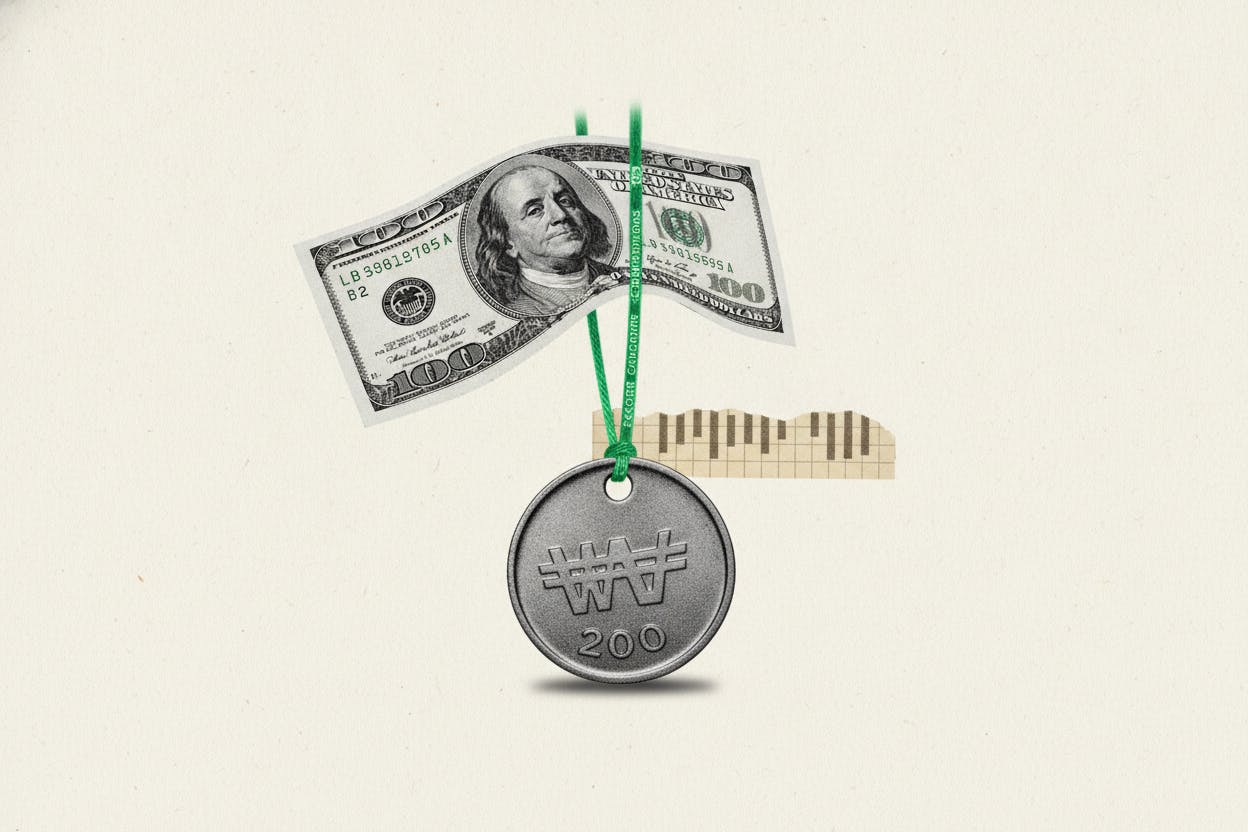
South Korea's won strengthened to its highest level since mid-September 2025, as the US dollar remained under pressure and Asian currencies broadly held their ground. The move comes as investors digest a combination of US Treasury actions and strong semiconductor export data from the region.
What's driving the won's rally?
The dollar's weakness has been a key factor. According to Reuters, worries about rising developed-market debt—sparked by a recent jump in bond yields—have weighed on the greenback. In response, the US Treasury announced it would double the size of its buybacks of longer-term government bonds, a move aimed at cooling yields. That action also put additional downward pressure on the dollar.
At the same time, strong chip exports from South Korea have provided a solid underpinning for the won. Semiconductors are a major export for the country, and robust demand for chips helps support the currency by boosting export revenues and overall economic confidence.
The won's strength is part of a broader trend across Asia, where most currencies have remained steady or gained as the dollar softens. This follows a period of volatility in global bond markets, and investors are closely watching how central banks and governments respond.
Why the dollar is under pressure
The US dollar has been sliding for several weeks, hitting multi-month lows against a basket of major currencies. The recent jump in bond yields raised concerns about the sustainability of government debt in developed economies, prompting investors to seek safer or higher-yielding alternatives. The Treasury's decision to expand its buyback program is seen as an attempt to stabilize the bond market, but it has also had the side effect of weakening the dollar.
For everyday investors, a softer dollar can have mixed implications. It makes US exports more competitive, but it can also mean that US-based investors holding foreign assets see gains in local currency terms. Conversely, it can reduce the purchasing power of US consumers when buying imported goods.
What it means for investors
For investors with exposure to Asian markets, the won's strength is a positive sign. It reflects confidence in the region's economic fundamentals, particularly in the tech and manufacturing sectors. However, it also means that currency fluctuations can affect returns on international investments. A stronger won, for instance, can boost the dollar value of Korean assets for foreign investors.
The broader trend of a soft dollar is also relevant for commodity prices, as many commodities are priced in dollars. A weaker dollar tends to push up commodity prices, which can benefit commodity-exporting countries and companies. This dynamic is part of the reason why Latin American markets have rallied as the dollar softens.
Investors should also keep an eye on upcoming US economic data, as the dollar often slips ahead of key releases. The Federal Reserve's policy stance and any signals about future rate moves will be crucial in determining whether the dollar's weakness persists.
Regional context and outlook
The won's performance is not isolated. Other Asian currencies, including the Australian and New Zealand dollars, have also been affected by the dollar's moves, though they have stalled at key chart levels. This suggests that while the dollar is soft, it may not weaken indefinitely, and technical resistance could limit further gains.
For South Korea, the strong won is a double-edged sword. On one hand, it lowers the cost of imports, including energy and raw materials, which can help tame inflation. On the other hand, it makes Korean exports more expensive for foreign buyers, which could weigh on the competitiveness of companies like Samsung and Hyundai. However, the robust demand for chips appears to be offsetting those concerns for now.
Looking ahead, investors will be watching the Federal Reserve's next moves and any further Treasury actions. The dollar's recent slide to a three-month low has been tied to these factors, and the upcoming Jackson Hole symposium could provide more clarity on monetary policy direction.
Bottom line
The won's rally to its strongest level since September 2025 is a reflection of a softer dollar and strong regional fundamentals. For investors, this underscores the importance of monitoring currency movements and their impact on international portfolios. While a strong won is generally positive for Korean assets, it also highlights the interconnectedness of global markets and the need to stay informed about policy shifts and economic data.



