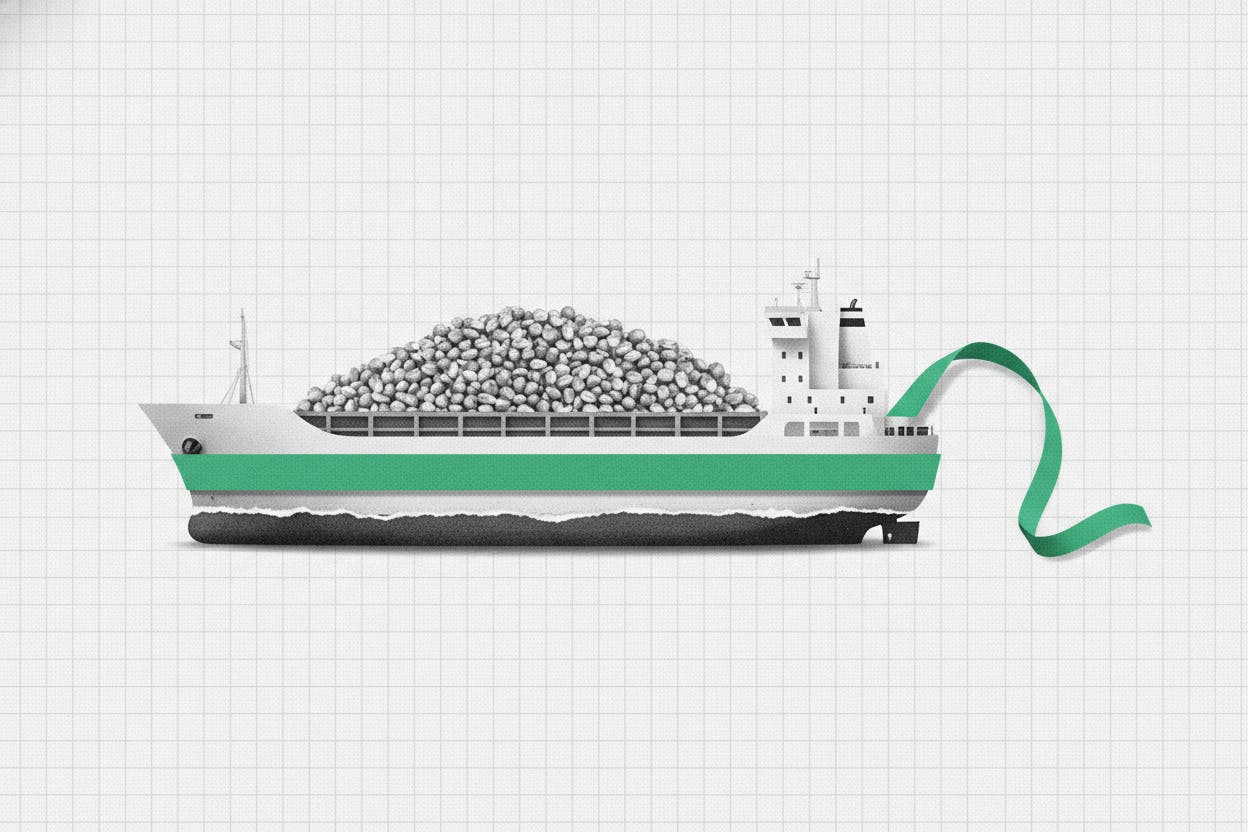
South Korea's Major Feedmill Group (MFG), a key buyer of animal feed ingredients, has locked in a shipment of about 69,000 metric tons of corn for November delivery, traders said on Wednesday. The purchase, made through an international tender, came at a price of roughly $273.99 per ton on a cost-and-freight (c&f) basis, plus a $1.50-per-ton unloading surcharge.
The cargo is believed to have been sold by Cargill, one of the world's largest agricultural commodity traders. The corn is likely to be sourced from South America or South Africa, depending on which origin offers the best combination of shipping schedules and freight costs for the November arrival window.
Why the second cargo was left unfilled
Notably, MFG did not book a second cargo for December delivery, which had also been part of the tender. Traders said the decision to leave that slot open suggests the group is taking a cautious approach to forward purchasing, possibly waiting for more favorable pricing or clearer signals on global supply and demand.
Corn prices have been under pressure in recent months due to ample global supplies, particularly from Brazil and the United States, as well as slower demand from some major importers. The price paid by MFG—around $273.99 per ton c&f—reflects the current market environment, where buyers can afford to be selective.
What this means for investors
For everyday investors, this type of agricultural tender offers a window into the health of global commodity markets and the strategies of major importers. South Korea is one of the world's top corn importers, using the grain primarily for animal feed. When a large buyer like MFG steps back from covering a second cargo, it can signal that prices may have further room to fall—or that the buyer expects better deals ahead.
Investors with exposure to agricultural commodities through exchange-traded funds (ETFs) or futures should watch for similar patterns from other Asian buyers. If more importers delay purchases, it could add downward pressure on corn prices. Conversely, if global supply tightens—due to weather issues in key growing regions or rising demand from other countries—prices could rebound.
The broader context also matters. South Korea's economy has shown resilience, with consumer sentiment edging up in July despite a rate hike. However, the country's stock market has been volatile, with stocks bouncing after a 10% slide as dip buyers eye chip earnings. These macroeconomic factors can influence feed demand, as livestock farmers adjust production based on domestic economic conditions.
Global corn market dynamics
The corn market is currently shaped by several key forces. The U.S. Department of Agriculture (USDA) has projected record global corn production for the 2024/25 season, driven by large harvests in Brazil and the United States. This has kept prices relatively low compared to the spikes seen in 2022 and early 2023. Meanwhile, demand from China, another major importer, has been uneven, adding to the uncertainty.
For South Korean feed mills, the ability to source corn from multiple origins—including South America and South Africa—provides flexibility. The cost-and-freight pricing structure means the seller arranges shipping, so the buyer's main concern is the delivered price. The $1.50 unloading surcharge is a standard add-on to cover port handling costs.
Investors should also keep an eye on currency movements. The South Korean won's exchange rate against the U.S. dollar affects the local cost of imported corn, since global commodities are typically priced in dollars. A weaker won makes imports more expensive, potentially squeezing margins for feed mills and livestock producers.
Looking ahead
MFG's decision to leave the December slot unfilled could be a tactical move. If corn prices decline further, the group may secure a cheaper cargo later. Alternatively, if prices rise, it may have to pay more—a risk that buyers weigh carefully. Traders will be watching for similar tenders from other South Korean feed groups, such as Korea Feed Association (KFA) or Nonghyup Feed Inc., to gauge the overall direction of demand.
For investors, the key takeaway is that agricultural commodity markets remain well-supplied, giving buyers leverage. However, any disruption—such as a drought in South America or a sudden surge in demand from China—could quickly shift the balance. Staying informed about these dynamics can help investors make more educated decisions about their commodity-related holdings.