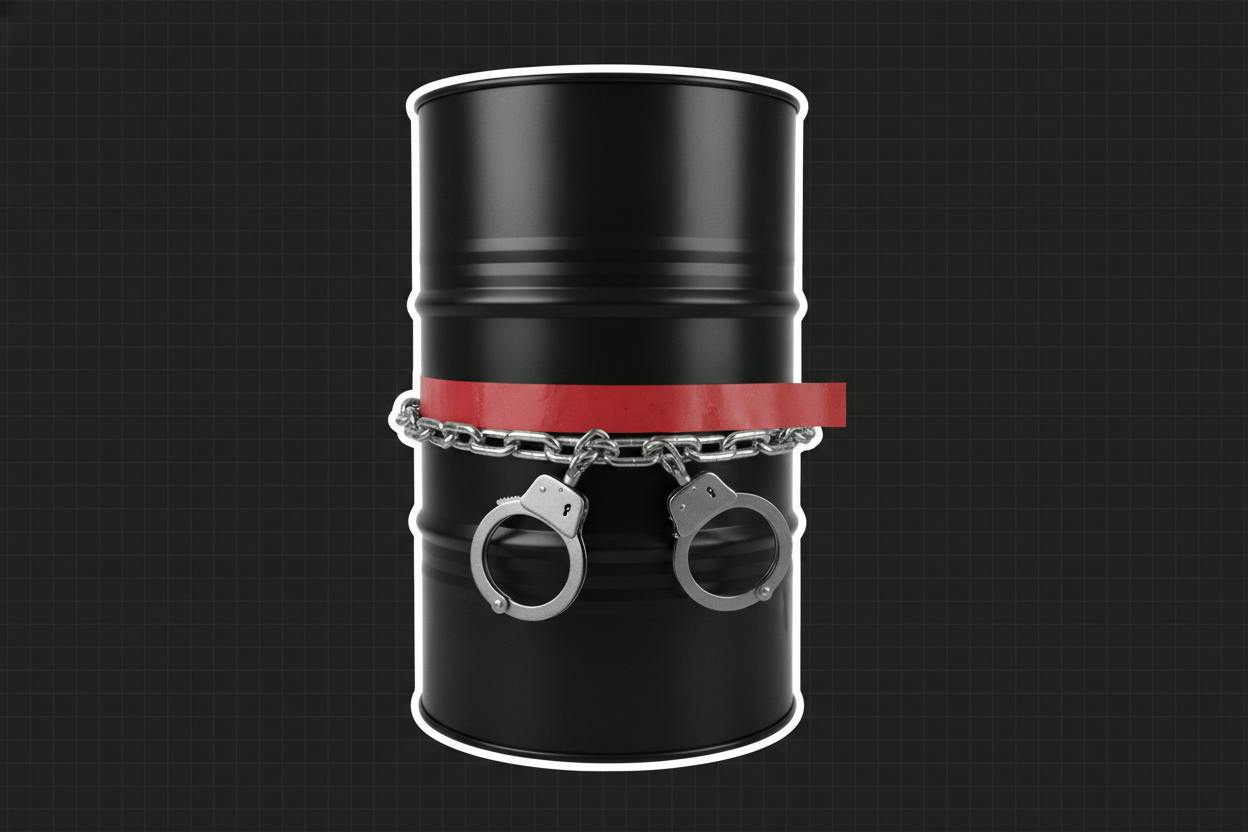
South Korean prosecutors have moved to arrest eight current and former executives from the country's petrochemical industry, accusing seven major firms of colluding to fix prices on eight products over several years. The alleged scheme, reported by Yonhap, is said to have generated illicit profits in the trillions of won.
The case marks a significant escalation in South Korea's enforcement of antitrust rules, targeting some of the nation's largest industrial players. While the companies have not been named in the initial reports, the petrochemical sector is a cornerstone of South Korea's export-driven economy, and any disruption could ripple through supply chains and investor sentiment.
What is price-fixing and why does it matter?
Price-fixing occurs when competitors agree to set prices at a certain level rather than letting market forces determine them. This practice is illegal in most jurisdictions because it harms consumers and businesses that rely on competitive pricing. In the petrochemical industry, products like plastics, synthetic resins, and chemical feedstocks are used in countless goods, from packaging to automotive parts. Even small price increases can have outsized effects on downstream manufacturers and ultimately on consumer prices.
Prosecutors allege that the seven firms coordinated prices for eight products, effectively acting as a cartel. If proven, this would represent a serious breach of South Korea's Fair Trade Act, which carries penalties including fines and imprisonment. The trillions of won in alleged illicit profits underscore the scale of the alleged scheme, which reportedly persisted for years.
For everyday investors, the case highlights the risks of investing in industries where collusion may be suspected. When companies are found guilty of price-fixing, they often face hefty fines, legal costs, and reputational damage, all of which can weigh on stock prices. In South Korea, past antitrust cases have led to significant penalties and management shake-ups.
Broader market context
The news comes at a time when South Korean markets are already under pressure. The KOSPI index has been volatile, partly due to rising oil prices, which increase input costs for petrochemical firms. As oil prices remain elevated, the sector's profitability is being squeezed, and any legal troubles could add to investor unease.
South Korea's economy is heavily reliant on exports, with petrochemicals being a key export category. The government has been keen to maintain the competitiveness of its industries, but antitrust enforcement has been strengthening in recent years. This case could signal a tougher stance on corporate misconduct, which might affect how investors view governance risks in the country.
Globally, antitrust scrutiny has been increasing across sectors, from tech to energy. In the petrochemical industry, similar cases have occurred in other regions, leading to fines and compliance reforms. South Korea's move could set a precedent for other Asian markets, where cartel behavior has sometimes gone unchecked.
What it means for investors
For investors holding shares in South Korean petrochemical companies, the immediate concern is the potential for legal penalties and management disruption. Arrest warrants, if granted, could lead to leadership changes and distract from day-to-day operations. The uncertainty alone could weigh on share prices in the near term.
Longer-term, the case may prompt companies to review their pricing practices and compliance programs. While that could increase costs, it might also reduce the risk of future legal actions. Investors often view strong corporate governance as a positive, so companies that emerge with clean records could be seen more favorably.
It's also worth noting that the alleged profits were in the trillions of won, which suggests the price-fixing had a meaningful impact on the market. If the companies are forced to disgorge those profits or pay fines, it could affect their financial results. However, the full extent of any penalties will depend on the outcome of the legal proceedings, which could take months or even years.
For now, investors should monitor the situation closely. The case is a reminder that regulatory risks are a real factor in any investment, especially in industries with a history of cartel behavior. As always, diversification and a focus on companies with strong governance can help mitigate such risks.
In the broader context, the case adds to a narrative of tightening regulation in South Korea, which could have implications for other sectors. Investors with exposure to Korean equities may want to keep an eye on how the government handles this and other antitrust cases.
While the immediate impact may be limited to the companies involved, the case could influence how international investors view South Korea's corporate landscape. Transparency and fair competition are key to attracting foreign capital, and this case shows that authorities are willing to act against perceived abuses.
As the legal process unfolds, more details are likely to emerge about the specific products and companies involved. Until then, investors will be watching for any signs of how the market reacts to the news, and whether the arrests lead to broader changes in the industry.