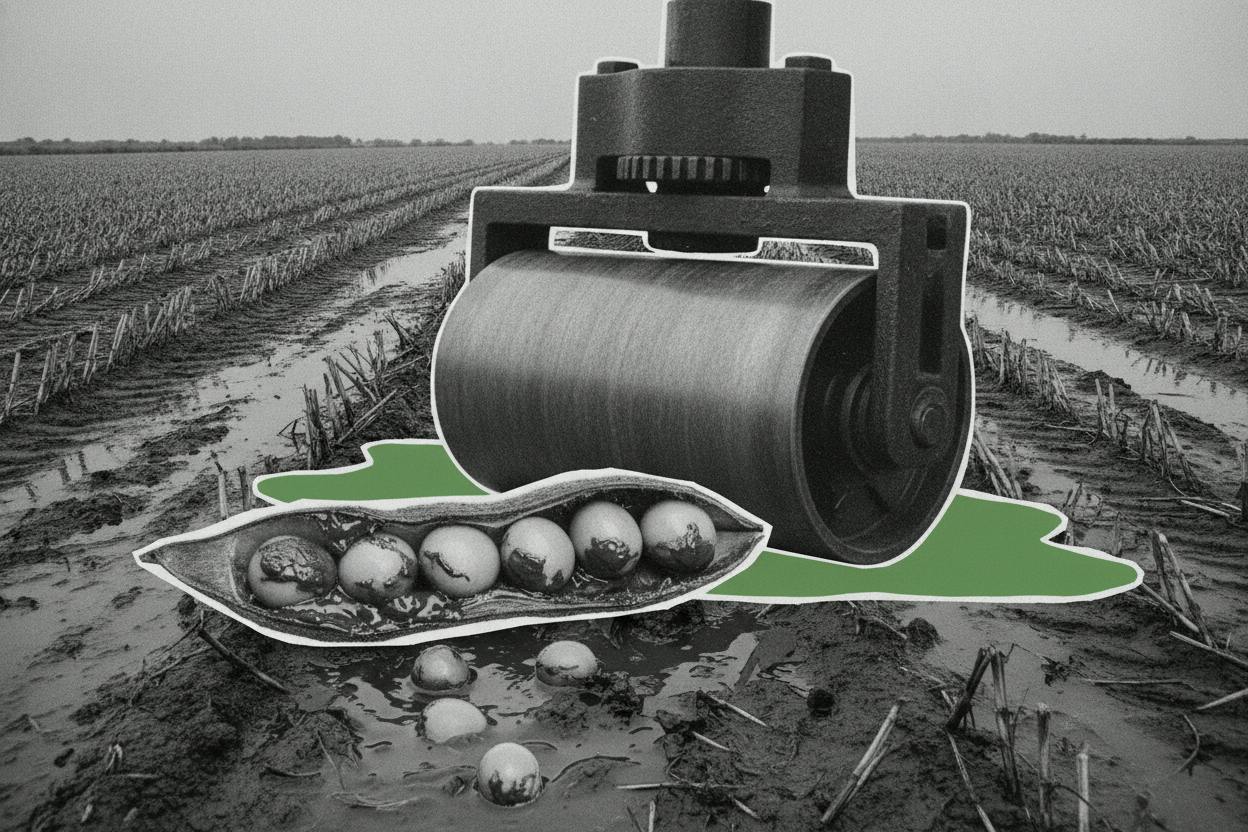
Soybean futures on the Chicago Board of Trade (CBOT) edged higher on Monday, snapping a three-session losing streak, as wet weather across parts of the U.S. Midwest raised fresh questions about crop quality just as the harvest season gets underway. The most-active November contract settled 2-1/2 cents higher, with firmer soyoil prices and a stronger Brazilian real helping to offset the usual pressure that comes with harvest-time supply.
What's driving the move?
The immediate catalyst is the weather. A stretch of wet conditions across key growing areas has traders wondering whether soggy fields will delay combines and, more importantly, whether the moisture could hurt the quality of the beans coming out of the field. Quality matters because damaged or sprouted beans are worth less at the elevator, and any widespread quality issues could tighten the supply of higher-grade soybeans.
At the same time, the market is looking ahead to drier forecasts that should allow farmers to get back into the fields and accelerate harvest activity. That sets up a classic tug-of-war: wet weather supports prices by threatening quality and slowing the flow of new supply, but drier conditions could bring a wave of selling as freshly harvested beans hit the market.
What to watch: USDA crop progress report
A key near-term check for traders is the U.S. Department of Agriculture's weekly crop progress report, due out later Monday. Analysts surveyed by Reuters expect the report to show soybean harvest progress at 29% as of Sunday, which would be a quick read on how fast new supply is arriving. A number below expectations could signal that wet fields are indeed slowing things down, while a higher number might ease some of the quality concerns.
The report is closely watched because it provides the first hard data on harvest pace and crop condition, and it often sets the tone for trading in the days that follow.
Other factors in the mix
Beyond the weather, two other forces were at play on Monday. Firmer soyoil prices, which are tied to the vegetable oil market, helped lift the soybean complex. And a stronger Brazilian real—the currency of the world's biggest soybean exporter—made Brazilian beans more expensive on the global market, which can make U.S. supplies relatively more attractive.
The Brazilian real's strength is a reminder that soybean prices are set in a global market, where currency moves and export competition matter just as much as what's happening in American fields.
What it means for investors
For everyday investors, the soybean market might seem like a niche corner of the commodities world, but it has broader implications. Soybeans are a major U.S. agricultural export, and price swings can ripple through the economy—affecting everything from the cost of food and animal feed to the earnings of farm-equipment makers and fertilizer companies.
If you hold a diversified portfolio, you're likely already exposed to these moves through agricultural stocks, commodity funds, or even the broader market, since agribusiness is a significant part of the U.S. economy. A sustained rally in soybean prices could boost the bottom lines of grain merchants and seed companies, while a sharp drop might pressure them.
That said, this week's move is modest—a few cents on a contract that trades in dollars per bushel. It's not a signal of a major trend, but rather a reflection of the market's ongoing dance with weather and supply. For investors, the takeaway is to keep an eye on the USDA reports and weather forecasts, as they are the primary drivers of short-term moves in this market.
The bigger picture
The soybean market is also being shaped by larger forces. Global demand for soybeans—used for animal feed, cooking oil, and increasingly for biofuels—has been growing steadily. At the same time, weather patterns like El Niño and La Niña can cause significant swings in production, making supply forecasts uncertain.
For now, the market is in a wait-and-see mode. The USDA's crop progress report will give the first concrete read on how the harvest is shaping up, and traders will be watching to see if the wet weather is a temporary hiccup or a sign of deeper problems. Either way, the next few weeks are likely to bring more volatility as the harvest season unfolds.
As always, it's important to remember that commodity markets are inherently volatile and can be influenced by factors that are hard to predict, from sudden weather shifts to geopolitical events. For most investors, the best approach is to stay diversified and not make big bets based on a single day's price move.