US stocks climbed Wednesday afternoon, led by a handful of mega-cap technology names. The Nasdaq Composite rose 1.2%, outpacing the S&P 500's 0.6% gain and a smaller advance in the Dow Jones Industrial Average. The move was powered by two standout performers: SpaceX, which jumped 9.8% after reporting a return to profitability, and Super Micro Computer, which gained 9% on better-than-expected preliminary results.
The session was a reminder of how much influence a few large companies can have on headline indexes. Data provider Finviz noted that seven of the ten largest US stocks with market values above $200 billion are technology companies. Because the Nasdaq is market-cap weighted, big percentage moves in those giants translate directly into index points, even if many smaller stocks are flat or down.
What drove the gains
SpaceX said late Tuesday that it returned to profitability in the third quarter as revenue rose, citing strength in its artificial intelligence and connectivity businesses. The company, which is privately held but has a large valuation, saw its shares (or units) jump nearly 10% in reaction. CEO Elon Musk added to the intrigue by saying SpaceX and Tesla had formed committees to assess a potential merger, a development that hinges on committees and a shareholder vote.
Super Micro, a maker of servers and storage systems used in data centers, helped reinforce the positive tone. The company posted preliminary fiscal first-quarter revenue and profit margins above expectations, signaling that demand for AI infrastructure remains robust. That news echoed Super Micro's earlier strong forecast, which pointed to steady AI data center demand.
The combination of a profit turnaround at SpaceX and solid results from Super Micro fed a broader “risk-on” mood in tech, lifting sentiment across the sector. The moves also helped revive the AI trade that had been a key driver of market gains earlier in the year.
Why breadth matters
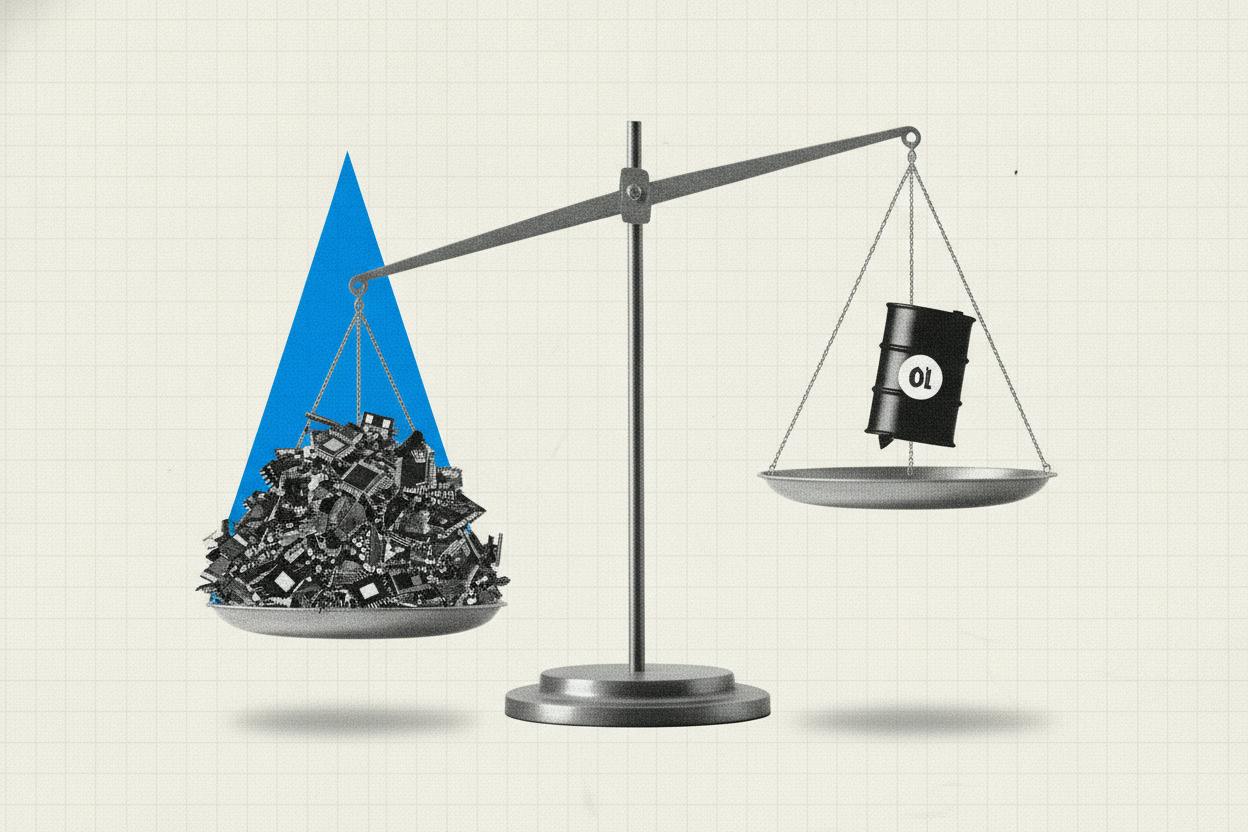
When market leadership is this concentrated, investors often look beyond the index level to assess how durable the rally really is. The key question is breadth: how many stocks are participating in the advance? A rally driven by just a few names can feel strong on paper but may not reflect the health of the broader market.
For everyday investors, this matters in a few ways. Index funds that track the Nasdaq are heavily weighted toward the largest tech companies, so their performance is closely tied to the fortunes of that small group. If those leaders stumble, the index can fall quickly, even if other sectors are doing fine. Conversely, a strong day for the giants can mask weakness elsewhere.
Breadth is often used as a reality check on market sentiment. When a broad swath of stocks is rising, it suggests confidence is widespread. When gains are concentrated in a few names, it can be a sign that investors are betting on a narrow set of themes, such as AI, rather than the overall economy.
What it means for investors
For those with money in index funds or tech-heavy portfolios, the takeaway is to understand the concentration risk. The Nasdaq's market-cap weighting means that a handful of companies can drive a large portion of the index's return. That has been a boon during the AI-driven rally, but it also means that a reversal in those leaders could hit the index hard.
Investors should also watch for signs of broadening. If smaller companies and other sectors start to participate in gains, that could signal a more sustainable uptrend. On the other hand, if the rally remains dependent on a few mega-caps, it may be more fragile than the headline numbers suggest.
The SpaceX and Super Micro moves are a reminder that single-company news can move the entire market, especially when those companies are part of the $200 billion-plus tech club. As SpaceX's return to profit lifted futures ahead of other big earnings, the pattern is likely to continue as investors parse results from major tech firms.
In the end, Wednesday's bounce was a positive sign for tech bulls, but the narrow leadership means the rally's staying power is still an open question. Keeping an eye on breadth and the health of the broader market will be key for anyone trying to gauge whether this is a sustainable move or just a few giants doing the heavy lifting.