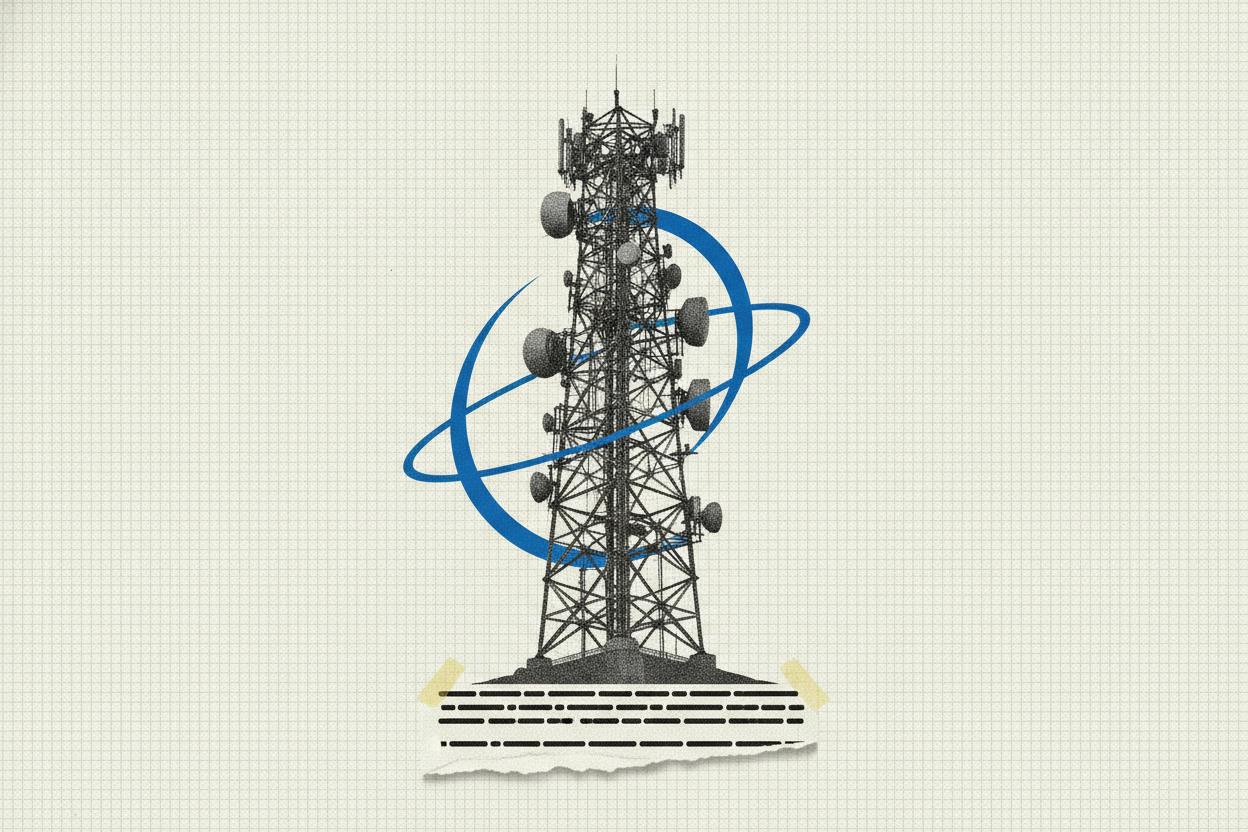
SpaceX, the rocket and satellite company led by Elon Musk, is reportedly in talks to secure access to at least 80,000 US cell sites. According to Bloomberg, the move is part of a broader ambition to build a fourth nationwide wireless carrier in the United States, a project that research firm TD Cowen estimates could cost more than $80 billion.
The report, which cited people familiar with the matter, said SpaceX is discussing deals with infrastructure landlords such as Crown Castle. These agreements would give the company a footprint across tens of thousands of locations where it could mount antennas and radios—essential hardware for a terrestrial mobile network.
Why cell sites matter
Running a nationwide mobile network requires two critical ingredients: spectrum (the airwaves that carry data) and a dense network of physical sites to hold the equipment that transmits and receives signals. While SpaceX already operates a satellite internet service called Starlink, a terrestrial network would need a vast number of towers, rooftops, and other structures to provide reliable coverage, especially in urban and suburban areas.
The scale of SpaceX's reported ambition is striking. The Wireless Infrastructure Association counted roughly 158,500 purpose-built cell towers in the US last year, so 80,000 sites would represent a significant share of the country's existing infrastructure. However, that number includes only purpose-built towers; many networks also use rooftop sites, small cells, and other structures, so the total addressable footprint is larger.
Still, a terrestrial buildout would not be quick or cheap. TD Cowen's estimate of more than $80 billion likely covers only the initial construction and deployment, with additional billions needed over time for maintenance, upgrades, and spectrum licensing. Building a network from scratch typically takes many years, and even with access to existing sites, companies must install equipment, connect backhaul, and negotiate leases.
What it means for investors
The immediate market reaction to the report was a dip in the shares of the three incumbent carriers—AT&T, Verizon, and T-Mobile—as investors weighed the prospect of a new competitor. But the longer-term picture may be more nuanced.
If SpaceX converts these negotiations into signed leases, the clearest beneficiaries could be the tower owners themselves. Companies like Crown Castle (which operates about 40,000 US towers) and American Tower (about 42,000 US sites) stand to gain from additional tenants. Each new tenant on an existing tower often carries high incremental profit, because much of the cost—steel, power hookups, and land leases—is already in place. More tenants can also strengthen the landlords' pricing power when leases come up for renewal, since prime locations are limited.
For everyday investors, the story underscores how infrastructure plays a central role in the wireless industry. While the headlines focus on the carriers and their brands, the companies that own the physical assets—towers, fiber, and data centers—often benefit regardless of which network wins. This dynamic has made tower REITs a popular way to gain exposure to the growth of mobile data, and any credible new entrant could add to that demand.
That said, the deal is far from done. Negotiations can fall through, and even if agreements are signed, the buildout would take years and face regulatory hurdles. SpaceX would need to secure spectrum licenses, obtain local permits, and compete with established players that have deep pockets and existing customer bases.
For now, the report is a reminder that the US wireless market, long dominated by three giants, may not be as settled as it seems. Whether SpaceX becomes a true fourth carrier or simply uses the talks as leverage, the ripple effects could be felt across the sector—and in the portfolios of investors who hold shares of carriers, tower owners, or the broader tech and communications complex.
As always, it's wise to watch for official announcements and to consider how any new competition might affect the pricing power and profitability of the incumbents. The wireless industry has high barriers to entry, but those barriers are not insurmountable, especially for a company with SpaceX's resources and ambition.



