US stock futures were mixed early Thursday as oil prices edged higher and traders monitored diplomatic signals that Iran and Oman are close to a plan for safer passage through the Strait of Hormuz. At the same time, investors were looking ahead to fresh economic data, including weekly jobless claims and productivity figures.
What's happening in the Strait of Hormuz?
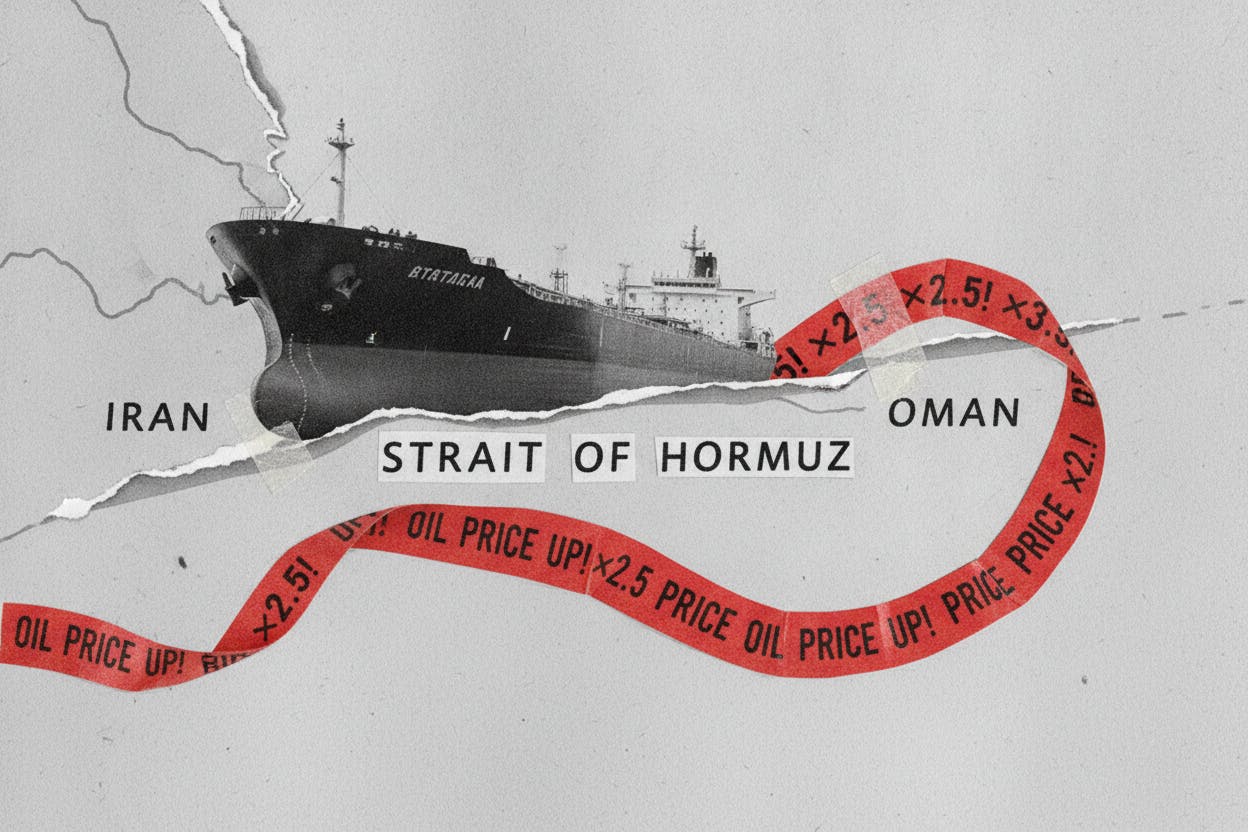
The Strait of Hormuz is a narrow waterway between Iran and Oman that connects the Persian Gulf with the Gulf of Oman and the open sea. It is one of the most strategically important chokepoints in the world, carrying a large share of global seaborne oil shipments. Because so much crude passes through this channel, any disruption—or even the threat of one—can quickly affect oil prices and, by extension, stock markets.
According to reports, Iran's Foreign Ministry spokesperson Esmaeil Baghaei said a joint announcement on a shipping route is being finalized. CNBC also cited an Iranian official describing a temporary arrangement tied to a 60-day negotiation window. While the details remain unclear, the mere prospect of a diplomatic agreement has been enough to keep oil prices from spiking, even as they ticked up on the day.
For context, tensions in the region have periodically raised fears of supply disruptions. A formal agreement on safe passage could reduce that risk, which would likely be welcomed by markets. However, investors have learned to be cautious, as past diplomatic efforts have sometimes stalled or fallen short of expectations.
What does this mean for oil and stocks?
Oil prices edged higher on Thursday, reflecting the ongoing uncertainty. Even with the Hormuz talks, the market remains sensitive to any signs of escalation or delay. A successful deal could ease supply concerns and potentially push oil prices lower, which would be a positive for consumers and businesses that rely on energy. On the other hand, a breakdown in talks could reignite fears of disruption and send prices climbing.
For stock investors, the direction of oil matters in several ways. Higher energy costs can squeeze corporate profit margins, especially for airlines, shipping companies, and manufacturers. They can also feed into inflation, which might influence central bank policy. Lower oil prices, by contrast, tend to be a tailwind for consumer spending and can help keep inflation in check.
Relatedly, oil's recent moves near $79 have been intertwined with concerns about Federal Reserve interest rate policy. If oil prices stay elevated, they could add to inflationary pressures, making it harder for the Fed to cut rates. That dynamic has been a key driver of market sentiment in recent weeks.
What else are investors watching?
Beyond the Hormuz situation, traders were focused on the latest US economic data. Weekly jobless claims are a closely watched indicator of labor market health. A higher-than-expected number could signal cooling, while a low number suggests continued strength. Productivity data, meanwhile, measures how efficiently workers produce goods and services, which can affect corporate profits and inflation.
These data points come at a time when markets are trying to gauge the path of interest rates. Strong economic data could keep the Fed on hold or even prompt further hikes, while weak data might open the door to cuts. European stocks recently hit record highs as strong earnings offset oil and rate worries, showing that corporate results can sometimes outweigh macro concerns.
What it means for everyday investors
For ordinary investors, the key takeaway is that geopolitical events like the Hormuz talks can create short-term volatility, but they are just one piece of the puzzle. It's important to keep a long-term perspective and not overreact to daily headlines. Diversification across asset classes and sectors can help cushion against sudden moves in oil or stocks.
If you own energy stocks or funds, you may see more pronounced swings as oil prices react to news from the region. Conversely, if you hold broad market index funds, the impact may be more muted. As always, it's wise to review your portfolio regularly and ensure it aligns with your risk tolerance and financial goals.
Investors will likely keep a close eye on any official announcements from Iran and Oman, as well as the upcoming economic data. Gulf stocks have remained steady as the deal nears, suggesting that regional markets are cautiously optimistic. But as with any negotiation, there are no guarantees, and the situation could change quickly.
In the meantime, the mixed futures suggest that traders are not ready to make big bets in either direction. They are waiting for more clarity on both the diplomatic front and the economic data. For now, patience and a focus on fundamentals remain the best approach for most investors.