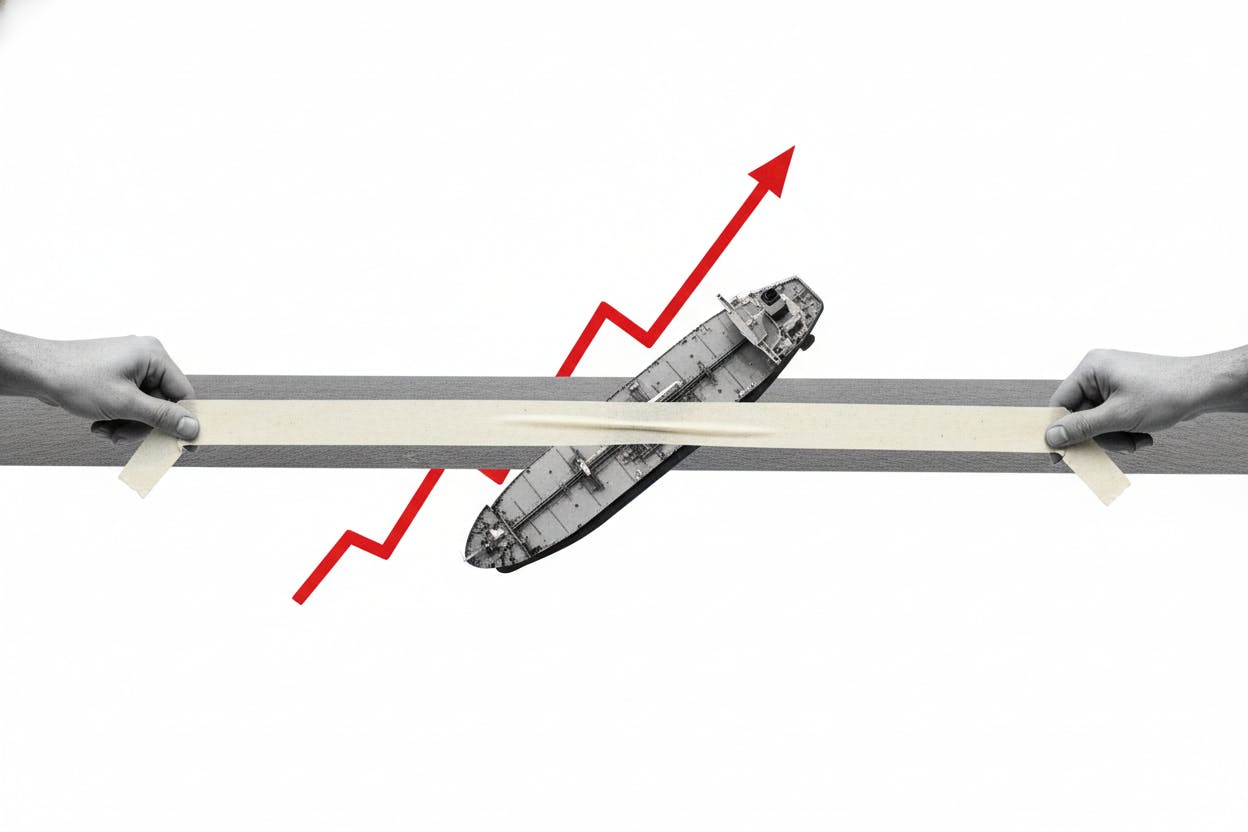
US stock futures edged higher on Tuesday, but the gains were modest as investors weighed a diplomatic standoff that could keep oil prices elevated. The focus was on the Strait of Hormuz, a critical shipping lane for global crude, where talks between the US and Iran appear to be moving slowly.
Oil and yields move in tandem
West Texas Intermediate crude climbed 2% to $83.77 a barrel, while Brent, the international benchmark, rose 1.8% to $89.30. The moves reflect growing uncertainty about the security of oil shipments through the strait, which handles a significant portion of the world's petroleum. ING, a Dutch bank, noted that prices are being supported by the unresolved situation in the region.
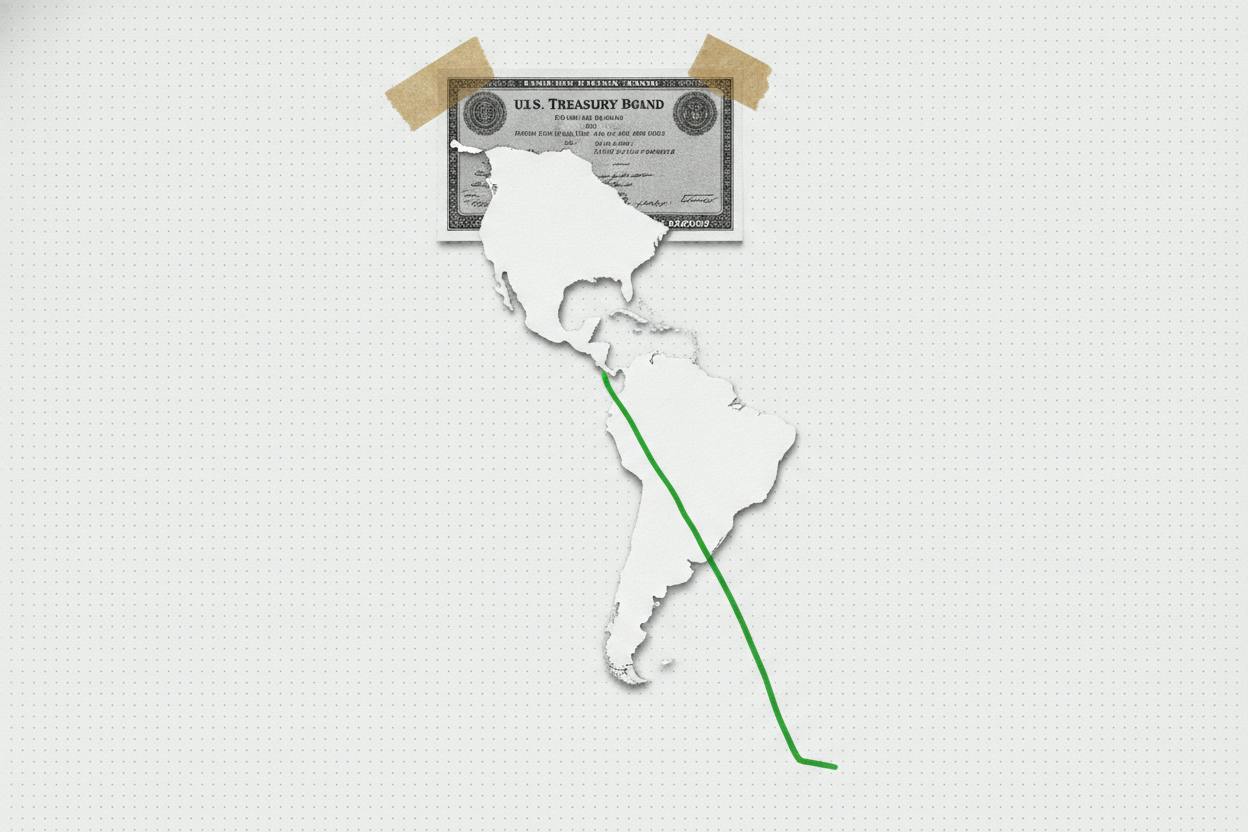
At the same time, Treasury yields ticked higher, a sign that investors are adjusting to the possibility of sustained inflationary pressure from higher energy costs. When oil prices rise, they can feed into broader price increases, which in turn influence expectations for interest rates.
Diplomatic demands complicate the picture
The diplomatic back-and-forth is adding to the uncertainty. President Donald Trump said he wants compensation tied to Americans harmed in the region, a demand that appears to have complicated negotiations. Iran, for its part, has its own set of conditions, making a quick breakthrough look less likely.
For markets, the key question is whether the two sides can reach an agreement that would ease fears of disruption to oil flows. Any sign of progress could pull oil prices down, while a breakdown could push them higher.
What it means for investors
For everyday investors, the immediate takeaway is that higher oil prices can ripple through the economy. They can raise costs for transportation and manufacturing, which may squeeze corporate profit margins. They also tend to push up inflation, which could prompt central banks to keep interest rates higher for longer.
That backdrop explains why stock gains were muted despite the positive open. Investors are balancing the prospect of a strong economy against the risk that energy costs and interest rates could weigh on growth.
In Asia, markets showed similar caution. Hong Kong stocks slipped as oil climbed and US inflation data loomed, while Chinese stocks also fell as the US-Iran talks stalled, though a local IPO surged. The pattern underscores how the Hormuz situation is a global concern, not just a regional one.
Elsewhere, UAE stocks slipped on the same compensation demand, highlighting the direct impact on Gulf markets. And oil's recent jump pressured Australian stocks ahead of a central bank decision, showing how energy prices are influencing markets far from the strait.
What to watch next
Investors will be watching for any updates from the negotiations, as well as upcoming economic data that could shed light on inflation and the path of interest rates. The situation in the Strait of Hormuz remains fluid, and any escalation could quickly change the market's mood.
For now, the cautious tone suggests that investors are not ready to bet on a quick resolution. The modest gains in stocks reflect hope, but the higher oil prices and yields reflect the reality that the path forward is far from clear.