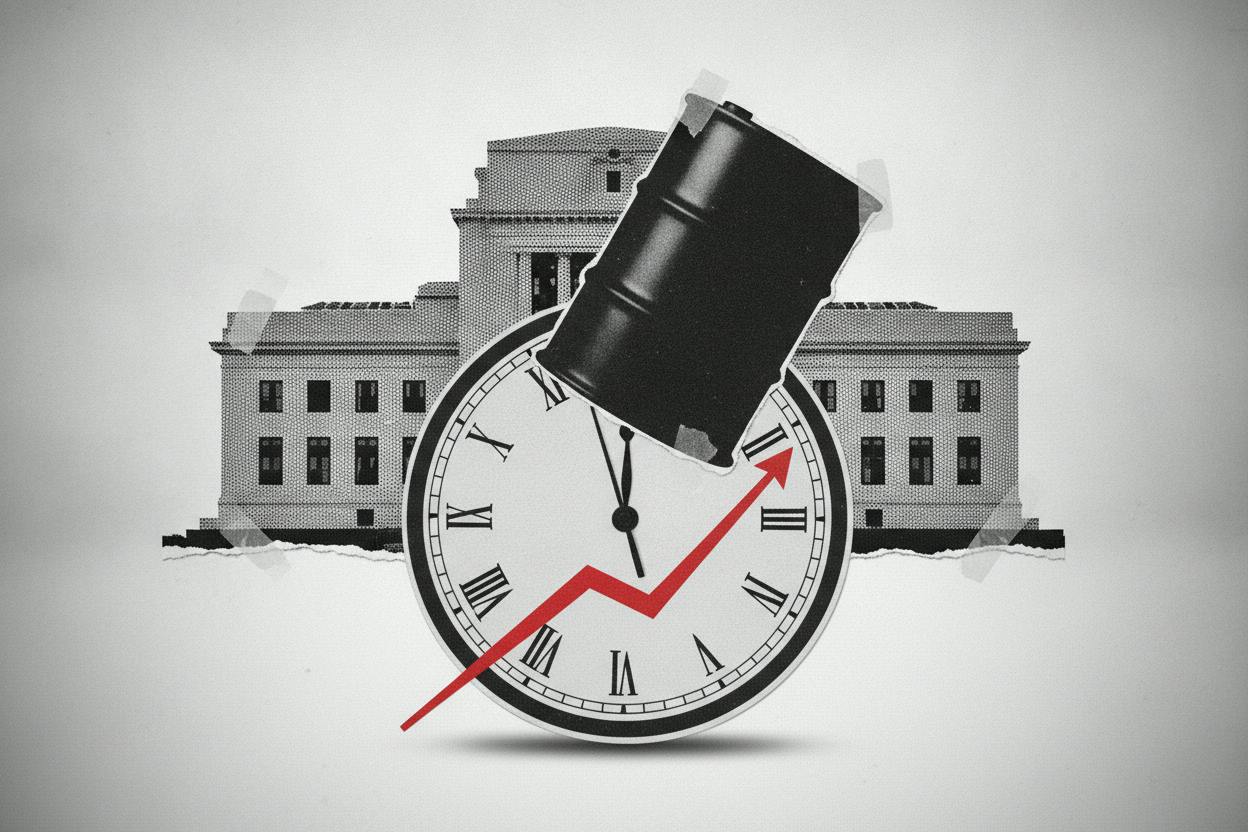
US stock futures were barely moving on Tuesday, as investors held their breath ahead of a busy stretch of market events. Oil prices hovering near six-week highs, a slate of megacap earnings, and the Federal Reserve's rate decision on Wednesday all combined to keep trading ranges tight.
The muted start to the session reflects a market in wait-and-see mode. With little fresh economic data on the calendar, traders are focused on what comes next: the central bank's policy announcement and the latest quarterly results from some of the biggest names in tech.
Oil's climb adds to inflation worries
Crude oil has been creeping higher, with prices now sitting near levels not seen since late April. The rise in energy costs is a double-edged sword for investors. On one hand, it can signal strong demand and a healthy economy. On the other, it feeds into inflation, which is exactly what the Federal Reserve has been trying to bring down.
Higher oil prices can push up costs for everything from gasoline to shipping, and that can show up in consumer prices. For everyday investors, that means the cost of living could stay elevated, and it could also influence how aggressively the Fed cuts interest rates later this year.
The recent move in oil is also a reminder that energy markets remain sensitive to geopolitical tensions and supply disruptions. Any further spike could add more pressure to the inflation picture, making the Fed's job harder.
Megacap earnings in focus
Alongside the Fed, investors are watching the latest earnings reports from some of the largest US companies. These megacap firms—think the biggest names in technology and consumer goods—carry enormous weight in the major stock indexes. Their results can move the entire market, so traders tend to sit on their hands until the numbers are out.
The AI trade, which has been a major driver of stock gains over the past year, has cooled recently. That means investors are paying closer attention to whether these companies can deliver on their lofty expectations. If earnings disappoint, it could trigger a broader selloff, especially in the tech-heavy indexes.
On the other hand, strong results could reignite enthusiasm and push stocks higher. The key is not just whether companies beat estimates, but what they say about the future. Guidance and commentary about demand, costs, and AI spending will be scrutinized closely.
What the Fed decision means for your money
Wednesday's rate decision is the main event for markets this week. The Federal Reserve has been on a path of cutting interest rates, but the pace and size of those cuts are up for debate. Investors are looking for clues about how much further rates will fall and how quickly.
Lower interest rates tend to be good for stocks, because they reduce borrowing costs for companies and make bonds less attractive compared to equities. But if the Fed signals that it will keep rates higher for longer, that could weigh on stock prices.
For everyday investors, the Fed's decision affects more than just the stock market. It influences mortgage rates, credit card interest, and savings account yields. A rate cut could mean cheaper loans but lower returns on cash. The opposite is true if rates stay high.
The central bank's statement and the accompanying press conference will be parsed for any hints about future moves. Investors will also be watching the so-called "dot plot," which shows where Fed officials expect rates to go in the coming years.
Global markets feel the ripple effects
The wait for the Fed decision is not just a US story. Markets around the world are also on edge, as the dollar's moves and US rate expectations have global consequences. A stronger dollar can hurt emerging market stocks and commodities, while a weaker dollar can boost them.
In Asia, stocks have been mixed, with tech shares under pressure as the AI trade cools. European markets are also subdued, with investors eyeing the UK budget and the Fed's signal. The interconnected nature of global markets means that what happens in Washington can be felt from Tokyo to London.
For investors with international exposure, the Fed's decision could have a direct impact on their portfolios. Currency fluctuations and global growth expectations are all tied to the central bank's policy path.
What to watch next
Beyond the Fed and earnings, investors will be keeping an eye on oil prices and any geopolitical developments that could affect supply. The energy market has been a wildcard this year, and any major move could shift the outlook for inflation and growth.
Also on the radar are upcoming economic data releases, including jobs numbers and consumer spending figures. These will provide more clues about the health of the economy and whether the Fed's policy is having the desired effect.
For now, the market is in a holding pattern. The next few days are likely to bring more clarity, but also more volatility. As always, it's important for investors to stay diversified and focus on the long term, rather than getting caught up in day-to-day swings.