Emerging-market stocks mostly rose on Tuesday, with technology shares leading the charge after AI startup Anthropic filed for a US initial public offering. But the upbeat mood was tempered by a sharp selloff in Brazil following its election shock and by caution ahead of this week's interest-rate decisions from the US Federal Reserve and the European Central Bank.
The day's trading showed a market split between optimism over artificial intelligence and anxiety over political and monetary policy risks. In Asia, South Korea's tech-heavy Kospi index jumped about 3%, while MSCI's broad emerging-markets equity index climbed roughly 0.9%, according to the source brief. Investors seized on fresh AI enthusiasm tied to Anthropic, the company behind the Claude chatbot, whose IPO filing signals another major player entering the public markets.
Anthropic's IPO filing fuels AI optimism
Anthropic's decision to file for a US IPO is a significant moment for the AI sector. The company, known for its Claude chatbot, is one of the most prominent AI startups, and its move to go public adds to a wave of tech listings that have drawn investor attention. The filing suggests that Anthropic believes it can meet the rigorous disclosure and financial reporting standards of a public company, which often boosts confidence in the broader AI ecosystem.
For emerging markets, the AI connection is particularly strong in Asia, where many companies supply chips, components, and software for AI development. South Korea's Kospi, home to major semiconductor and tech firms, benefited directly from this sentiment. The Kospi's 3% jump was a standout, but similar ripples were felt across other Asian markets, including Tokyo's chip stocks and Australian shares, where tech and commodity names both gained.
However, not all markets shared the enthusiasm. Chinese stocks slipped as an AI-related selloff outweighed profit gains and central bank support, highlighting that the AI trade is not uniform across the region.
Brazil's election shock rattles investors
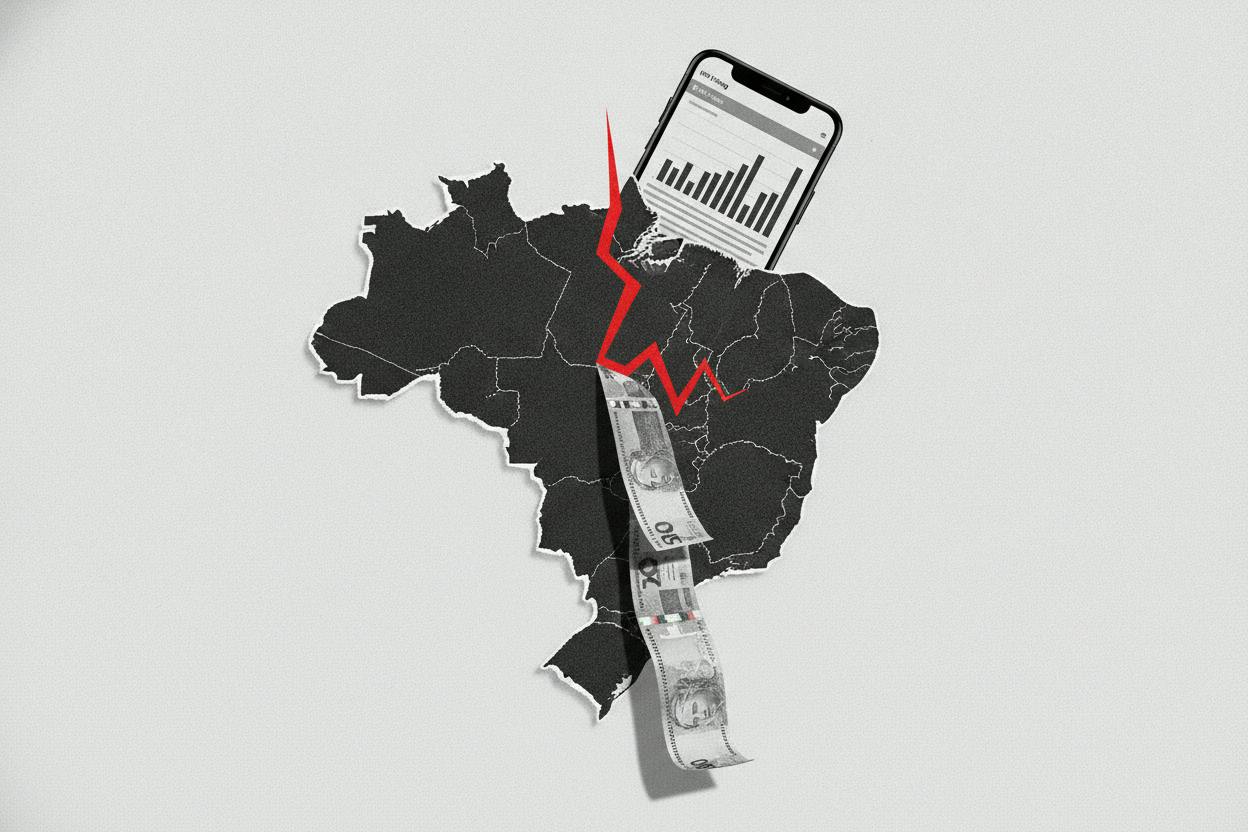
While tech stocks rallied, Brazil's market faced a different reality. The country's election results delivered a surprise that spooked investors, leading to a selloff. Political uncertainty is a classic driver of market volatility, especially in emerging economies where policy direction can shift sharply with leadership changes. Investors worry about fiscal discipline, regulatory changes, and the overall business climate.
The Brazilian selloff serves as a reminder that emerging-market investing carries unique risks. Political events can have an outsized impact on asset prices, and elections are often flashpoints. For everyday investors, this means that a diversified portfolio should account for such volatility, and that single-country bets can be particularly risky.
Central bank decisions loom large
Adding to the cautious tone were the upcoming policy meetings of the US Federal Reserve and the European Central Bank. Both are expected to announce interest-rate decisions this week, and their statements will be scrutinized for clues about future policy paths. Higher interest rates in developed economies tend to pull capital away from emerging markets, as investors seek safer, higher-yielding assets. Conversely, signals of rate cuts can boost emerging-market assets.
The Fed's decision is especially important because the US dollar's strength or weakness directly affects emerging-market currencies and debt. A hawkish Fed could put pressure on emerging-market currencies, while a dovish stance could provide relief. Similarly, the ECB's outlook influences global liquidity and risk appetite.
Investors are also watching oil prices, which have been near multi-week highs. Higher oil prices can be a double-edged sword for emerging markets: they benefit oil exporters but hurt importers, and they can feed into global inflation, complicating central bank decisions.
What it means for investors
For the average investor, Tuesday's moves illustrate the delicate balance in emerging markets. On one hand, technological innovation, particularly in AI, offers growth opportunities. On the other, political and monetary policy risks can quickly erase gains.
Anthropic's IPO filing is a positive signal for the AI sector, but it also comes with risks. The company's soaring revenue and mounting losses are typical of high-growth tech firms, and investors will need to weigh long-term potential against near-term profitability concerns.
For those with exposure to emerging-market funds or ETFs, the key takeaway is that diversification matters. The divergence between South Korea's tech rally and Brazil's selloff shows that emerging markets are not a monolith. Country-specific and sector-specific factors can drive very different outcomes.
Looking ahead, the Fed and ECB decisions will likely set the tone for the rest of the week. If they signal a more accommodative stance, emerging markets could extend their gains. If they sound hawkish, the recent rally may fade. Investors should stay informed and avoid making impulsive decisions based on a single day's move.
In summary, Tuesday's trading in emerging markets was a tale of two forces: AI optimism lifting tech stocks, and political and monetary policy worries capping gains. For everyday investors, the lesson is to understand the drivers behind market moves and to maintain a balanced, long-term perspective.