US stocks climbed sharply on Tuesday, with the Nasdaq Composite gaining 2% and the S&P 500 rising 1.1%, as investors welcomed news that the United States and Iran would send delegations to Qatar this week. The move was seen as a potential step toward easing tensions in the Middle East, even as Tehran played down the idea of direct talks.
Oil prices also edged higher, with Brent crude rising 1% to $72.73 a barrel and US crude climbing 1.7% to $70.41. The mixed signals from both sides left traders balancing hopes for diplomacy against the risk that the region remains volatile.
What's behind the mixed signals?
The US and Iran both confirmed they would send delegations to Qatar, a country that has often acted as a mediator in regional disputes. However, Iranian officials quickly downplayed expectations, suggesting that the meetings might not involve direct negotiations. This ambiguity is typical of geopolitical maneuvering, but it leaves markets uncertain about the near-term outlook.
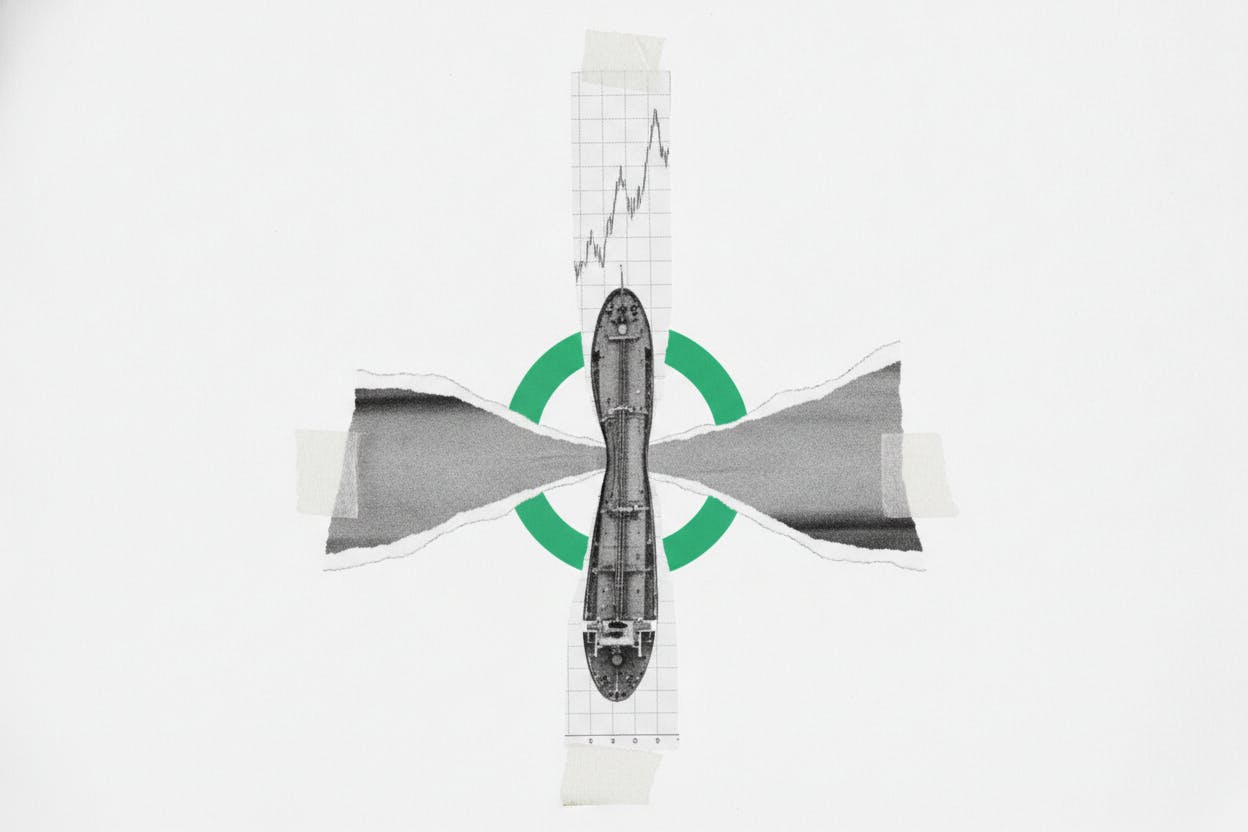
The key issue for energy markets is the Strait of Hormuz, a narrow waterway between Iran and Oman that handles about a fifth of the world's oil shipments. Any disruption there can quickly push up global oil prices. CNN reported that marine traffic through the strait has only modestly picked up recently, while Saxo Bank noted that Iran's foreign minister, Abbas Araghchi, has repeated language about Tehran's “exclusive authority over traffic” under a preliminary peace framework. Even without an actual drop in shipments, such rhetoric can add a geopolitical “risk premium” to oil prices.
Why stocks and oil rose together
It might seem odd that stocks and oil both rose on the same news. Typically, higher oil prices are a headwind for equities because they increase costs for businesses and consumers. But in this case, the stock market interpreted the news as a sign that the global economy is stable enough to absorb higher energy costs, while oil traders focused on the supply risk.
This disconnect is common when markets believe economic growth is solid but energy supply risks are rising. Big tech stocks, which are less sensitive to oil prices, led the Nasdaq higher, while sectors like airlines and shipping—which are more exposed to fuel costs—lagged. The broader market's move suggests investors are betting that diplomacy will eventually succeed, even if the path is bumpy.
What it means for investors
For everyday investors, the key takeaway is that oil prices are now pricing in a risk premium tied to the Strait of Hormuz. That means any headline about US-Iran talks—or the lack of them—could cause short-term swings in energy prices and related stocks.
Refiners, airlines, and other big fuel buyers often lock in supplies or buy call options (contracts that gain value if oil rises) to protect their budgets. That extra hedging demand can push up near-term oil prices, even if actual supply hasn't changed. If the Qatar trip fails to reduce tensions quickly, front-month oil and short-dated oil options could remain volatile.
Investors should also watch how this plays out in the options market. Implied volatility—the market's expectation of future price swings—tends to rise near the front of the oil futures curve when traders pay for short-dated insurance. That can create opportunities for those who understand options, but it also means more headline-driven moves in energy ETFs and related stocks.
Broader market context
The stock market's rally on Tuesday was broad-based, with the Nasdaq leading thanks to strength in big tech. This follows a period of uncertainty driven by trade tensions and mixed economic data. The US-Iran news provided a catalyst for risk-on sentiment, but the underlying trend remains tied to interest rate expectations and corporate earnings.
For context, the S&P 500 has been trading near record highs, supported by resilient corporate profits and hopes that the Federal Reserve will cut rates later this year. The tech-heavy Nasdaq has been particularly strong, driven by enthusiasm around artificial intelligence and cloud computing. The tech and chip stocks that led Tuesday's rally are a reminder of how sector-specific factors can drive broader market moves.
Meanwhile, European markets were mixed, with tech gains offset by a construction slide, as noted in European stocks flat as tech gains offset by construction slide. The ECB's Sintra forum is in focus for clues on future rate policy. In the UK, stocks dipped as Middle East tensions rattle markets, while Bridgepoint surged on a $1.4 billion deal.
What to watch next
Investors will be watching for any concrete outcomes from the Qatar talks. If progress is made, oil prices could quickly give back their risk premium, benefiting sectors like airlines and shipping. If talks stall, the risk premium could persist or even grow, keeping energy stocks elevated and pressuring fuel-sensitive industries.
For now, the market is treating the situation as manageable, but the mixed signals from Tehran suggest that volatility could return quickly. As always, diversification and a long-term perspective remain the best tools for navigating geopolitical uncertainty.