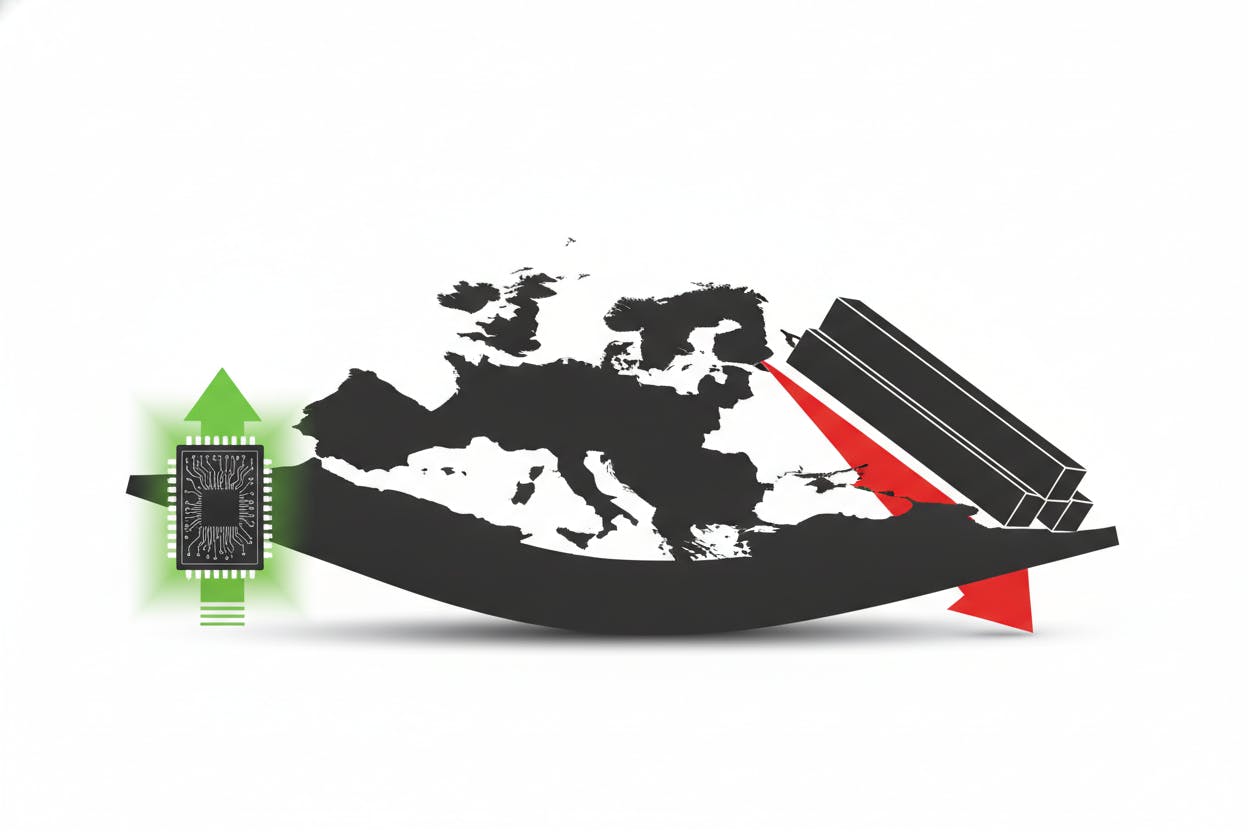
European stocks ended Tuesday with little change, as a rebound in technology shares was offset by a sharp decline in construction and materials stocks. The pan-European STOXX 600 index finished nearly flat, masking significant sector-level moves beneath the surface.
Investors were juggling several cross-currents: a tentative US-Iran ceasefire that helped ease geopolitical tensions, a renewed bid for AI-related tech stocks, and growing anticipation of the European Central Bank's annual policy retreat in Sintra, Portugal, later this week.
Tech Rebounds, Construction Sinks
Technology stocks bounced back after a recent stumble, lifted by the broader AI theme that has driven much of the market's momentum this year. The sector's gains helped keep the STOXX 600 from falling into negative territory, even as other parts of the market struggled.
Construction and building-materials firms, by contrast, took a hit. Heidelberg Materials dropped after flagging a weak second quarter, a reminder that higher borrowing costs can bite cyclical businesses quickly. The company's warning underscored how rate-sensitive sectors are feeling the pinch from elevated interest rates, even as the broader index holds steady.
The divergence between tech and construction highlights a key dynamic in European markets: while excitement about artificial intelligence and new chip technologies can lift a handful of stocks, the broader economy—and the companies that depend on cheap credit and long-dated projects—remains under pressure from tighter monetary policy.
ECB Sintra Meeting in Focus
All eyes are now on the ECB's annual forum in Sintra, Portugal, which kicks off later this week. The gathering of central bankers, economists, and policymakers is often a venue for signaling shifts in monetary policy. Traders will be parsing speeches and comments for clues about the ECB's next move on interest rates.
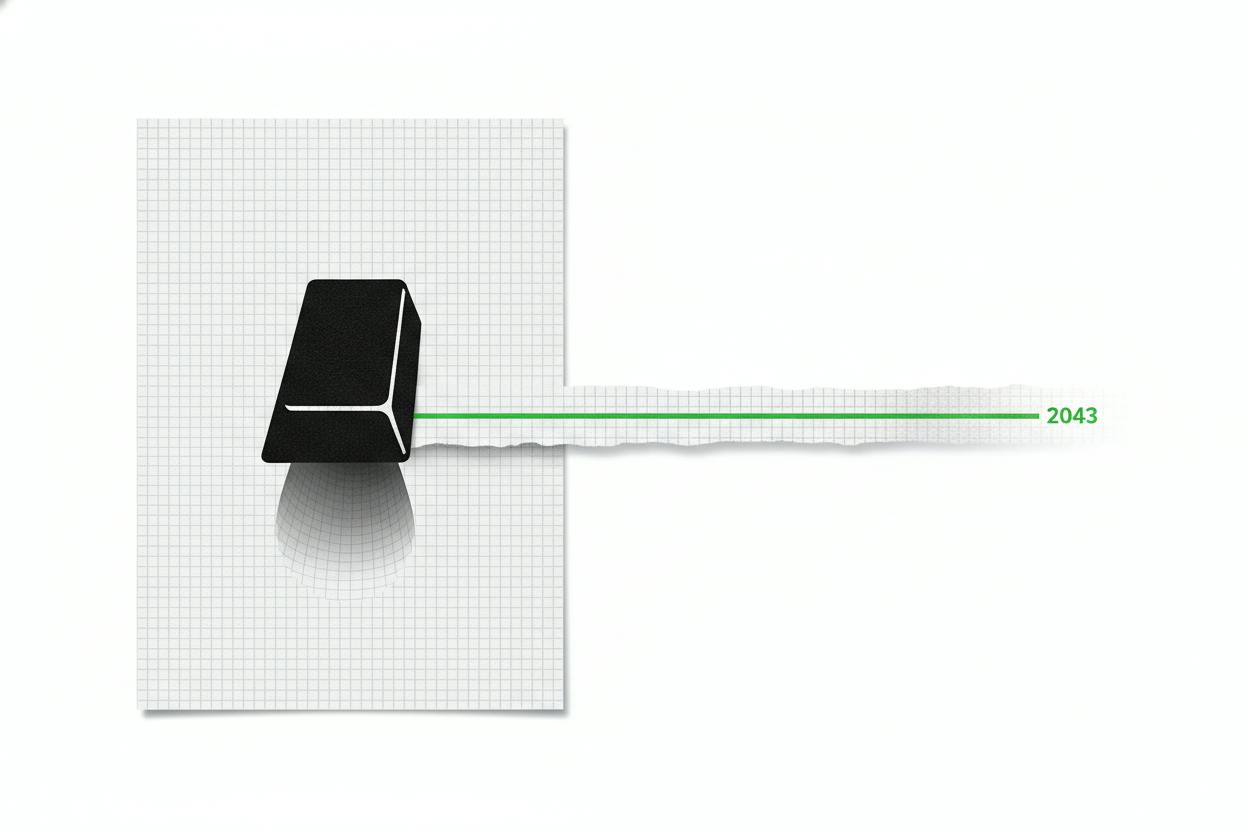
According to LSEG market pricing, investors currently expect one more quarter-point rate hike from the ECB later this year. If officials at Sintra lean more hawkish than anticipated—suggesting further tightening or a slower pace of cuts—markets may quickly reprice the path for interest rates. That would raise the "discount rate" investors use to value future profits, potentially weighing on stock valuations, and could also lift real-world financing costs for projects and mortgages.
The Sintra meeting comes at a delicate time for European markets. Inflation has eased from its peak but remains above the ECB's 2% target, while economic growth has been sluggish. The central bank has already raised rates several times, and any hint that it is not done yet could rattle rate-sensitive sectors.
US-Iran Ceasefire: A Fragile Calm
Geopolitical tensions also remained in focus, as traders weighed the durability of a US-Iran ceasefire. The truce, which helped ease fears of a broader conflict in the Middle East, has contributed to a calmer tone in markets in recent days. However, analysts caution that the ceasefire remains fragile, and any breakdown could quickly reignite volatility, particularly in oil prices and regional equities.
The impact of the ceasefire has been felt across global markets. In Asia, Hong Kong stocks surged as the talks eased oil disruption fears, while Gulf stocks dipped as strains overshadowed positive news from Aramco. In Europe, the STOXX 600's flat close suggests investors are taking the ceasefire in stride for now, but the situation bears watching.
What It Means for Investors
For everyday investors, the key takeaway is that a flat index can hide significant sector-level moves. The STOXX 600's lack of movement on Tuesday belied a sharp divergence between tech and construction stocks—a divergence that reflects competing forces in the market.
On one hand, the AI rally continues to provide a tailwind for technology shares, driven by optimism about new chips, software, and productivity gains. On the other hand, rate-sensitive sectors like construction and materials are feeling the weight of higher borrowing costs, which can squeeze profit margins and slow down new projects.
"One more 25-basis-point ECB hike is a bigger deal for construction than for the STOXX 600," as the market's pricing suggests. If investors shift their view of where ECB rates are headed, the first place you'll often see it is in businesses that rely on cheap credit and long-dated projects. Higher expected rates can mean pricier project financing and tighter real-estate lending, which tends to hit construction and materials firms before it shows up in the broad index.
That's why days that look quiet for the STOXX 600 can still bring big moves in Europe's rate-sensitive cyclicals, even with tech catching an AI-driven bid. For investors, understanding these under-the-surface dynamics is crucial for navigating a market that is far from uniform.
Looking ahead, the Sintra meeting and any developments on the US-Iran ceasefire will be key catalysts. A more hawkish ECB could pressure rate-sensitive stocks further, while a breakdown in the ceasefire could reignite geopolitical risk premiums. Conversely, dovish signals from Sintra or a durable truce could provide a boost to cyclicals and keep the tech rally going.
As always, the key is to stay informed and understand how macro forces—whether central bank policy or geopolitical events—ripple through different sectors of the market.