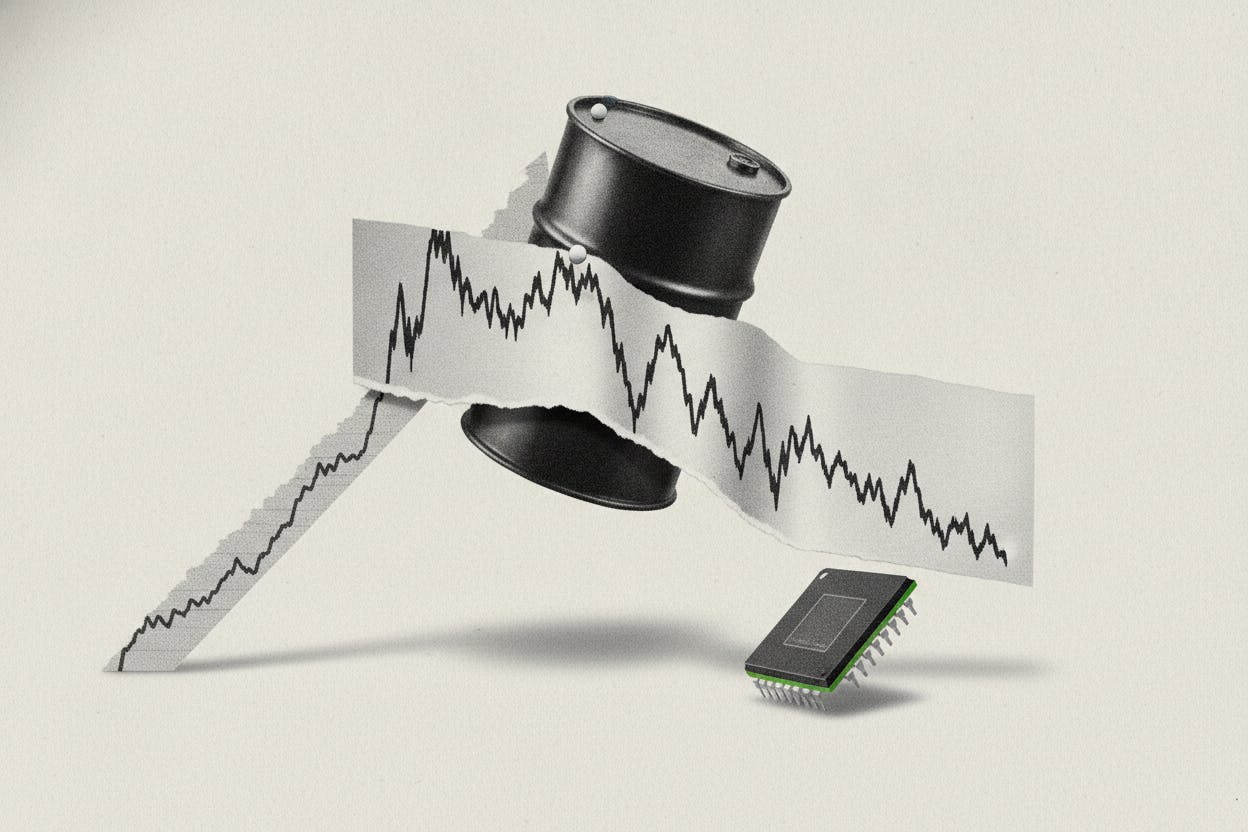
US stocks edged lower on Thursday, as a 3.5% jump in crude oil prices and a climb in government bond yields weighed on investor sentiment. The moves came even as semiconductor-focused exchange-traded funds (ETFs) managed to outperform the wider market, offering a bright spot in an otherwise cautious session.
What's driving the market?
The combination of rising oil prices and higher bond yields can be a double-edged sword for equities. When energy costs go up, it feeds into inflation expectations, which in turn can push bond yields higher. Investors then often demand a greater return for holding riskier assets like stocks, making them less attractive relative to safer government bonds.
This dynamic is particularly tough on so-called “long-duration” stocks—companies whose valuations rely heavily on profits expected many years into the future. Because higher interest rates reduce the present value of those future cash flows, these stocks tend to feel the pinch more than others. Think of it like this: a dollar earned in 2035 is worth less today when interest rates are high, so investors are less willing to pay a premium for that distant income.
The 3.5% rise in crude is notable, as energy is a key input across the economy. Higher oil prices can squeeze margins for businesses that depend on transportation or manufacturing, and they can also hit consumers' wallets at the pump, potentially dampening spending elsewhere.
Semiconductors stand out
Despite the overall downward drift, semiconductor ETFs managed to outperform the broader market. This sector has been a focal point for investors in recent months, driven by enthusiasm around artificial intelligence and the chips that power it. While the broader market struggled with rate and oil worries, chip stocks found some support, possibly as investors rotated into areas with strong growth narratives.
The outperformance is a reminder that not all stocks move in lockstep. Even when the major indexes are down, individual sectors can shine. For everyday investors, this underscores the value of diversification—having exposure to different industries can help cushion the impact of a broad market dip.
What it means for investors
For the average investor, Thursday's moves are a good illustration of how interconnected global markets are. Oil prices, bond yields, and stock valuations are all linked, and shifts in one can quickly ripple through the others.
If you're holding a diversified portfolio, a day like this is unlikely to change your long-term outlook. But it's worth paying attention to the trend: if oil and yields keep climbing together, it could signal a period of tighter financial conditions, which might slow economic growth and put more pressure on stocks, especially those in the tech and growth categories.
On the other hand, the semiconductor strength suggests that some pockets of the market still have momentum. Investors might watch whether this resilience continues or fades as the macro environment evolves.
For context, similar dynamics have played out in other regions. European stocks recently hit record highs as strong earnings offset oil and rate concerns, showing that corporate results can sometimes trump macro headwinds. Meanwhile, Asian tech stocks have slid as the AI rally cools, a reminder that sector momentum can be fickle.
Looking ahead, investors will likely keep an eye on oil supply news, central bank signals, and any data that might influence the path of interest rates. Central banks around the world are navigating similar trade-offs between inflation and growth, and their decisions will continue to shape market conditions.
As always, it's important to remember that short-term market moves are normal. A single day's dip doesn't necessarily signal a longer trend. Staying focused on your investment goals and maintaining a well-balanced portfolio remains the most reliable strategy for most people.