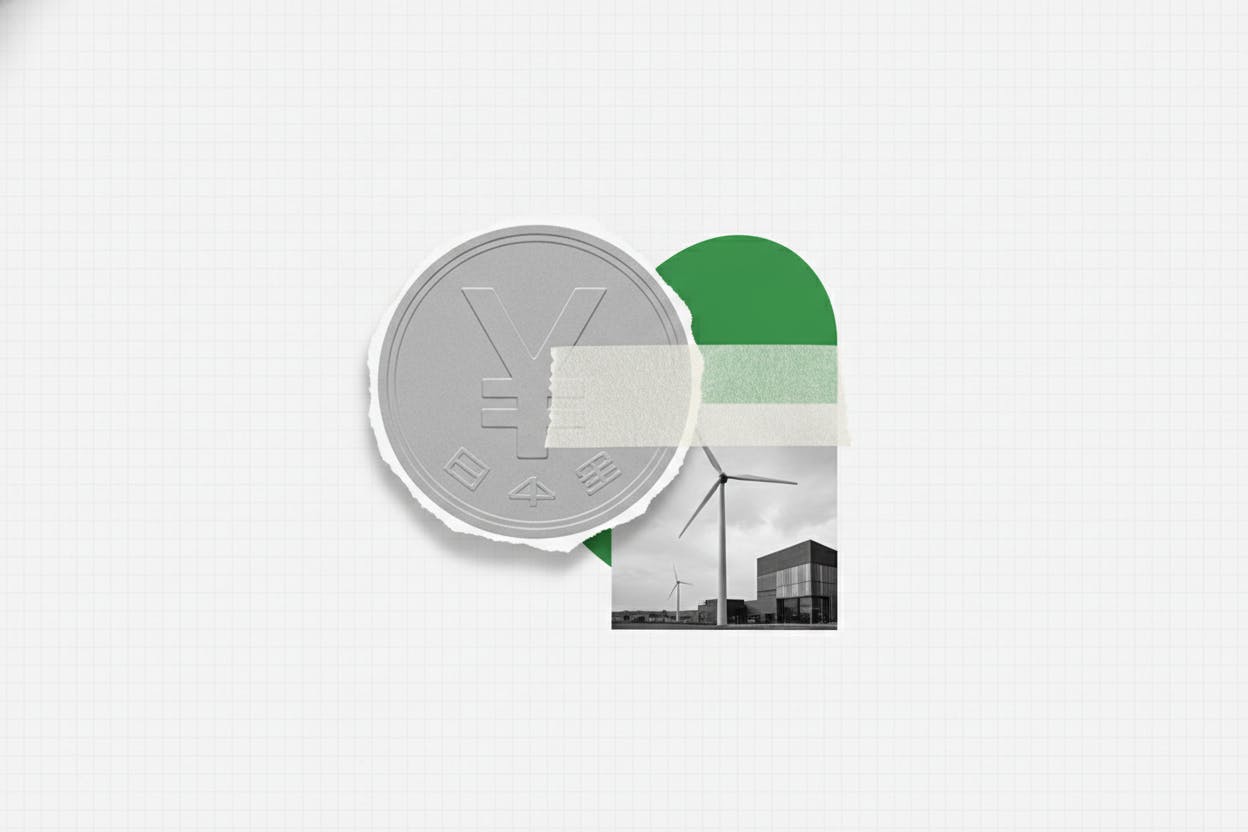
Sumitomo Mitsui Trust Bank, one of Japan's largest trust banks, is making a significant bet on infrastructure investing. The bank will take a 15% stake in Morrison, a global infrastructure investment firm, and commit $500 million to the partnership. The move is part of a broader strategy to channel more Japanese capital into infrastructure projects worldwide while also attracting foreign investment into Japan.
What the Deal Involves
Under the agreement, Sumitomo Mitsui Trust Bank (SuMi TRUST) will acquire a minority stake in Morrison, a firm that specializes in managing and investing in infrastructure assets such as roads, bridges, energy grids, and utilities. The $500 million commitment will be used to fund infrastructure projects globally, with a focus on opportunities that align with both firms' expertise.
Morrison, which has a track record of investing in essential infrastructure, will gain access to SuMi TRUST's extensive network in Japan. This could help Morrison tap into Japanese institutional investors, such as pension funds and insurance companies, who are increasingly looking for stable, long-term returns from infrastructure assets.
Why Infrastructure Is Attracting Japanese Capital
Infrastructure investments are known for their steady, predictable cash flows and long-term growth potential. For Japanese investors, who have long faced low interest rates at home, global infrastructure offers an attractive alternative to domestic bonds and other low-yielding assets. The Bank of Japan's ultra-loose monetary policy has kept yields low for years, pushing institutions like SuMi TRUST to seek higher returns abroad.
At the same time, Japan is trying to attract foreign capital into its own infrastructure projects, from renewable energy to transportation upgrades. The partnership with Morrison could help bridge that gap, bringing international expertise and funding to Japanese projects.
This trend is not unique to Japan. Globally, infrastructure investing has surged as governments and private firms seek to upgrade aging assets and build new ones to support economic growth. For context, similar moves have been seen in other markets, such as the recent shortlisting of three infrastructure giants for a €1 billion Italian waste firm, highlighting the global appetite for infrastructure deals.
What It Means for Investors
For everyday investors, this deal signals growing confidence in infrastructure as an asset class. Infrastructure investments often provide stable returns that are less correlated with stock market swings, making them a popular choice for diversification. However, individual investors typically cannot directly invest in such private deals. Instead, they might look at infrastructure-focused exchange-traded funds (ETFs) or mutual funds that offer exposure to similar assets.
The partnership also underscores the importance of cross-border capital flows. As Japanese institutions like SuMi TRUST invest abroad, they help fund projects that can boost economic activity in other countries. Conversely, foreign investment in Japan could support local infrastructure development, potentially benefiting Japanese companies and the broader economy.
Investors should note that infrastructure investing carries risks, including regulatory changes, construction delays, and economic downturns that can affect project revenues. But for those with a long-term horizon, it can be a way to tap into essential services that people rely on every day.
Broader Market Context
The deal comes at a time when infrastructure spending is a key theme globally. Governments are investing heavily in green energy, digital infrastructure, and transportation to meet climate goals and boost productivity. In the UK, for example, recent data showed that the construction PMI edged up to 38.4 in June, though housing and infrastructure remain in a deep slump, highlighting the need for more investment.
Meanwhile, other sectors are also seeing capital flows. For instance, Blue Owl Capital shares jumped 5.4% after a fund bought a minority stake in the Cleveland Cavaliers, showing that alternative assets like sports teams are also attracting institutional money. But infrastructure remains a core focus for many investors seeking stable, long-term returns.
Looking Ahead
The success of this partnership will depend on how effectively SuMi TRUST and Morrison can identify and execute infrastructure projects that deliver returns. Investors will watch for announcements of specific projects funded by the $500 million commitment, as well as any signs of increased Japanese capital flowing into global infrastructure.
For now, the deal represents a vote of confidence in infrastructure as a cornerstone of modern investing. As the world rebuilds and upgrades its infrastructure, partnerships like this one could become more common, offering opportunities for both institutional and retail investors to participate in the growth of essential assets.