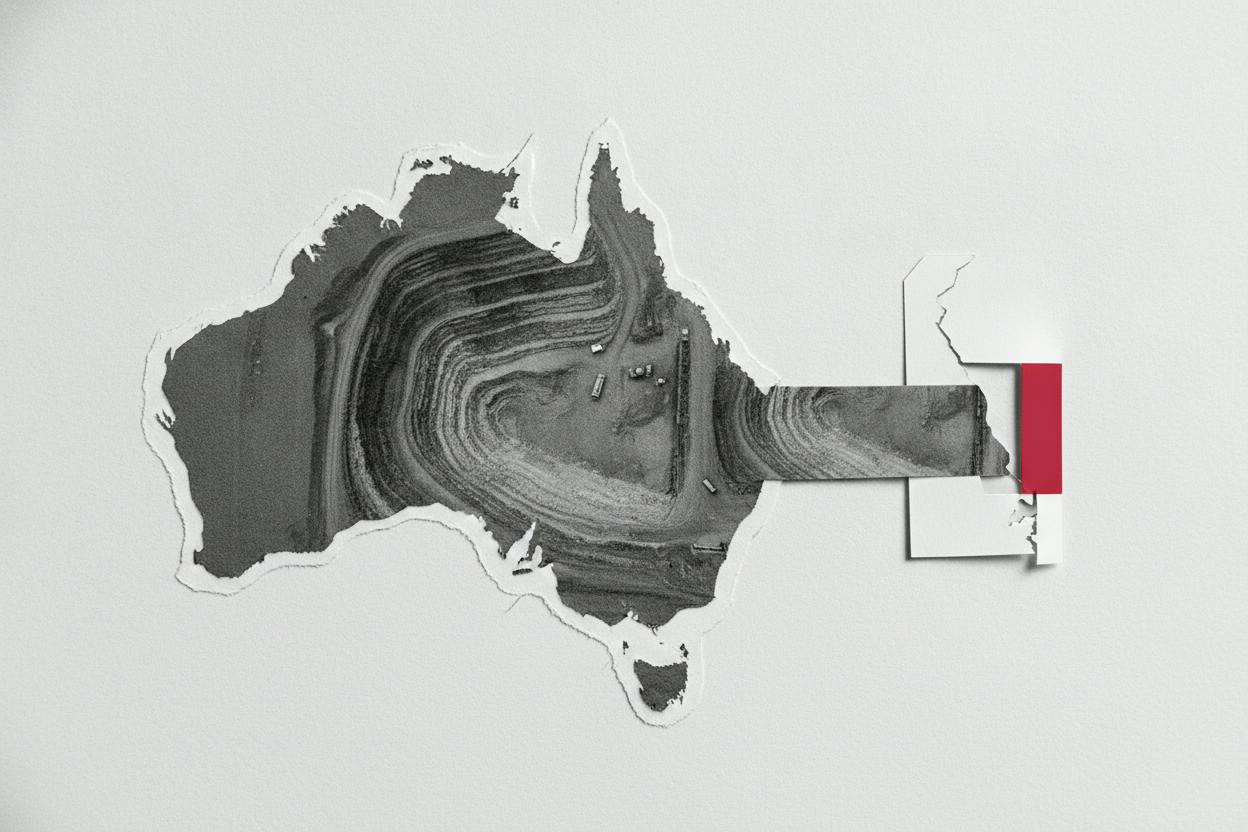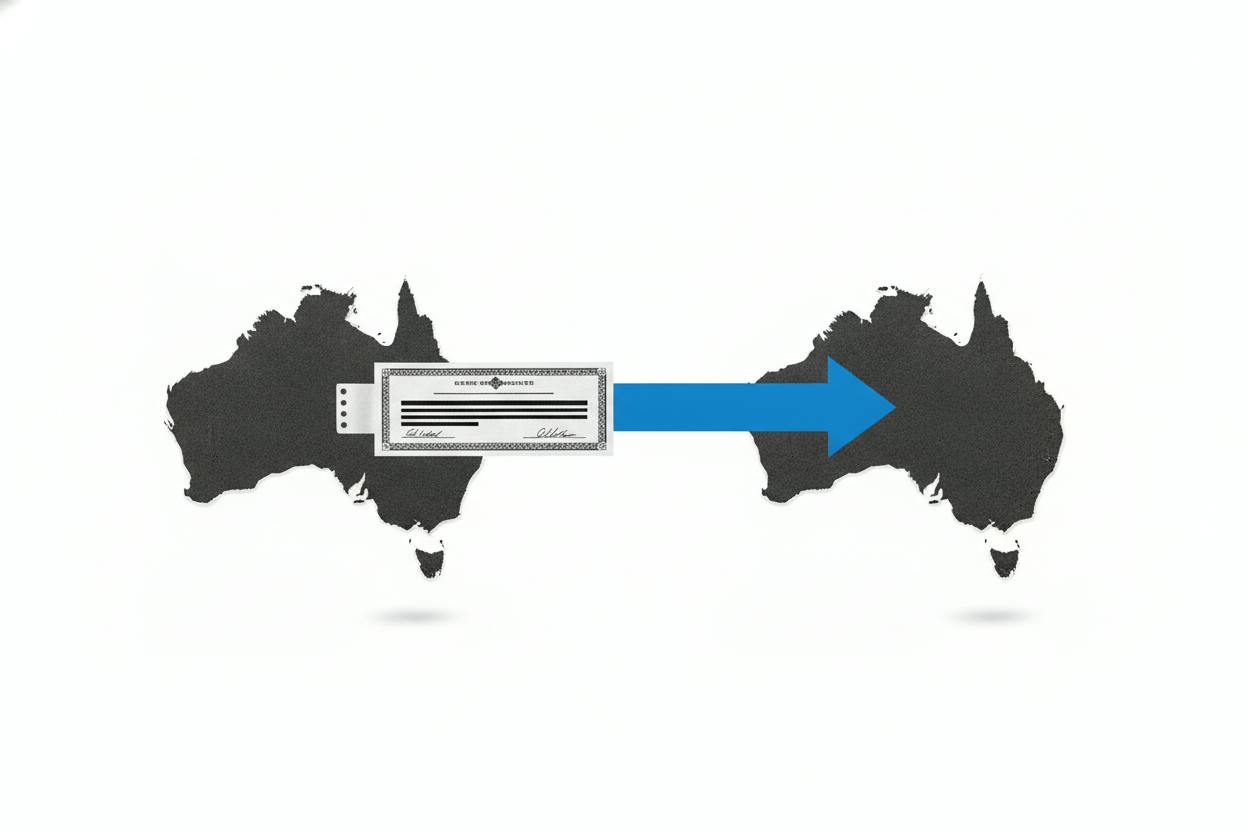
Sunrise Energy Metals, an Australia-based mining company, has announced plans to relocate its corporate headquarters to the United States and pursue a listing on the Nasdaq stock exchange. The company intends to redomicile its parent entity to Delaware, a popular US state for corporate registration, while maintaining a presence on the Australian Securities Exchange (ASX) through depositary interests that are tied to the same underlying shares.
This dual-listing structure would allow investors to trade Sunrise Energy Metals shares on both Nasdaq and the ASX, with the ASX-traded instruments representing a beneficial interest in the US-listed stock. The move is subject to shareholder and regulatory approvals, and if completed, would mark a significant shift for the small-cap miner.
Why redomicile to the US?
Redomiciling to the US, particularly to Delaware, is a common step for companies seeking access to deeper capital markets, a broader investor base, and often a higher valuation multiple. Delaware is home to more than half of all US publicly traded companies due to its well-established corporate law and business-friendly courts. For a mining company like Sunrise Energy Metals, a US listing could attract American institutional investors who might otherwise overlook ASX-listed stocks.
The company’s focus on energy metals—likely including commodities such as lithium, nickel, or rare earths—aligns with the growing US push for domestic supply chains of critical minerals. The US government has been incentivising domestic production and processing of minerals essential for electric vehicles, batteries, and renewable energy. A US corporate home could position Sunrise to benefit from these policies and potential government contracts or subsidies.
What are CDIs and how do they work?
CDIs, or CHESS Depositary Interests, are financial instruments used on the ASX to allow Australian investors to hold and trade shares of foreign companies. They are essentially a wrapper that gives the holder beneficial ownership of the underlying foreign shares, while settlement occurs in Australia. In this case, Sunrise Energy Metals would list its primary shares on Nasdaq, and the ASX would host CDIs that track the same stock.
This structure is not new. Many companies with dual listings use CDIs to simplify cross-border trading. For Australian investors, CDIs trade in Australian dollars and settle through the ASX’s CHESS system, making them as easy to buy and sell as ordinary shares. However, CDIs may have different tax implications and voting rights compared to direct share ownership, so investors should read the fine print.
What it means for investors
For existing shareholders, the proposed move could be a double-edged sword. On one hand, a Nasdaq listing could increase liquidity, visibility, and the pool of potential buyers, potentially supporting a higher share price over time. On the other hand, redomiciliation often involves legal and administrative costs, and the company may need to adapt to US reporting standards and regulations, which can be more stringent than those in Australia.
Investors should also consider the currency risk. If the primary listing is on Nasdaq, the shares will trade in US dollars, while CDIs on the ASX will trade in Australian dollars. Fluctuations in the AUD/USD exchange rate could create arbitrage opportunities or discrepancies between the two listings, though arbitrageurs typically keep prices in line.
Moreover, the success of the move depends on market conditions and investor appetite for small-cap mining stocks. The energy metals sector has been volatile, driven by shifts in commodity prices and global demand forecasts. A US listing could help Sunrise Energy Metals tap into a more specialised investor base focused on the energy transition, but it also exposes the company to the whims of US market sentiment.
For Australian investors, the key question is whether the CDIs will remain liquid and whether the company will continue to provide clear communication to its home market. Dual-listed companies sometimes see trading volume migrate to the primary exchange, leaving the secondary listing less liquid. Sunrise Energy Metals will need to ensure that ASX investors are not disadvantaged.
The bigger picture
Sunrise Energy Metals’ plan reflects a broader trend of Australian resource companies looking to the US for capital and strategic positioning. As the global energy transition accelerates, demand for metals like lithium, copper, and rare earths is expected to rise, and companies that can access US capital and partnerships may have an edge. However, investors should weigh the potential benefits against the risks of increased complexity and regulatory burden.
The company has not yet disclosed a timeline for the move, and the proposal will require approval from shareholders and regulators in both countries. Until then, it’s business as usual for Sunrise Energy Metals on the ASX. Investors will be watching for further details on the structure, costs, and expected benefits of the redomiciliation.