Global food prices are climbing again, and the relief that consumers and central banks enjoyed from falling grocery bills may be coming to an end. According to Reuters, a combination of shipping disruptions, El Nino weather patterns, and persistently high fertilizer costs could keep pressure on staple foods well into 2027.
The warning comes as the United Nations Food and Agriculture Organization's Food Price Index averaged 136 points in September, its highest level since November 2022. The World Bank also found that food prices rose faster than overall inflation in 22% of the 150 countries it studied. That means for a growing share of the world, the cost of putting food on the table is outpacing the general cost of living.
Why food prices are rising again
For a while, strong harvests and hefty stockpiles took the edge off grocery inflation. But that buffer is thinning. Several forces are now converging to push prices up.
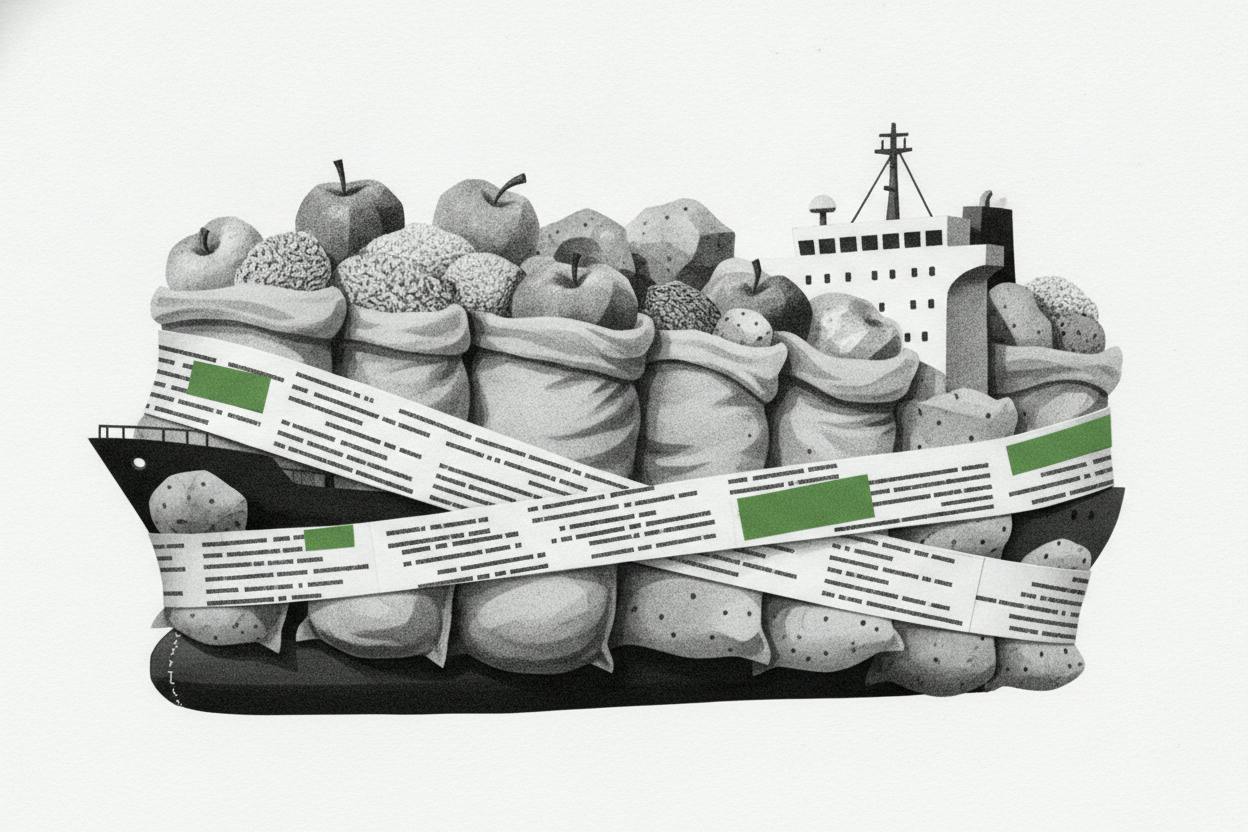
Shipping disruptions are one major culprit. Key trade routes, including the Red Sea and the Panama Canal, have faced delays and higher freight costs due to geopolitical tensions and drought-related restrictions. When it costs more to move grain, cooking oil, and other staples across the ocean, those costs eventually show up at the supermarket.
El Nino, the natural climate pattern that warms parts of the Pacific Ocean, often brings extreme weather to agricultural regions. It can mean drought in some areas and floods in others, both of which hurt crop yields. Rice, wheat, sugar, and palm oil are particularly sensitive to these shifts. The current El Nino has already disrupted harvests in parts of Asia and South America, and its effects can linger for months.
Fertilizer costs remain elevated, even after spiking sharply in 2022. Fertilizer is a major input for farmers worldwide, and when it stays expensive, farmers either pass the cost along or plant less. Both outcomes keep food prices higher for longer.
These supply-side pressures are different from the demand-driven inflation that followed the pandemic. They are harder for central banks to fix with interest rate hikes, because raising rates does not make a drought end or unclog a shipping lane.
What it means for investors
For everyday investors, the persistence of food inflation matters on several fronts.
First, it complicates the global fight against inflation. Central banks, including the Federal Reserve and the European Central Bank, have been trying to bring inflation back to their 2% targets. If food prices keep climbing, headline inflation will stay stickier, potentially delaying interest rate cuts. That affects everything from mortgage rates to the returns on savings accounts. As the Bank of Canada recently warned about oil prices, supply shocks can keep inflation elevated even when demand cools.
Second, food inflation hits consumer spending power. When households spend more on groceries, they have less to spend on discretionary items like dining out, electronics, and travel. That can weigh on the earnings of consumer-facing companies, from restaurants to retailers. Investors may want to watch how companies in these sectors manage input costs and pricing power.
Third, some sectors could benefit. Agricultural commodity producers, fertilizer makers, and shipping companies may see stronger demand or higher prices. But investors should be cautious: commodity prices are volatile, and supply shocks can reverse quickly. As Colombia's central bank noted, there are limits to how much monetary policy can address supply-driven inflation.
Food inflation also has a global dimension. Emerging markets, where food makes up a larger share of household budgets, are often hit hardest. This can lead to social unrest and political instability, which in turn can affect global markets. Investors with exposure to emerging market equities or bonds should be aware of these risks.
What to watch next
The key question is how long these supply shocks last. El Nino typically fades after a year or so, but its effects on crops can persist. Shipping disruptions depend on geopolitical events that are hard to predict. Fertilizer costs are tied to natural gas prices, which remain volatile.
Investors should also keep an eye on China's economic data, as the world's largest importer of many commodities, and on how European markets react to hotter inflation prints. If food prices stay high, central banks may be forced to keep rates higher for longer, which could pressure stock valuations.
For now, the takeaway is simple: the era of cheap groceries may be over for a while. That has implications for your wallet, your portfolio, and the global economy. As always, diversification and a long-term perspective remain your best defenses against uncertainty.