Sweden's central bank is sounding less relaxed about inflation. Riksbank Governor Erik Thedeen said on [date] that stronger-than-expected economic growth and September's inflation reading have strengthened the case for a possible rate hike in November.
The Riksbank held its key interest rate at 1.75% in September, but it also signaled that if growth stays strong and inflation risks pick up, it could move as soon as November. Thedeen is now backing up that message, while noting that higher global long-term interest rates could still weigh on Sweden through pricier borrowing and softer asset prices.
Why the Riksbank is getting nervous
Thedeen's point is that Sweden's economy isn't cooling as neatly as policymakers expected. Second-quarter growth was "unexpectedly strong and broad-based," with investment, exports, and household spending all rising. That kind of momentum can keep demand—and companies' ability to raise prices—firmer for longer.
At the same time, Statistics Sweden's preliminary figure showed CPIF inflation—the Riksbank's preferred measure, adjusted for mortgage-rate effects—at 1.5% year-on-year in September, largely because of higher energy prices. That's a reminder that inflation can re-accelerate even after a long slide.
For context, the Riksbank has been fighting inflation for over a year, raising rates from near zero to 1.75% to cool an overheating economy. The recent slowdown in price growth had led some to hope the tightening cycle was over. But the latest data suggests the battle isn't won yet.
What a November hike would mean for the krona
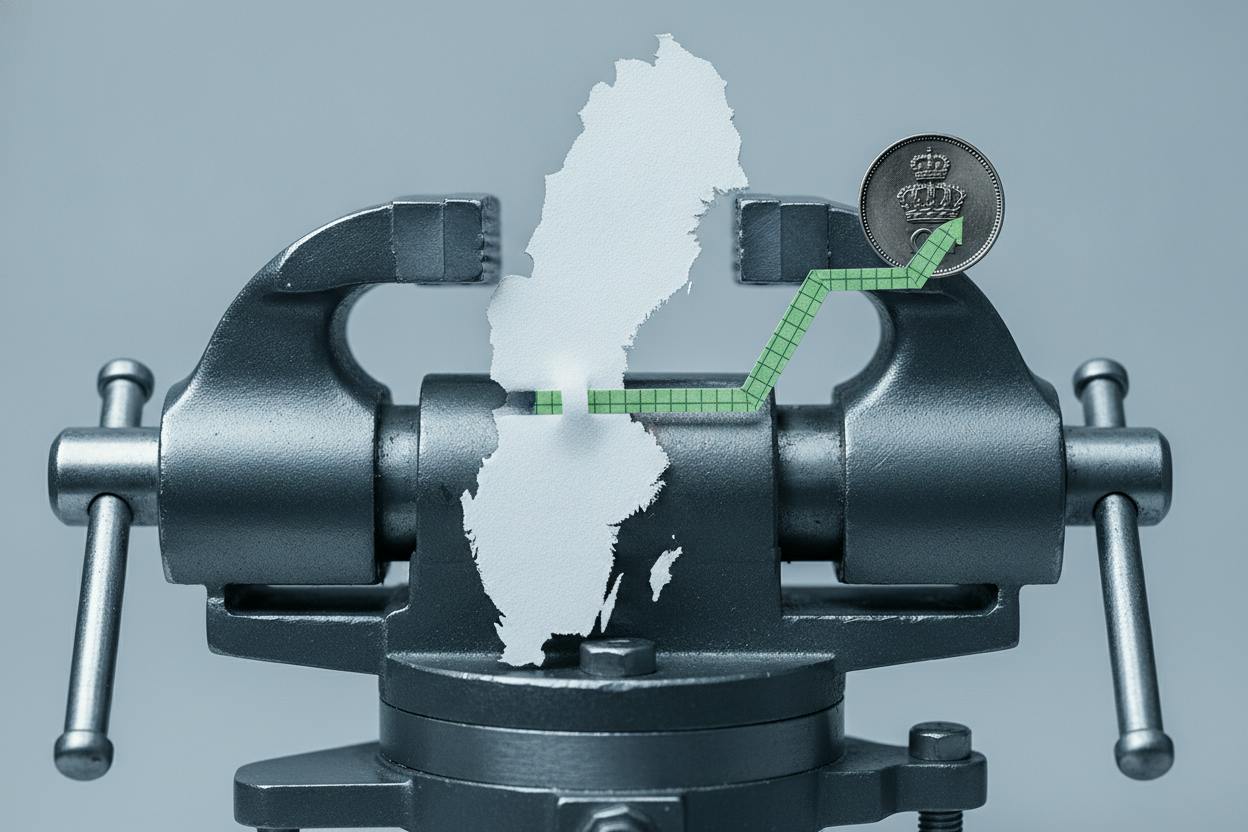
The Riksbank's 1.75% rate matters for the krona, not just mortgages. When investors think a November hike is more likely, they don't only adjust their outlook for Swedish loan rates; they also reassess Sweden's interest-rate edge versus other countries. If that gap looks set to widen, holding Swedish kronor (SEK) can become relatively more attractive, which can support the currency.
A firmer krona then feeds back into the inflation story the Riksbank is trying to control: imports like fuel, food, and manufactured goods become cheaper in SEK terms, easing imported inflation over time. That's why SEK—and SEK-priced assets that pay big costs in foreign currencies—can react even before the policy rate actually changes.
What it means for investors
For everyday investors, the key takeaway is that Sweden's rate path is not set in stone. If the Riksbank does hike in November, it could affect:
- Mortgage rates: Swedish homeowners with variable-rate loans would see their payments rise. Fixed-rate borrowers are shielded until their term ends.
- The krona: A hike could support SEK, which has been under pressure against the euro and dollar. That matters if you hold Swedish assets or plan to convert currency.
- Stock market: Higher rates can weigh on company valuations, especially for growth stocks that rely on future earnings. Exporters might benefit from a stronger krona, but domestic-focused firms could feel the pinch.
The Riksbank's dilemma is not unique. Central banks around the world are grappling with sticky inflation. In the US, consumer inflation expectations have climbed, and in Australia, the AI data center boom could keep inflation sticky. Even in Malaysia, oil price jumps are stoking inflation worries. The common thread: inflation is proving harder to tame than many hoped.
For Sweden, the next few weeks will be crucial. The Riksbank will release more data before its November meeting, including final GDP figures and updated inflation forecasts. If the economy continues to surprise on the upside, a hike looks increasingly likely. If growth cools or inflation surprises to the downside, the bank could hold off.
Either way, investors should watch the krona and Swedish bond yields for clues. A sudden move in either could signal how the market is pricing the November decision.
This article is for informational purposes only and does not constitute financial advice. Always do your own research before making investment decisions.