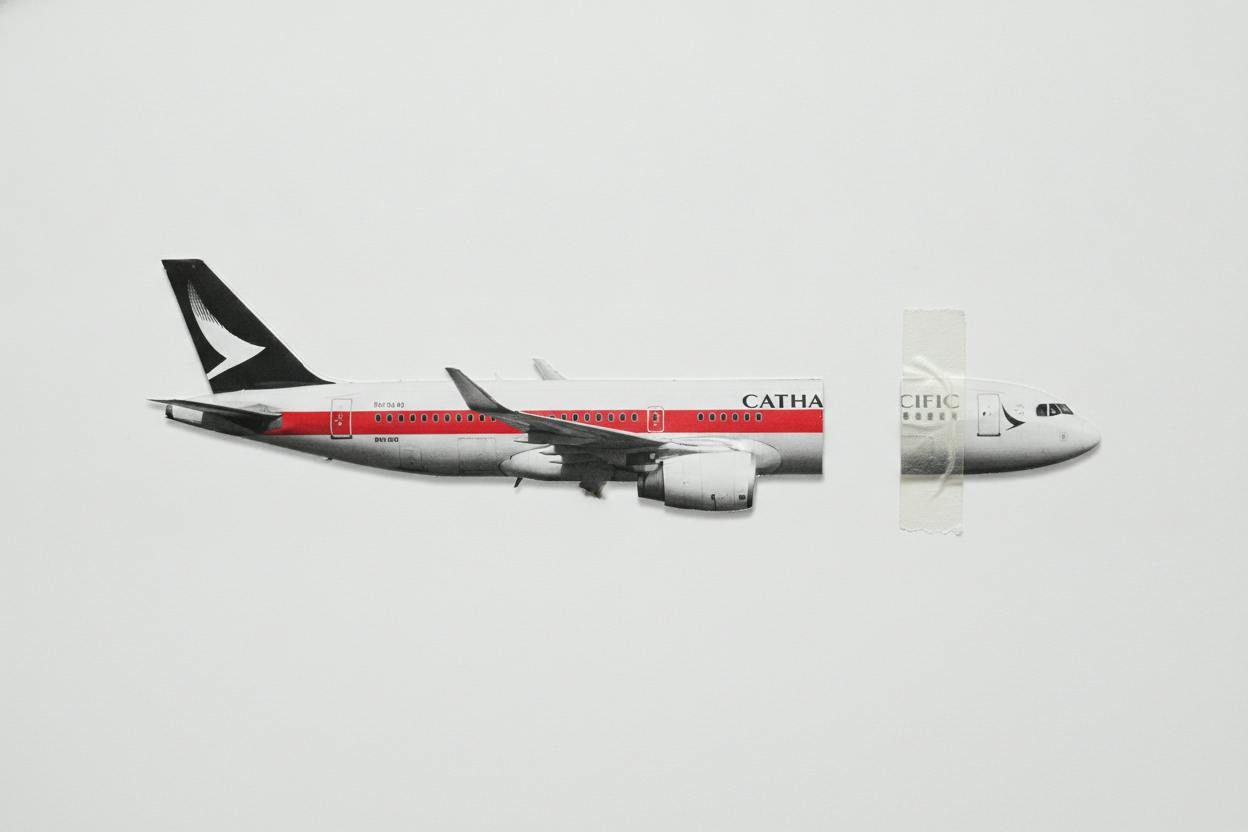
Hong Kong conglomerate Swire Pacific is reducing its long-held stake in Cathay Pacific, selling 252.7 million shares at HK$14.23 each in a block placement. The price represents an 8.5% discount to Monday's closing price of HK$15.55, and the deal is expected to raise about HK$3.58 billion in net proceeds for general working capital.
The sale, disclosed in a Hong Kong stock exchange filing, amounts to roughly 4.15% of Cathay's issued shares. Once the transaction completes on Thursday, Swire's holding will drop to about 35%, down from 39.15%.
Why a discount?
Block placements like this are a common way for large shareholders to sell a big chunk of stock quickly. The seller accepts a lower price in exchange for speed and certainty, rather than dribbling shares into the market over weeks or months. Investment banks J.P. Morgan, Morgan Stanley, and HSBC are lining up buyers, effectively setting a public clearing price for the stock in one go.
Swire also flagged an estimated accounting gain of about HK$870 million on the sale. That gain reflects the difference between the sale price and the book value of the shares, and it will likely appear in Swire's financial statements.
One-off tidy-up, not an exit
Importantly, Swire portrayed the move as a one-off portfolio adjustment rather than the beginning of a broader exit. The company said it still intends to keep a significant long-term strategic holding in Cathay and has no current intention to make further reductions.
That distinction matters. When a major shareholder starts trimming, investors often wonder whether more selling is coming. Swire's explicit statement that this is a one-off should help reassure the market that the overhang of potential supply is limited.
What it means for Cathay's share price
For Cathay Pacific shareholders, the immediate impact is likely to be felt in the stock's trading range. Discounted placements can weigh on a share price even when nothing has changed about the underlying business. They suddenly increase the tradable supply of shares, and they do so at a visible, lower price.
That often creates short-term "price gravity." Investors who want to buy may wait near the placement price of HK$14.23, while some new holders—who bought at that level—may hedge or reshuffle their positions until the shares settle. As a result, Cathay's trading range can temporarily feel anchored near the placement price.
The technical pressure typically eases after the deal completes on Thursday, once the market has absorbed the new stock. For long-term investors, the placement doesn't change Cathay's fundamentals—it's a change in ownership, not in the airline's operations or outlook.
Broader context
Swire Pacific is a diversified conglomerate with interests in property, beverages, and aviation. Its stake in Cathay Pacific has been a core holding for decades, and the airline is a key part of Hong Kong's economy. The decision to trim the stake comes as Swire looks to bolster its working capital, a move that could fund other investments or simply strengthen its balance sheet.
This is not the first time a major shareholder has used a block placement to raise cash. Similar deals have occurred across Asia, often involving conglomerates rebalancing their portfolios. For example, Fairfax was seen buying an IIFL Capital stake in a $165M block trade, and Evonik's top holder RAG still plans a stake cut after another buyer walked away. These deals highlight how block placements are a standard tool for large shareholders to adjust positions.
What investors should watch
For everyday investors, the key takeaway is that this placement is a supply event, not a signal about Cathay's business. The airline's prospects remain tied to travel demand, fuel costs, and the broader economic environment. The discounted price may create a temporary drag on the stock, but it also offers a reference point for valuation.
Investors should also note that Swire's decision to keep a 35% stake suggests it still sees value in Cathay. The company's statement that it has no plans for further reductions is a positive sign, as it removes the overhang of potential additional supply.
As with any block placement, the immediate aftermath can be volatile. But for those with a longer time horizon, the fundamentals of the underlying business matter more than the mechanics of this sale.



