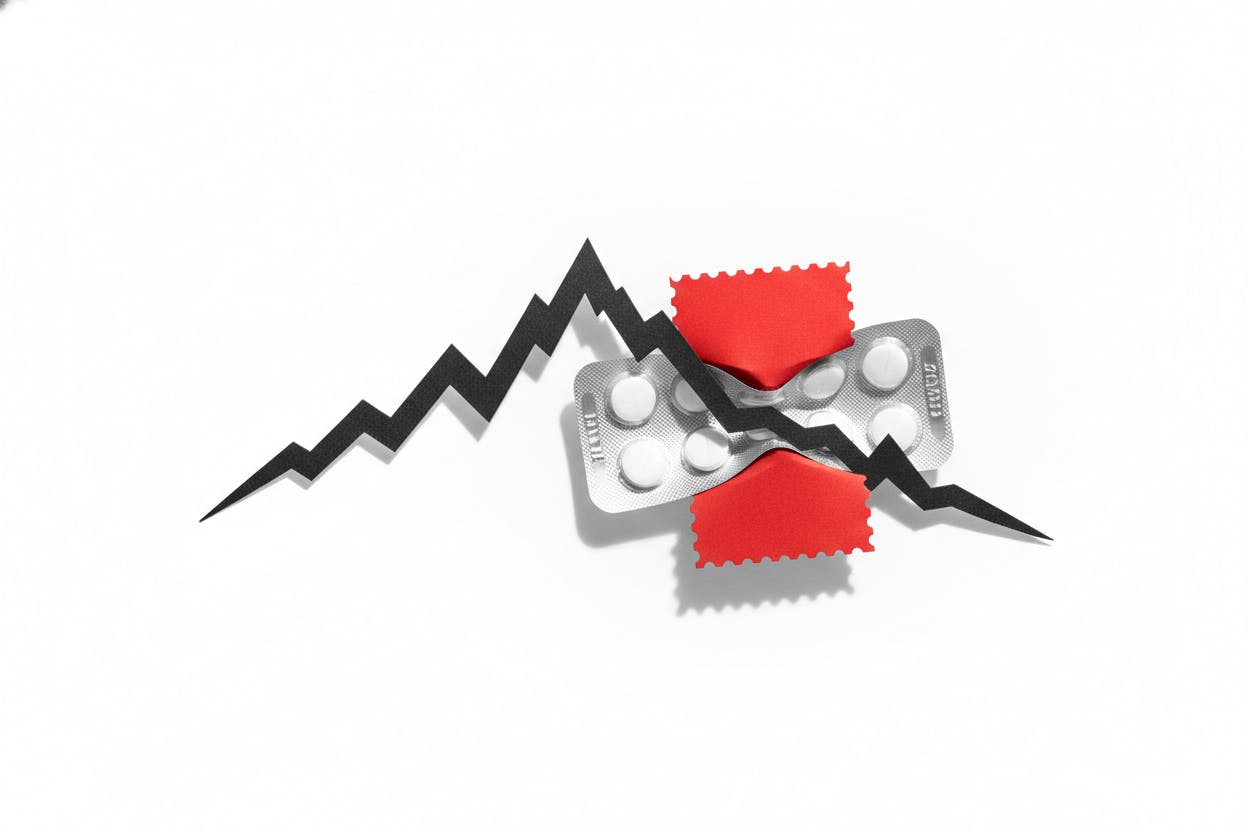
The Swiss Market Index (SMI) edged up 0.12% on Tuesday, showing resilience even as President Donald Trump floated a plan to impose steep future tariffs on imported generic drugs. The proposal, which targets a key Swiss export sector, sent shares of Sandoz lower but failed to drag down the broader index.
What Trump Proposed
President Trump suggested raising US tariffs on imported generic drugs to 100% by 2028 and to 200% after that. The plan is aimed at reducing US reliance on foreign pharmaceutical manufacturing and encouraging domestic production. Generic drugs are lower-cost alternatives to brand-name medicines, and many are produced overseas, including in Switzerland.
Switzerland is a major hub for pharmaceutical manufacturing, home to giants like Novartis and Roche, as well as Sandoz, which focuses on generic and biosimilar drugs. The proposed tariffs would directly affect Sandoz, which exports generic drugs to the US market.
Market Reaction
The SMI's slight gain suggests that investors are not panicking over the proposal, at least not yet. The index's modest rise indicates that other sectors, such as luxury goods, financials, and industrial stocks, may be offsetting the drag from pharmaceutical names. Sandoz shares fell on the news, reflecting the direct threat to its US revenue stream.
Broader market context also played a role. Global equities have been navigating a mix of trade policy uncertainty, inflation data, and corporate earnings. The Swiss market, often seen as a safe haven due to its stable economy and strong currency, has held up relatively well compared to other European indices.
What It Means for Investors
For everyday investors, the key takeaway is that trade policy remains a wild card for pharmaceutical stocks, especially those with significant exposure to the US generic drug market. Tariffs of this magnitude would raise costs for US consumers and potentially squeeze profit margins for drugmakers like Sandoz.
However, the proposal is not yet law. Trade policy changes often take years to implement and face legal and political hurdles. Investors should watch for further developments, including any formal legislative proposals or trade negotiations. The 2028 timeline gives companies time to adjust, potentially by shifting production to the US or renegotiating supply contracts.
Diversification remains important. While Sandoz took a hit, the broader Swiss index held up, showing that a single sector's pain doesn't necessarily mean a market-wide selloff. Investors with exposure to Swiss stocks through index funds or ETFs may see less volatility than those concentrated in pharmaceutical names.
Broader Trade Context
Trump's tariff threats are part of a broader pattern of trade tensions that have periodically rattled markets. Previous rounds of tariffs on Chinese goods and steel have led to market volatility, but also to negotiations and eventual deals. The pharmaceutical industry, however, has largely been spared until now.
The proposal also highlights the ongoing debate over drug pricing and supply chain security in the US. Generic drugs are a key tool for controlling healthcare costs, and tariffs that raise their prices could have political and economic repercussions.
Investors should also consider the currency angle. The Swiss franc is traditionally a safe-haven currency, and any escalation in trade tensions could strengthen it further, which would impact Swiss exporters by making their goods more expensive abroad.
Looking Ahead
Markets will be watching for any official statements from the Trump administration or Congress regarding the tariff plan. Earnings reports from Swiss pharmaceutical companies will also provide clues about how they are managing trade risks. For now, the SMI's steady performance suggests that investors are taking a wait-and-see approach.
In related market moves, Asian ADRs edged lower as trade concerns weighed on sentiment, while Saudi stocks edged higher despite regional tensions. The mixed global picture underscores how trade policy continues to drive market narratives.
For Swiss stocks, the tariff threat is a reminder that no sector is immune from geopolitical risk. But the SMI's resilience suggests that investors still see value in Swiss equities, even as the pharmaceutical sector faces headwinds.



