Sysco, the largest U.S. food distributor, is aiming for faster growth in the years ahead, even as it works through the fallout of a lettuce recall linked to one of its suppliers. The company raised its fiscal 2027 sales and profit outlook and outlined $100 million in net savings, signaling confidence in its long-term trajectory despite near-term headwinds.
Quarterly results beat expectations
In the quarter ended June 27, Sysco reported sales of about $22.12 billion, up 4.7% from a year earlier. Adjusted profit came in at $1.53 per share, topping analyst estimates. The company credited steady demand from restaurants and travel-related foodservice businesses, which have remained resilient even as consumers watch their spending more closely.
However, gross margin dipped 17 basis points to 18.7%, as costs for meat and fresh produce rose. That squeeze on profitability is a reminder that even the biggest players in food distribution aren't immune to inflationary pressures in the supply chain.
Lettuce recall adds to the mix
Sysco is also dealing with an iceberg lettuce recall tied to Taylor Farms, a supplier. The recall is linked to cyclosporiasis, a parasitic illness that can cause gastrointestinal symptoms. While Sysco didn't provide specific financial details about the recall's impact, managing such events is part of the job for a company that moves massive volumes of perishable goods.
Food recalls are not uncommon in the industry, and distributors typically work quickly to remove affected products and reassure customers. The bigger question for investors is whether the recall will dent sales or customer trust in the coming quarters. So far, Sysco's raised outlook suggests management believes the impact will be manageable.
What the raised outlook means
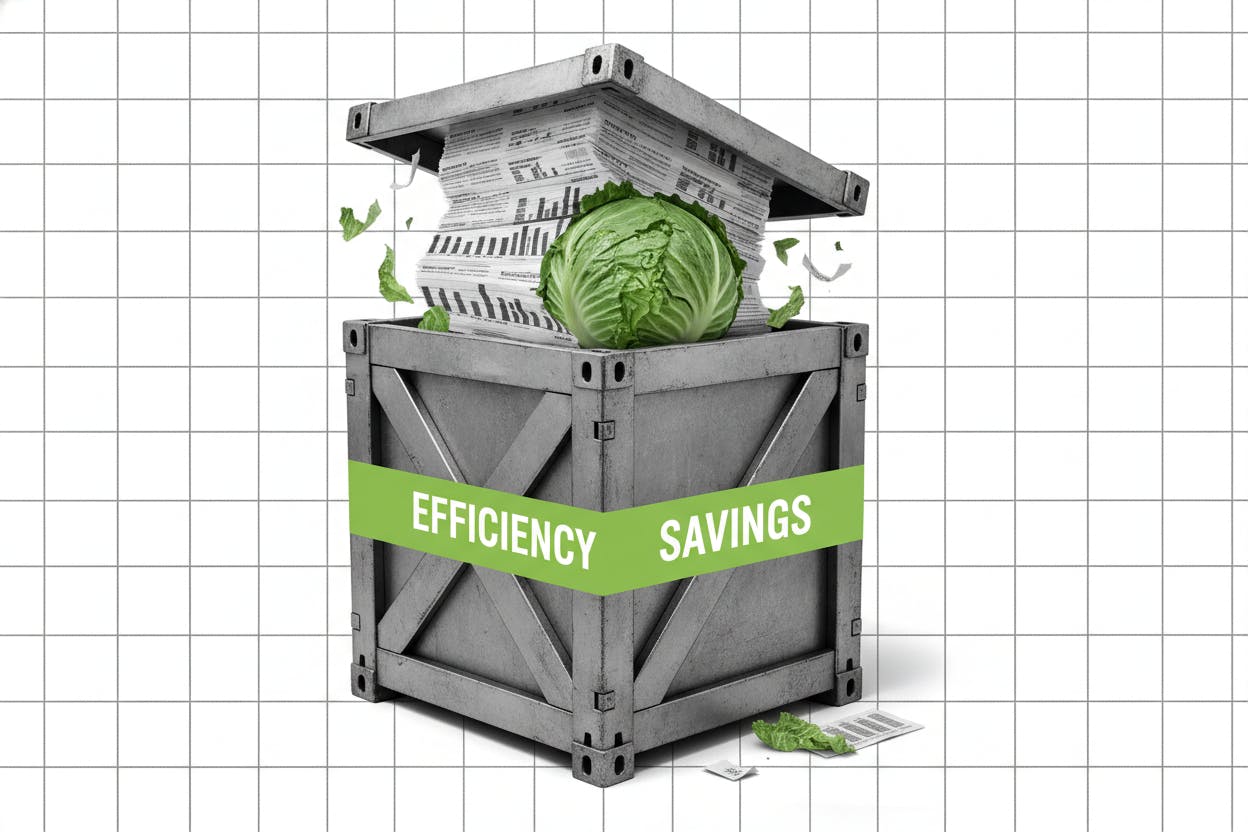
Sysco's decision to lift its fiscal 2027 targets is a signal that the company sees durable growth ahead. The $100 million in net savings likely comes from operational efficiencies, such as supply chain improvements or cost-cutting measures, which could help offset rising input costs.
For everyday investors, this is a positive sign about the health of the foodservice industry. When a major distributor raises its long-term targets, it often reflects confidence in the broader demand environment. Restaurants, hotels, and other foodservice operators are key customers, and their willingness to keep ordering is a good barometer of consumer spending.
What it means for investors
Sysco's results and outlook offer a window into the state of the U.S. consumer. Steady restaurant and travel demand suggests that, despite inflation and higher interest rates, people are still eating out and traveling. That's a supportive backdrop for food distributors and the broader hospitality sector.
However, the margin dip and the recall are reminders that this is a low-margin, high-volume business. Companies like Sysco operate on thin margins, so even small cost increases or disruptions can have an outsized impact on profitability. Investors should watch how Sysco manages these challenges in the coming quarters.
The company's ability to raise its outlook while dealing with a recall is a testament to its scale and operational resilience. But it's also worth noting that the food distribution industry faces ongoing pressures, from labor costs to supply chain volatility. As earnings growth across the S&P 500 cools, companies like Sysco that can deliver consistent results may stand out.
Looking ahead
Investors will likely keep an eye on Sysco's next few quarters to see how the recall affects sales and whether the company can achieve its savings targets. The broader economic backdrop, including global growth trends and consumer confidence, will also play a role.
For now, Sysco's raised outlook is a vote of confidence in its own business and the foodservice industry. Whether it can deliver on those promises will depend on its ability to navigate cost pressures, manage supply chain risks, and keep customers satisfied.