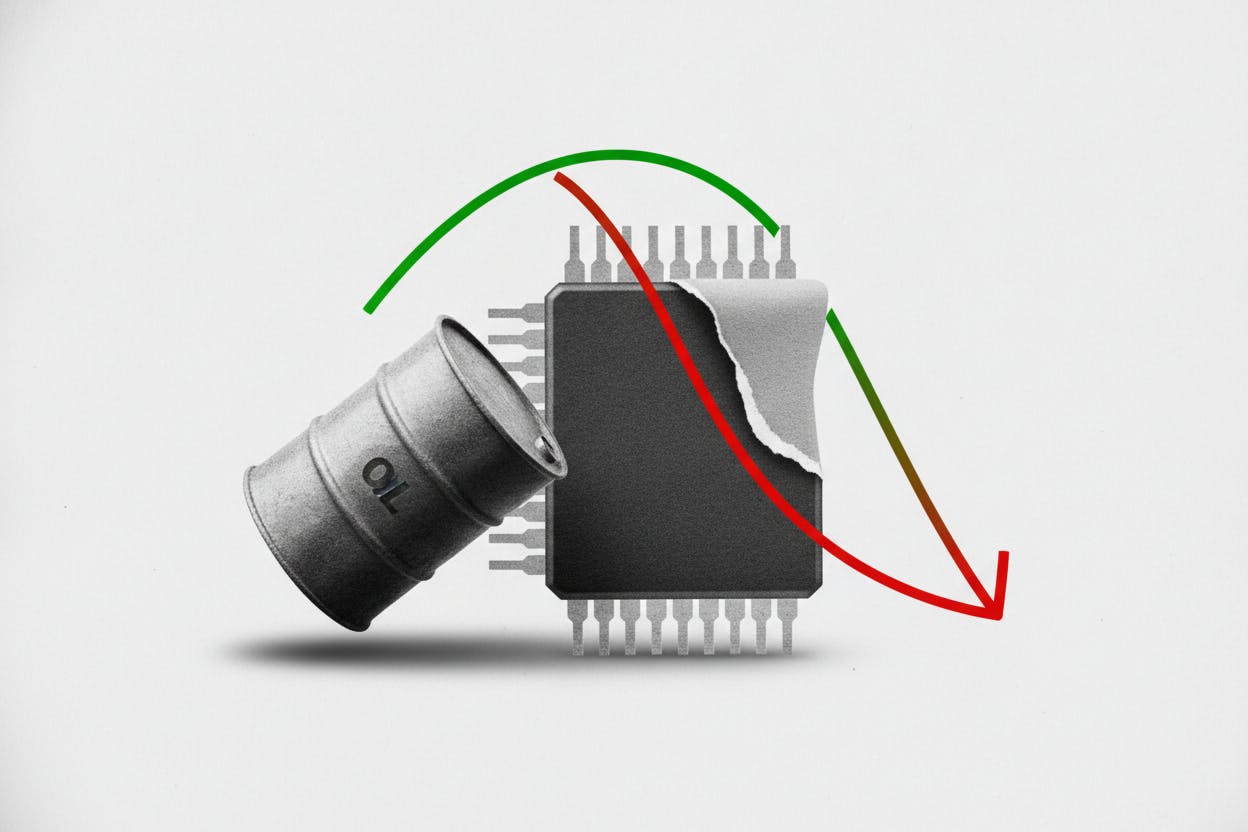
The S&P 500's earnings engine is still running hot, but it's no longer red-lining. According to a new note from Oppenheimer, aggregate profit growth for the index slowed to 57% in the latest quarter, down from the blistering pace seen earlier in the cycle. The slowdown is being driven by a cooling in the technology sector, which had been the primary driver of the earnings boom. Meanwhile, energy and consumer discretionary companies are stepping up to keep overall growth firmly in double digits.
What's driving the slowdown?
For much of the past year, tech giants have powered S&P 500 earnings to record levels, fueled by strong demand for cloud computing, artificial intelligence, and digital advertising. But that explosive growth is now moderating as comparisons get tougher and some of the pandemic-era tailwinds fade. Oppenheimer notes that while tech is still growing, the pace has cooled enough to pull the index's overall growth rate down from the stratosphere.
At the same time, energy companies are enjoying a resurgence. Higher oil and gas prices, driven by supply constraints and steady global demand, have boosted profits across the sector. Consumer discretionary—the category that includes retailers, restaurants, and travel companies—is also holding up well, as consumers continue to spend on experiences and goods despite higher interest rates.
What this means for the broader market
The shift in leadership is significant for investors. When a handful of mega-cap tech stocks dominate earnings, the market can become top-heavy and vulnerable to sharp pullbacks if those companies disappoint. A broader base of earnings growth, with energy and consumer discretionary contributing, is generally seen as healthier and more sustainable.
It also suggests that the economic expansion is broadening beyond the digital economy. Energy strength often reflects solid industrial and manufacturing activity, while consumer discretionary spending indicates that households still have purchasing power. That mix could support further gains in the stock market, even as the pace of profit growth normalizes.
What investors should watch next
For everyday investors, the key takeaway is that earnings growth is still strong, but the composition is changing. It's worth paying attention to which sectors are driving profits, because that can influence which stocks and funds perform well. If energy continues to lead, energy-focused investments may benefit, while tech-heavy portfolios could see more modest gains than in recent quarters.
Investors should also keep an eye on how long the energy rally lasts. Oil prices are notoriously volatile, and a sudden drop could quickly reverse the sector's earnings momentum. Similarly, consumer discretionary spending could weaken if the job market softens or inflation picks back up.
Oppenheimer's data is a reminder that earnings season is not just about the headline number—it's about the details. The fact that growth is slowing from an extremely high level is not necessarily a red flag; it's a natural part of the economic cycle. But it does mean investors should be prepared for more moderate returns ahead.
Broader context
The S&P 500's earnings growth has been a key pillar of the bull market. With interest rates still elevated, investors have leaned on corporate profits to justify stock valuations. A slowdown in earnings growth, even if it remains robust, could make stocks look less attractive relative to bonds, which now offer competitive yields.
That said, the fact that energy and consumer discretionary are picking up the slack suggests the economy is not overly reliant on any single sector. This diversification could help the market weather any further shocks, whether from geopolitics, inflation, or a potential recession.
For those looking to understand how these trends play out in individual companies, recent earnings reports offer clues. For instance, Loews saw its quarterly profit climb on strong investment income, while CNH Industrial raised its outlook as construction demand offset a farm slump. These examples show that sector dynamics are not uniform—individual company results can diverge from the broader trend.
On the energy front, KKR's record infrastructure fund is betting on both the energy transition and AI data centers, highlighting the long-term investment opportunities in the sector. Meanwhile, Amazon's AWS growth shows that tech is still a powerful earnings driver, even if its pace is cooling.
The bottom line
Earnings growth of 57% is still exceptionally strong by historical standards. The slowdown is relative, not absolute. Investors should view this as a sign that the market is maturing, not deteriorating. The key is to stay diversified and keep an eye on the sectors that are leading the way.
As always, past performance is no guarantee of future results, and individual circumstances vary. But for the average investor, the message is clear: the earnings engine is still running, just at a more sustainable speed.