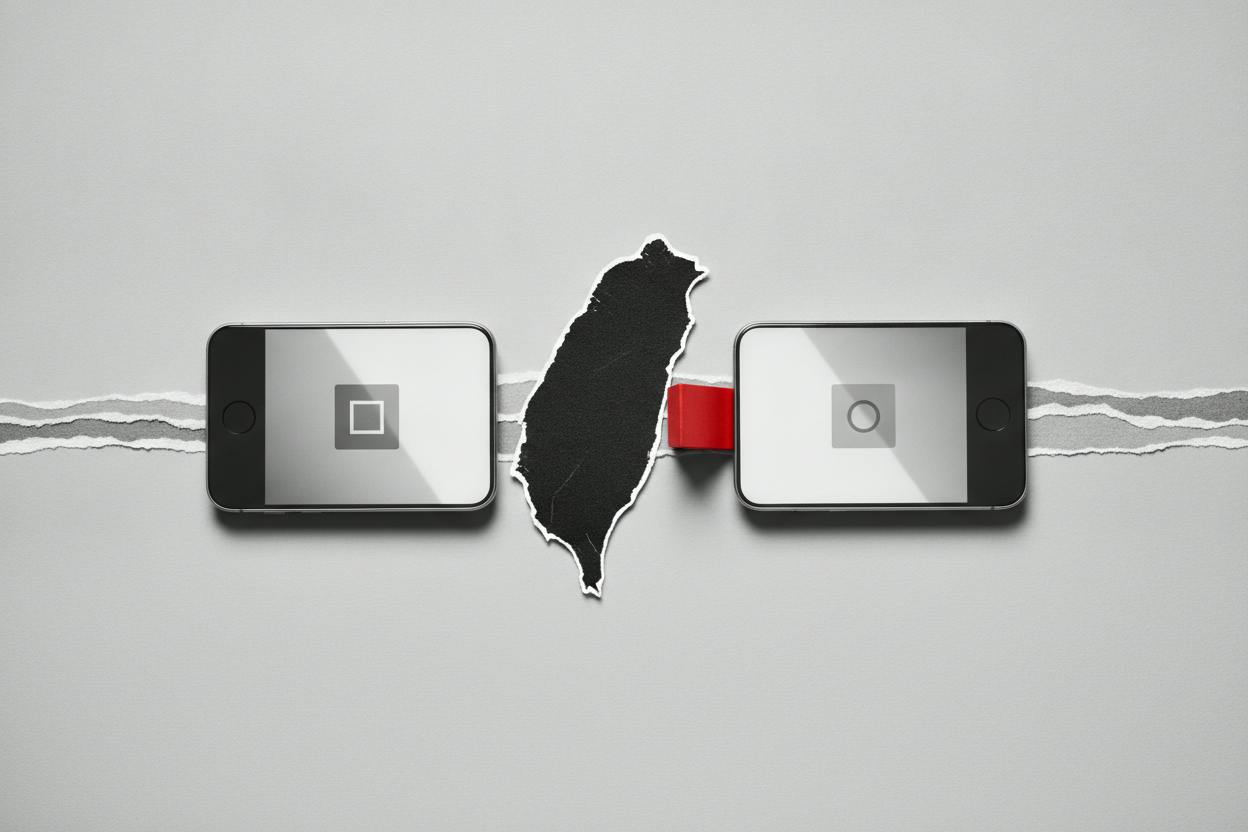
Taiwan's competition watchdog has put a stop to Grab's proposed acquisition of Foodpanda's Taiwan operations, a deal that would have reshaped the island's food delivery landscape. The Fair Trade Commission (FTC) said the transaction could weaken competition in the market, pointing to the close ties between Grab and Uber Technologies, which operates the rival Uber Eats service.
Why the deal was blocked
The FTC's decision centers on the structure of the food delivery market in Taiwan, which it views as essentially a two-player contest. Foodpanda and Uber Eats dominate the sector, and the regulator was concerned that moving Foodpanda under Grab's ownership would reduce the incentive for these two giants to compete aggressively.
Beyond simple market share, the commission highlighted the relationship between Grab and Uber. Uber holds a stake in Grab, and the two companies have a history of business dealings. The FTC argued that this cross-ownership and these ties could lead to "coordination" rather than competition, potentially harming consumers through higher prices or lower service quality.
In plain terms, the regulator worried that if Grab owned Foodpanda, it might not fight as hard against Uber Eats because the two companies are financially intertwined. That could leave Taiwanese diners with fewer choices and less favorable terms.
What this means for the companies
For Grab, the Singapore-based ride-hailing and delivery giant, the rejection is a setback in its regional expansion strategy. The company had been looking to grow its presence in Taiwan, a market where it currently has a limited footprint. Foodpanda, owned by Germany's Delivery Hero, now faces an uncertain future in Taiwan, as the deal was seen as a way for the parent company to exit or restructure its operations there.
Uber, meanwhile, continues to operate Uber Eats in Taiwan. The decision effectively preserves the status quo, with Uber Eats and Foodpanda remaining as the two main players. For investors, the news removes a potential source of disruption in the Taiwanese market, but it also highlights the regulatory hurdles that tech and delivery companies can face when trying to consolidate.
What it means for investors
For everyday investors, this development is a reminder that competition regulators can have a significant impact on corporate deals and, by extension, on stock prices. When a merger or acquisition is blocked, the companies involved may see their shares react, and the broader sector can be affected as investors reassess growth prospects.
In this case, the decision is unlikely to have a major effect on global markets, but it could influence sentiment around Grab and Delivery Hero. Investors holding shares in these companies should be aware that regulatory risk is a real factor in the tech and delivery sectors. The FTC's reasoning also underscores a growing trend among regulators worldwide to scrutinize deals involving companies with overlapping ownership or strategic alliances, not just those with obvious monopoly potential.
For those watching the Asian tech scene, this is a signal that Taiwan's regulators are willing to take a tough stance to protect competition in consumer-facing markets. It also serves as a cautionary tale for other companies considering similar acquisitions in the region.
Broader context
The food delivery market has been under pressure globally, with many companies struggling to turn a profit amid intense competition and high operating costs. Consolidation has been seen as one way to achieve scale and improve margins, but regulators are increasingly questioning whether such deals ultimately benefit consumers.
In Taiwan, the FTC's decision could prompt other delivery firms to rethink their strategies. It may also encourage regulators in other markets to look more closely at the relationships between major players in the gig economy.
For now, the immediate impact is limited to Taiwan, but the implications could ripple across the region. Investors should keep an eye on how Grab and Delivery Hero respond, and whether any appeal or alternative deal emerges. The story also ties into broader themes of regulatory scrutiny in tech, which have been a recurring theme in markets recently, as seen in other sectors like corporate restructuring moves and currency market reactions to policy decisions.
Ultimately, this decision is a clear signal that competition authorities are watching the food delivery space closely, and that deals involving major players will face rigorous review. For investors, it's a reminder to factor regulatory risk into any assessment of tech and delivery stocks.