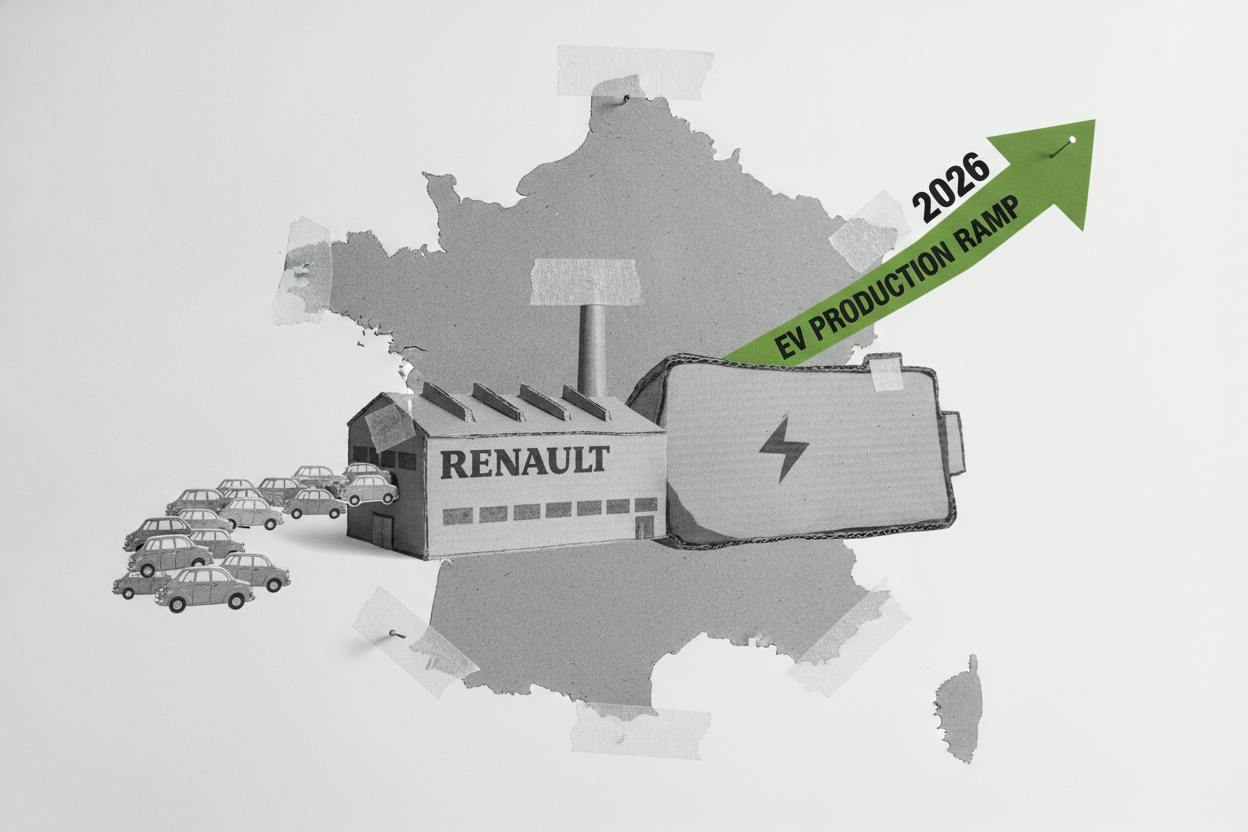
Talga Group, an Australian battery materials company, has taken a significant step toward commercializing its graphite anode technology by signing a non-binding letter of intent (LOI) with Japanese chemical giant Mitsubishi Chemical. The deal outlines a path to supply Talga's Talnode graphite anode material for use in hybrid electric vehicle (EV) batteries, with a clear timeline for technical testing and commercial negotiations.
What the LOI Entails
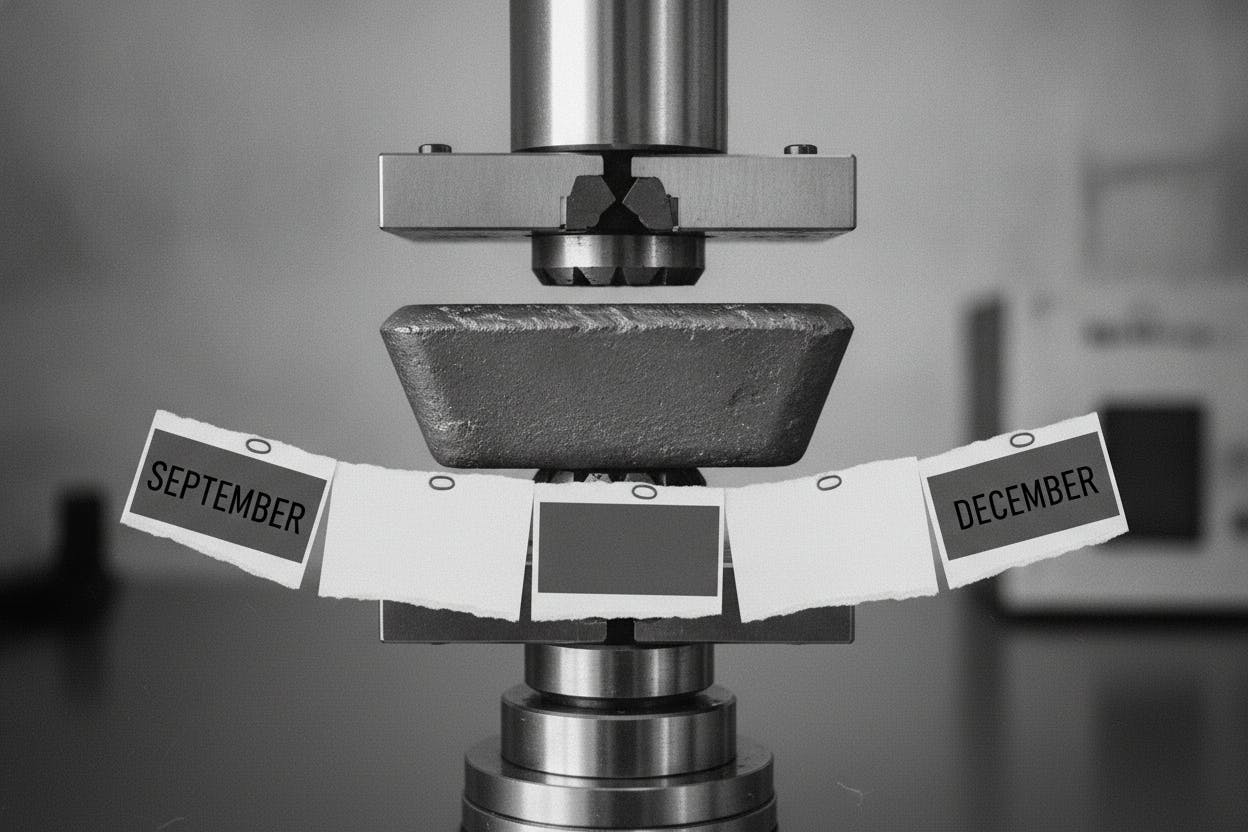
The LOI is a preliminary agreement that sets the framework for potential collaboration. Under its terms, Mitsubishi Chemical will conduct technical evaluations of Talnode, while both sides work on commercial terms. The stated milestones include a conditional supply terms sheet by September and a definitive three-year supply agreement by December. However, these targets are contingent on successful testing and product qualification, meaning the deal is not yet final.
Broker Euroz Hartleys described the step as "meaningful," noting that it moves Talga from laboratory-scale discussions toward a potential commercial relationship with a major global materials supplier. Mitsubishi Chemical is a key player in the chemicals and materials sector, with extensive experience in battery components.
Why Graphite Anodes Matter for EV Batteries
Graphite is the dominant material used in the anodes of lithium-ion batteries, which power most electric vehicles. The anode is one of the four main components of a battery, along with the cathode, electrolyte, and separator. As EV adoption grows, demand for high-quality graphite is expected to rise sharply. Talga's Talnode material is a coated spherical graphite product designed to improve battery performance and energy density.
The focus on hybrid EVs is notable. Hybrid vehicles, which combine an internal combustion engine with an electric motor, typically use smaller batteries than fully electric vehicles. However, they still require reliable anode materials, and the market for hybrid batteries remains substantial, especially as automakers seek to meet emissions regulations without fully transitioning to battery-electric models.
Broader Context: Battery Supply Chain and Graphite Sourcing
The LOI comes amid a broader push by battery and automakers to secure supply chains for critical minerals, including graphite. Much of the world's graphite processing capacity is concentrated in China, prompting concerns about supply security. Companies like Talga, which is developing graphite projects in Sweden and Australia, aim to offer alternative sources.
In a related development, Chinese battery giant CATL recently invested in CarbonScape, a company that turns forestry waste into battery graphite, highlighting the industry's search for diverse and sustainable graphite sources. Meanwhile, battery metal prices have recovered somewhat on supply cuts, though EV demand growth has slowed, creating a mixed outlook for materials suppliers.
What It Means for Investors
For investors, the LOI is a positive signal that Talga's technology is gaining attention from established industry players. However, it is important to recognize that non-binding agreements are common in the early stages of commercial negotiations and do not guarantee a final deal. The key milestones to watch are the September terms sheet and the December supply agreement, as well as the results of Mitsubishi Chemical's technical testing.
If the deal proceeds, it could provide Talga with a significant revenue stream and validate its production process. For Mitsubishi Chemical, securing a supply of Talnode could help diversify its battery materials sourcing and support its hybrid EV battery business.
Investors should also consider the broader market dynamics. The EV battery sector is highly competitive, with many companies vying for contracts. Talga's success will depend on its ability to scale production, meet quality standards, and compete on cost. The company's progress in securing offtake agreements will be closely watched by analysts.
Looking Ahead
The next few months will be critical for Talga as it works toward the September terms sheet deadline. If testing goes well and commercial terms are agreed, the company could be on track to become a supplier to one of the world's largest chemical companies. For now, the LOI represents a promising but unconfirmed step forward in the race to build a secure and diversified battery supply chain.