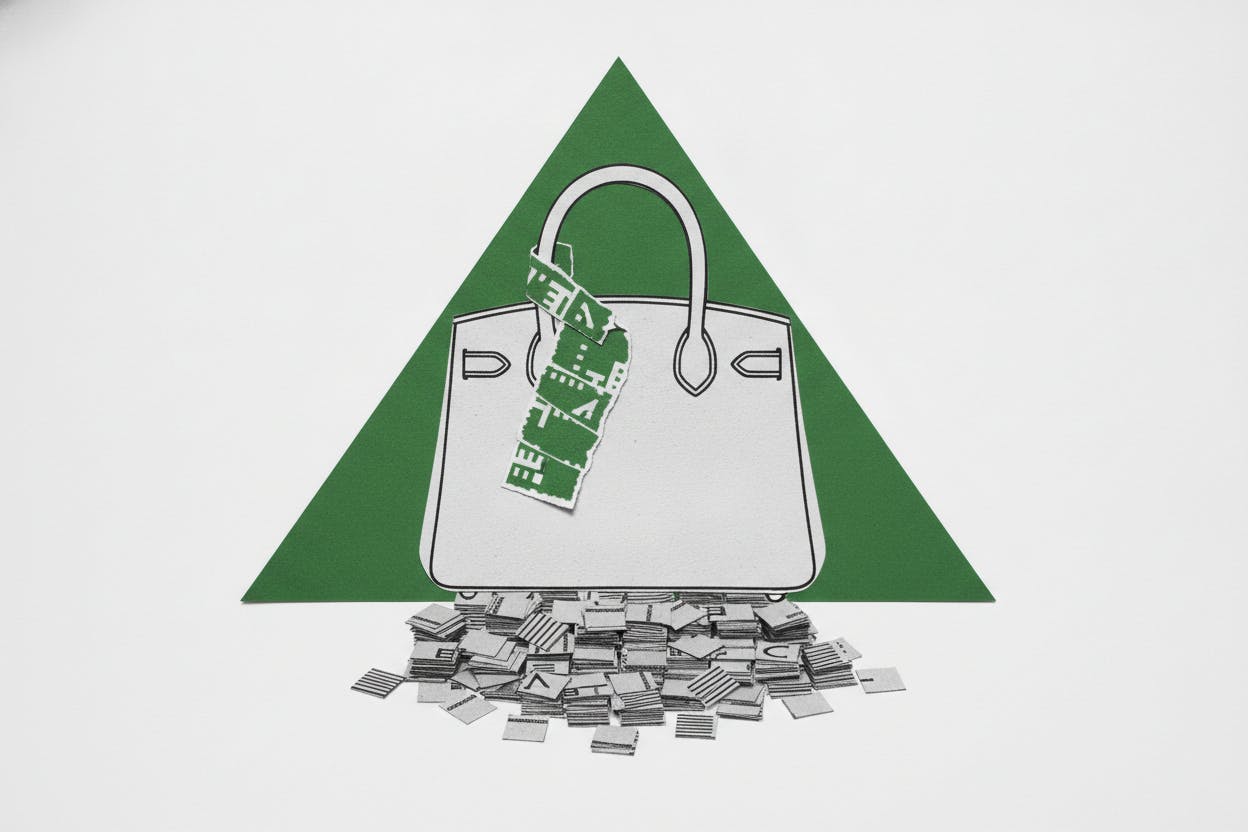
Tapestry, the fashion group behind Coach and Kate Spade, delivered a reassuring update for investors on Tuesday, beating profit estimates and raising its earnings outlook. The company pointed to steady demand for Coach handbags in both North America and China, two of its most important markets, and announced plans to buy back $1.35 billion of its own shares.
The results suggest that even in a cautious consumer environment, well-known brands with pricing power can still hold their ground. For everyday investors, the news is a reminder that not all retail is struggling—and that some companies are finding ways to protect profits even when sales growth is modest.
What's behind the beat
Tapestry's update was less about selling dramatically more bags and more about selling them at better economics. The company has leaned on fewer promotions, selective price increases, and marketing aimed at younger shoppers. That strategy helped gross margin—the profit left after covering the cost of making and buying products—rise by 1.8 percentage points to 78.1%.
In plain terms, Tapestry is making more money on each bag it sells, even if the number of bags sold isn't soaring. That's a sign of brand strength, especially in a period when many consumers are watching their spending closely.
The company's confidence is also reflected in its decision to raise its full-year earnings outlook. When a company lifts its guidance, it's essentially telling the market that it expects the current momentum to continue. That's often seen as a positive signal by investors.
Buybacks: returning cash to shareholders
Alongside the earnings beat, Tapestry announced a $1.35 billion share buyback program. A buyback is when a company uses its own cash to purchase its shares from the open market, reducing the number of shares outstanding. This can boost earnings per share and often signals that management believes the stock is undervalued.
For shareholders, buybacks can be a way to get value back without waiting for dividends. They also tend to support the share price over time. Tapestry's move is a clear sign that the company has confidence in its cash flow and its future prospects.
It's worth noting that buybacks aren't always popular with everyone—some investors prefer companies to invest in growth or pay dividends. But in Tapestry's case, the combination of a raised outlook and a sizable buyback suggests management sees limited need to hoard cash.
What it means for investors
For everyday investors, Tapestry's results offer a few takeaways. First, brand strength matters. Coach, in particular, has managed to stay relevant with younger shoppers through collaborations and a focus on timeless styles. That has helped the company maintain pricing power even as inflation has squeezed many households.
Second, the company's performance in China is notable. Many luxury and fashion brands have reported weaker demand in China recently, so Tapestry's steady sales there stand out. It suggests that the company's strategy of targeting aspirational shoppers with accessible luxury is resonating.
Third, the buyback program is a direct way for the company to return value to shareholders. While past performance is no guarantee of future results, a company that is buying back stock and raising its outlook is generally in a healthier position than one that is cutting guidance or conserving cash.
Of course, Tapestry still faces challenges. Competition in the handbag market is intense, and consumer spending could weaken if the economy slows. But for now, the company's latest update paints a picture of a business that is managing costs well and keeping its brands desirable.
Investors will likely watch next quarter's sales figures closely to see whether the steady demand in North America and China continues. They'll also be looking at how the buyback is executed and whether the company can maintain its improved margins.
In a retail environment that has seen mixed results, Tapestry's performance is a bright spot. It shows that a focus on brand strength and disciplined pricing can pay off, even when the broader economy is uncertain.