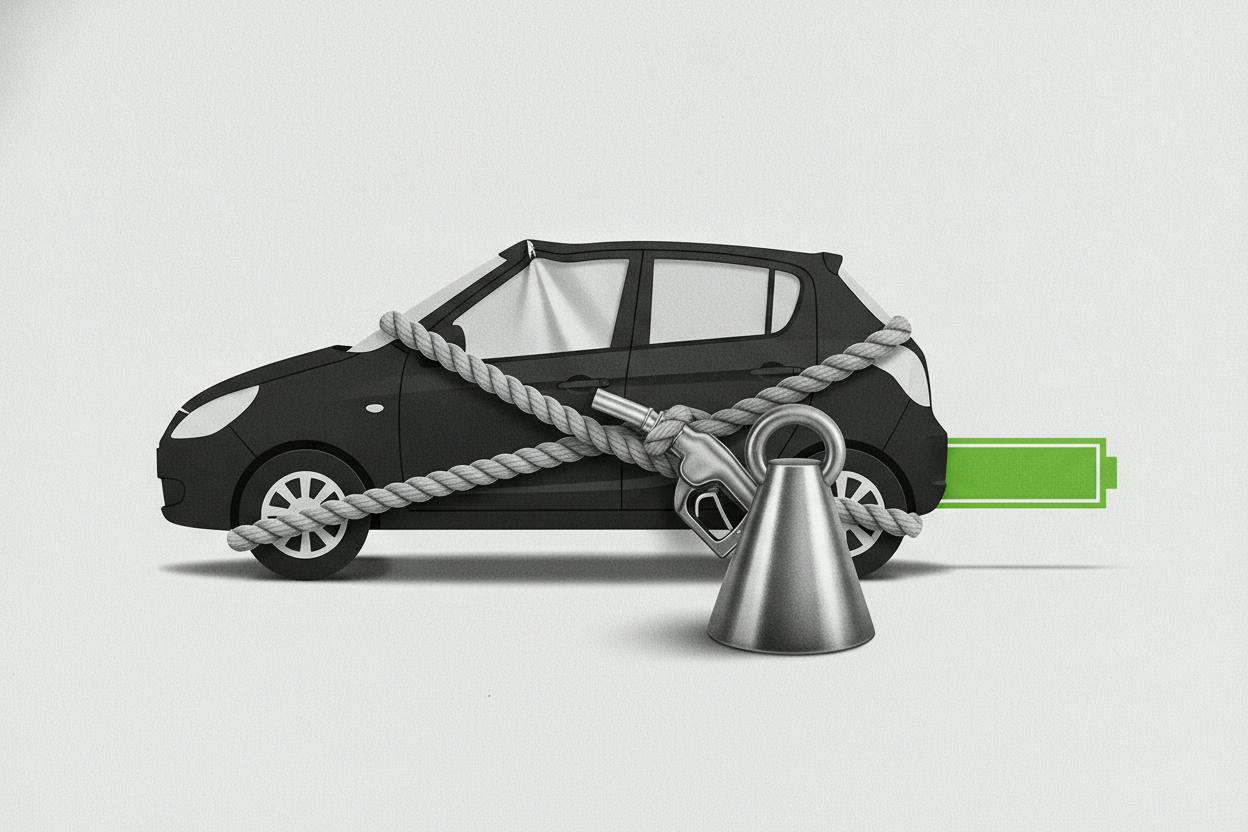
Tata Motors is weighing further price increases for its cars in India as rising energy, freight, and raw-material costs—fueled by the Iran war—put fresh pressure on its profit margins. The company's passenger-vehicle unit is already feeling the squeeze, and management has signaled that more hikes could be on the way.
What's happening
Shailesh Chandra, managing director of Tata Motors' passenger-vehicle business, said commodity inflation could shave another 3% off margins (as a share of revenue) in the July-to-September quarter. That would come on top of a 4% drag in the previous quarter, according to the company's own estimates.
The core problem is timing. Carmakers typically adjust prices in steps, while costs like steel, plastics, shipping, and fuel can move week to week. Tata has raised prices by less than 5% so far, and management has signaled that further increases are likely if cost pressures persist.
The Iran war has added to global energy and freight costs, which ripple through nearly every part of a car's production and delivery. Higher oil prices push up the cost of plastics, synthetic rubber, and transportation, while shipping rates climb as insurers and carriers factor in risk. For an automaker that sells millions of vehicles a year, even a small percentage increase in these inputs can translate into hundreds of millions of dollars in extra costs.
EVs are growing, but they don't escape the cost crunch
One bright spot for Tata is its electric vehicle lineup. EVs now account for 21% of its India passenger-car sales, up from a much smaller share just a few years ago. That growth reflects both government incentives and a broader shift in consumer demand toward cleaner, cheaper-to-run vehicles.
But EVs are not immune to commodity inflation. Battery raw materials like lithium, nickel, and cobalt have seen volatile price swings, and the same energy and freight costs that hit conventional cars also apply to electric ones. So while the EV mix helps Tata's long-term positioning, it doesn't shield the company from the current cost storm.
The broader backdrop is also worth noting. Global oil prices have been volatile as the Iran conflict raises fears of supply disruptions, particularly around the Strait of Hormuz, a key shipping lane for crude. That has knock-on effects for economies and companies worldwide, as oil prices jump on the latest headlines. For automakers, higher fuel costs can also dampen demand for petrol and diesel cars, even as they make EVs more attractive to run.
What it means for investors
For everyday investors, the key takeaway is that Tata Motors' profit margins are under pressure, and the company may not be able to pass all its higher costs on to customers. Raising prices too aggressively risks hurting demand, especially in a price-sensitive market like India. So far, Tata has kept increases below 5%, which suggests it is trying to balance cost recovery with maintaining sales momentum.
Investors should watch how much of the cost increase Tata can offset through price hikes, cost-cutting, and a richer mix of higher-margin vehicles like SUVs and EVs. The company's ability to protect margins will be a key driver of its earnings in the coming quarters.
It's also worth remembering that Tata Motors is a global company, with its Jaguar Land Rover unit contributing a significant portion of revenue and profit. While the India passenger-vehicle business is the focus here, the same commodity and energy pressures affect JLR's operations in the UK and elsewhere.
For those holding Tata Motors shares, the near-term outlook is likely to be choppy. Margin compression is rarely good for stock prices, but the company's strong EV growth and market position in India could provide a buffer. As always, it's wise to focus on the long-term fundamentals rather than reacting to quarterly noise.
In the meantime, the broader market is also reacting to the oil price spike, with indices like Germany's DAX slipping as energy fears outweigh brighter business sentiment. That shows how interconnected these issues are—what starts as a geopolitical conflict can quickly become a cost problem for companies and a worry for investors everywhere.