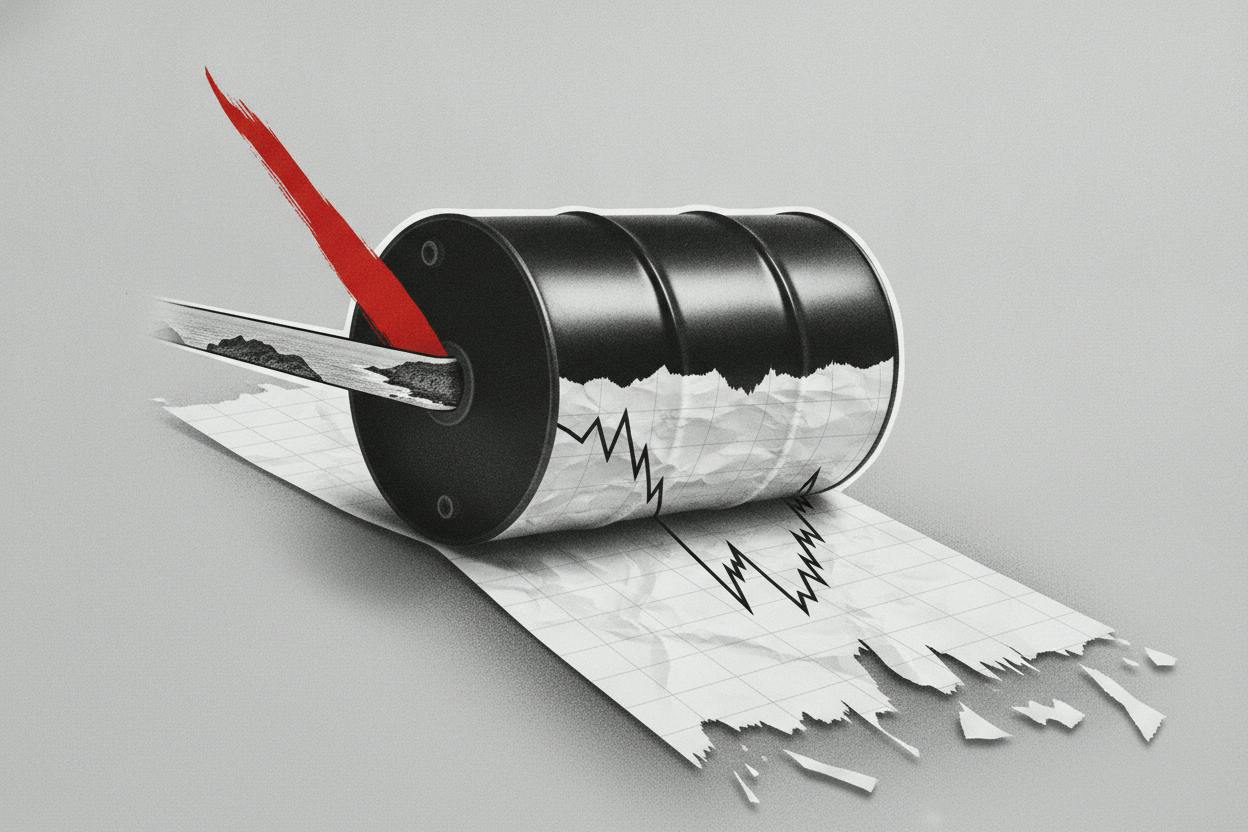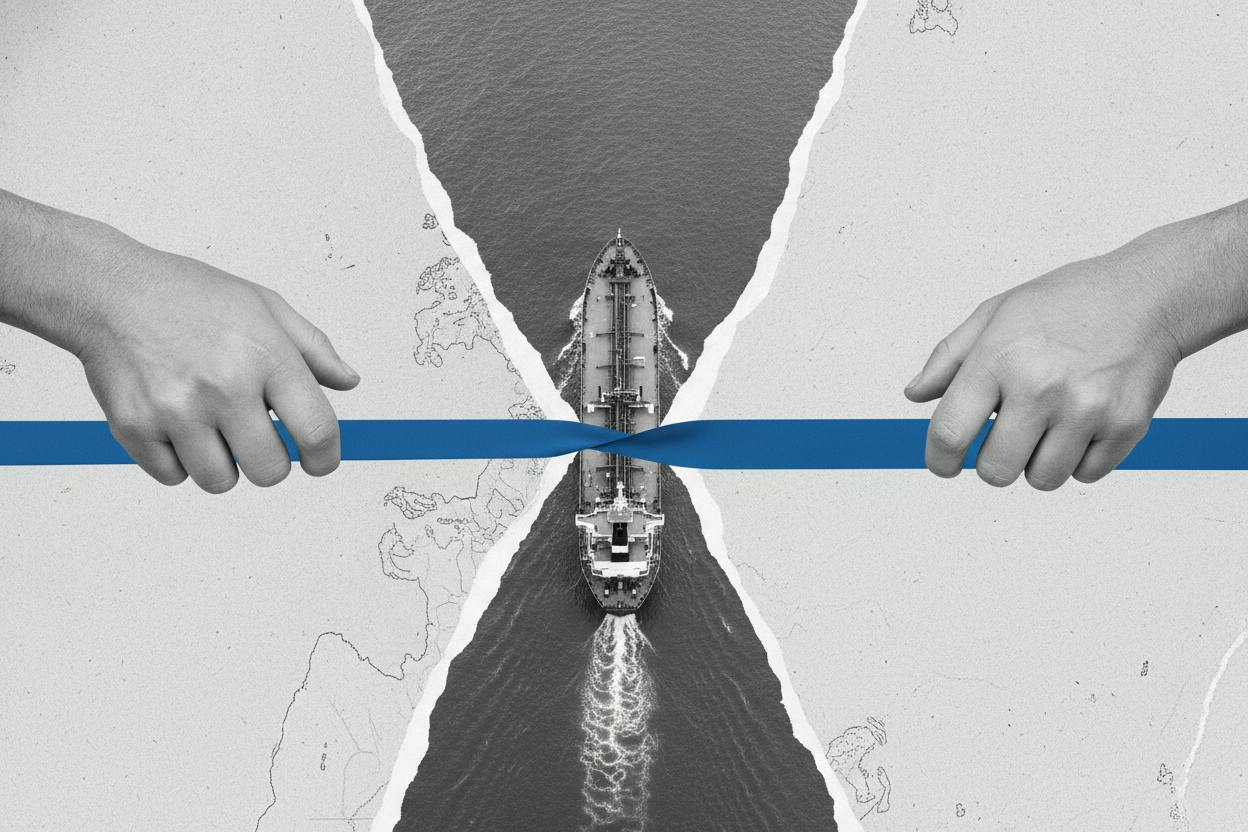
Oil prices jumped on Tuesday, with West Texas Intermediate (WTI) crude rising 2.5% and Brent crude gaining 2.7%, after reports indicated that US and Iranian negotiators are exploring a phased agreement that could reopen the Strait of Hormuz. The strait is a narrow waterway between the Persian Gulf and the Gulf of Oman, through which roughly one-fifth of the world's oil passes daily. Any disruption there has an outsized effect on global energy prices.
The talks, described as preliminary, have traders weighing two competing forces: the immediate risk of shipping disruptions versus the possibility of a diplomatic breakthrough that could restore normal flows. For now, the market is pricing in the former, with prices climbing as investors demand a premium for potential supply interruptions.
Why the Strait of Hormuz matters
The Strait of Hormuz is one of the most critical chokepoints for global oil. Tankers carrying crude from Saudi Arabia, Iraq, the UAE, Kuwait, and other Gulf producers must pass through this narrow channel to reach international markets. Even a temporary closure or a significant reduction in traffic can send prices soaring, as seen in past episodes of heightened tension in the region.
In recent weeks, shipping traffic through the strait has reportedly dropped sharply, and tanker costs have risen as insurers and shipowners factor in the risk of attacks or seizures. The Red Sea shipping risks have also added to the broader picture of elevated transport costs, though the Hormuz situation is more directly tied to the world's largest oil producers.
The idea of a phased deal suggests that any reopening would not happen overnight. Negotiators are likely to structure any agreement in stages, with each step contingent on the other side's compliance. That means even if talks succeed, the return to normal shipping volumes could take weeks or months, leaving the market in a state of uncertainty.
What a deal could mean for oil prices
If a deal is reached and the strait reopens fully, the immediate risk premium embedded in oil prices could evaporate quickly. That would likely push prices lower, as traders unwind positions built on the assumption of disruption. However, the path to that outcome is far from certain, and the market has been whipsawed by conflicting signals in recent days.
For example, stocks have split as oil whipsaws on Hormuz signals, reflecting how sensitive markets are to every headline. Similarly, European equities edged higher on hopes of a reopening, while Saudi stocks slipped as shipping traffic declined. These moves show that investors are closely watching the diplomatic front, but they are also wary of false starts.
History suggests that geopolitical tensions in the region often lead to sharp price spikes that fade once the immediate threat passes. But the current situation is complicated by broader supply dynamics. Global inventories are relatively tight, and OPEC+ has been managing output levels to support prices. A sudden return of Iranian barrels—if the deal also includes sanctions relief—could add to supply, putting downward pressure on prices.
What it means for investors
For everyday investors, the key takeaway is that oil prices are likely to remain volatile as long as the Hormuz situation is unresolved. Energy stocks, which often move in tandem with crude prices, could see swings in both directions. If you hold energy shares or funds, expect some turbulence in the near term.
On the other hand, a successful deal could be a headwind for oil prices, which might benefit consumers and sectors that rely heavily on fuel, such as airlines and shipping companies. But it could also hurt energy producers' profits, so the impact is not uniform.
It's important to remember that this is a developing story, and headlines can change quickly. Oil has held above $107 before as Hormuz hopes faded, and yields have topped 5%, showing how quickly sentiment can shift. Investors should focus on their long-term goals rather than reacting to every twist in the negotiations.
As always, diversification remains a prudent strategy. Energy is just one sector, and its performance can be unpredictable. Keeping a balanced portfolio can help cushion the impact of oil price swings, whether they go up or down.
In the coming days, watch for any official statements from Washington or Tehran, as well as data on shipping traffic through the strait. These will be the clearest signals of whether the talks are progressing or stalling.