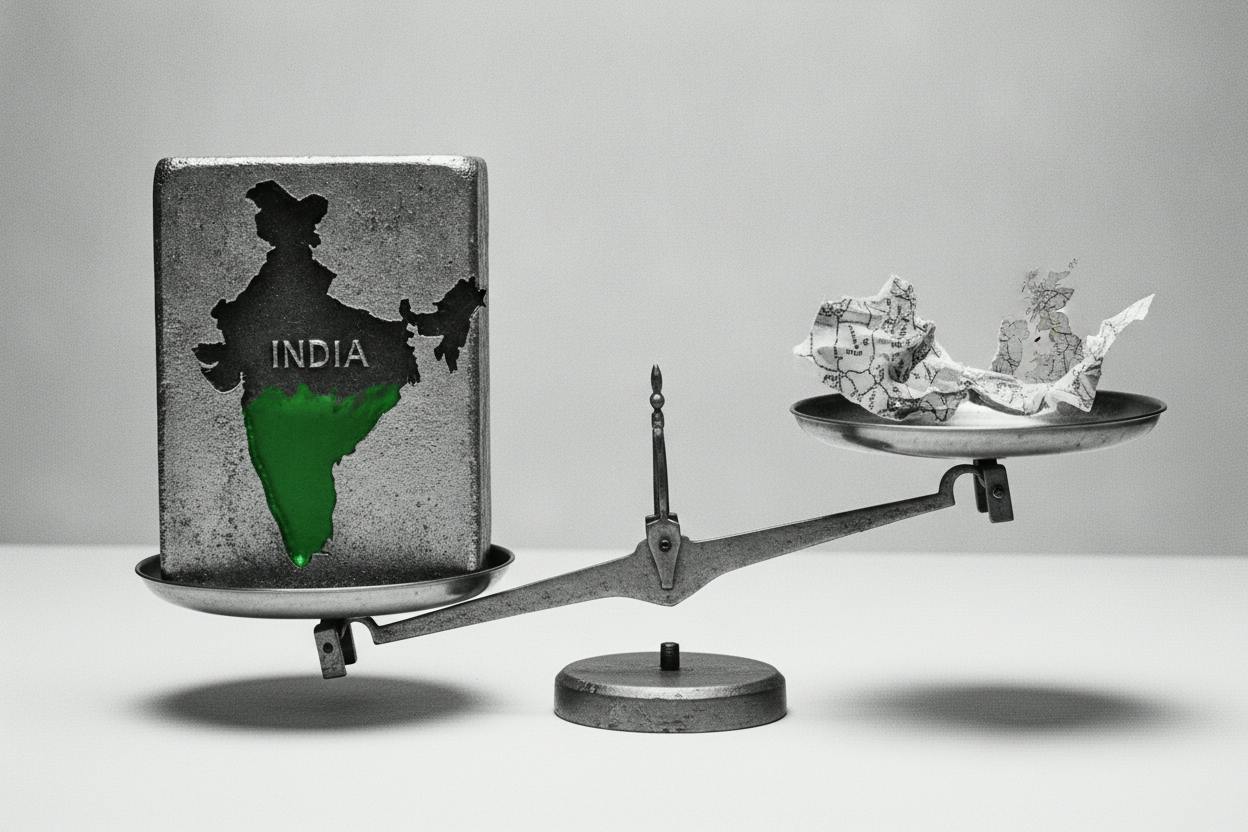
Tata Steel, one of India's largest steelmakers, reported a robust fiscal second quarter for its domestic operations, even as its UK business continued to struggle. In a stock exchange filing, the company said crude steel output from its Indian mills rose 10% year on year to 6.21 million tons, underscoring the strength of demand in the world's second-biggest steel producer.
A tale of two regions
The numbers paint a clear picture of divergence. In India, deliveries climbed 7% to 5.97 million tons, with the company highlighting record quarterly volumes in its Automotive & Special Products and Branded Products & Retail divisions. The branded and retail business alone shipped 2.2 million tons, a sign that consumer-facing steel products are finding solid traction.
Europe, by contrast, remains a drag. UK deliveries fell to 380,000 tons, reflecting the ongoing restructuring of Tata Steel's British operations, which have faced high energy costs, weaker demand, and stiff competition from cheaper imports. The company's Netherlands plant fared better, with a Direct Sheet Plant restarting in August at full capacity, helping to steady output there.
This split is not new for Tata Steel, which has long balanced its high-growth Indian business against a mature and often challenging European market. But the latest quarter highlights how the company's fortunes are increasingly tied to India's infrastructure boom and manufacturing push.
Why India's steel demand is booming
India is in the middle of a massive infrastructure build-out, with the government spending heavily on roads, railways, ports, and urban development. That has fueled strong demand for steel, which is used in everything from construction to automobiles. The country's auto industry, in particular, has been a bright spot, with rising vehicle sales boosting demand for high-grade steel sheets used in car bodies.
Tata Steel's record volumes in its automotive and branded products units suggest it is capturing a good share of this growth. The branded and retail segment, which sells steel to individual builders and small manufacturers, is also benefiting from a pickup in housing and commercial construction.
This domestic strength comes at a time when global steel markets are facing headwinds. China, the world's largest steel producer, has been struggling with a property crisis that has dampened demand, leading to oversupply and falling prices in some regions. India, by contrast, remains a rare bright spot, with steel consumption expected to keep growing as the economy expands.
What it means for investors
For investors, Tata Steel's quarterly numbers offer a mixed picture. The strong performance in India is encouraging, as it suggests the company is well positioned to benefit from the country's long-term growth story. Higher volumes and record sales in key segments could translate into better profitability, especially if steel prices hold up.
However, the UK business remains a concern. The fall in deliveries to 380,000 tons is a reminder that Tata Steel still has to deal with a loss-making operation that has weighed on overall results for years. The company has been exploring options to restructure its UK arm, including potential job cuts and a shift to greener production methods, but progress has been slow.
Investors should also keep an eye on global steel prices, which can swing sharply based on demand from China and other major economies. A sustained downturn in prices could offset some of the gains from higher volumes in India.
The broader Indian market context is also relevant. With inflation expectations running high among Indian households, as recent surveys have shown, the central bank may keep interest rates elevated, which could affect construction and auto sales down the line. Still, the government's infrastructure spending is likely to provide a cushion.
Tata Steel's results also come amid a mixed earnings season for global industrials. While some companies are benefiting from strong demand in emerging markets, others are struggling with weak European economies. The contrast between Tata Steel's India and UK operations is a microcosm of that broader trend.
Looking ahead
The key question for Tata Steel is whether it can sustain this momentum in India while finally resolving the UK problem. The company has said it is committed to making its European operations more competitive, but that will take time and investment.
For now, the market is likely to focus on the strength of the Indian business. If the company can keep posting double-digit output growth and record volumes in its key segments, it may be able to offset some of the drag from Europe. But investors should watch for any signs of a slowdown in Indian steel demand, which could be triggered by a global recession or a sharp rise in input costs.
In the meantime, Tata Steel's quarterly update serves as a reminder that steel is a cyclical business, and regional differences can be stark. For everyday investors, the takeaway is to look beyond the headline numbers and understand where a company's growth is coming from—and where its weaknesses lie.