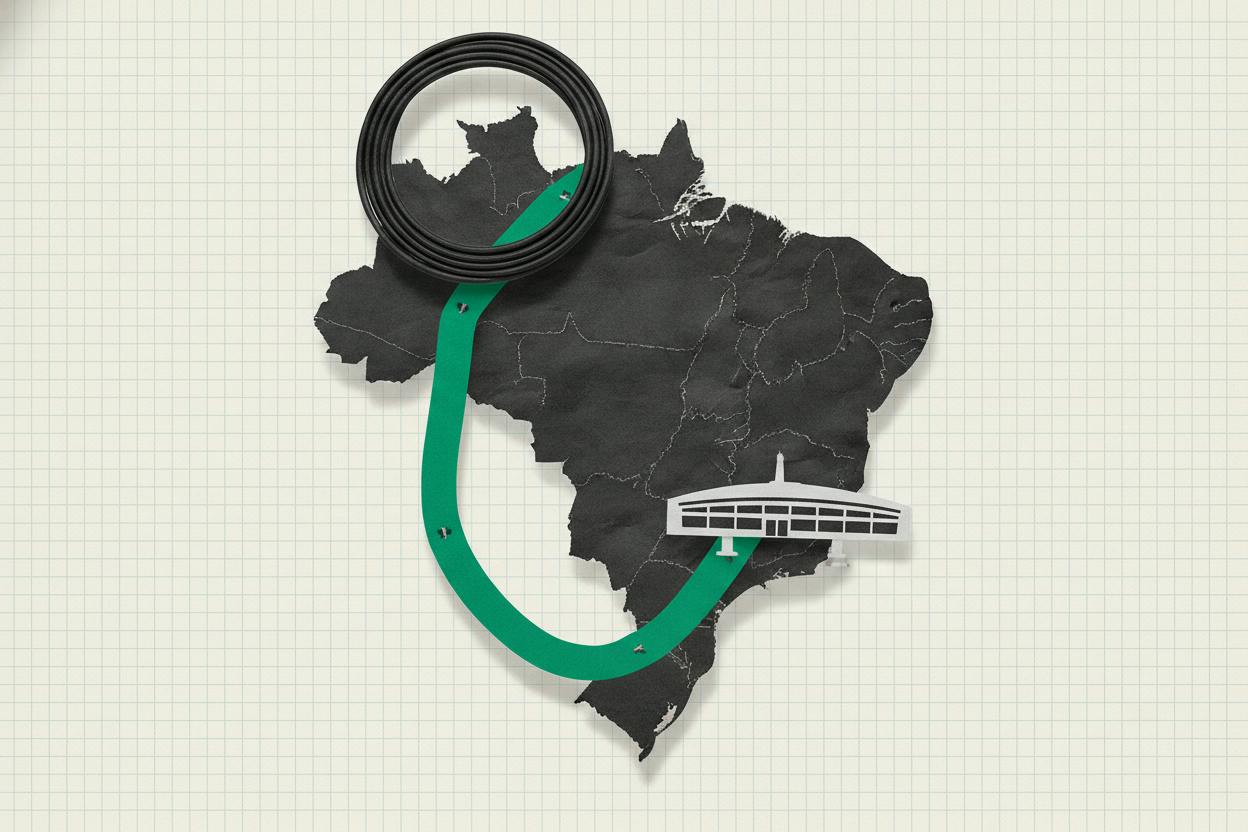
Spanish corporate giants are making fresh inroads into Brazil's deal landscape. Telefonica Brasil, the country's largest telecom operator, is in early-stage talks to acquire fiber-optic provider Vero, while airport operator Aena has secured 1.8 billion reais (roughly $320 million) in local financing for its Rio-Galeao airport concession. These moves underscore a broader trend of Spanish firms betting on Brazil's infrastructure and digital connectivity.
Telefonica Brasil's fiber ambitions
Telefonica Brasil, a subsidiary of Spain's Telefonica, is reportedly in preliminary discussions to buy Vero, a regional fiber-to-the-home operator. Vero, which focuses on providing high-speed internet in smaller cities and underserved areas, would complement Telefonica's existing fiber network and help it compete more aggressively in Brazil's rapidly growing broadband market.
Brazil's fiber market has become a hotbed of consolidation, with several regional players merging or being acquired by larger groups. The country's vast geography and increasing demand for streaming, remote work, and online services have made fiber a strategic asset. For Telefonica, acquiring Vero could expand its reach beyond major metropolitan areas and strengthen its position against rivals like Brazil's other infrastructure plays.
While the talks are still early and may not result in a deal, they signal that Telefonica is willing to invest to defend its market share. The company already operates a large fiber network under the Vivo brand, and adding Vero's customer base could boost its subscriber numbers and revenue per user.
Aena's financing for Rio-Galeao
Separately, Aena, the Spanish airport operator, has arranged 1.8 billion reais in local financing for its concession at Rio de Janeiro's Galeao International Airport. The financing, likely in the form of project bonds or loans from Brazilian banks, will support upgrades and expansion at the airport, which Aena has operated since 2014.
Galeao has faced challenges, including a decline in international traffic during the pandemic and competition from Santos Dumont airport, which is closer to the city center. However, Aena's investment plan aims to modernize terminals, improve passenger experience, and attract more airlines. The local financing reduces currency risk, as revenues from the airport are in reais, while debt in the same currency aligns cash flows.
This move fits a pattern of Spanish infrastructure firms seeking growth in Latin America. Aena already manages several airports in Brazil, and this financing shows its commitment to the region despite economic headwinds.
What it means for investors
For everyday investors, these developments highlight the attractiveness of Brazil's infrastructure and telecom sectors. Spanish companies are willing to deploy capital in the country, betting on long-term growth in connectivity and travel. This can be seen as a vote of confidence in Brazil's economic fundamentals, even as the country grapples with high interest rates and political uncertainty.
Telefonica Brasil's potential acquisition of Vero could be positive for its shareholders if it leads to increased market share and cost synergies. However, investors should watch how the company finances the deal and whether it overpays for a smaller player. In the past, acquisitions in Brazil's fiber market have sometimes led to integration challenges.
For Aena, the financing is a routine but important step in executing its investment plan. By borrowing locally, the company avoids foreign-exchange volatility, which has hurt other infrastructure operators in emerging markets. This prudent approach could support steady returns for its investors.
These moves also reflect a broader trend of international capital flowing into Brazil, from mining to airports to telecom. While each deal is unique, together they suggest that Brazil remains a key destination for companies seeking growth outside their home markets.
What to watch next
Investors will be watching whether the Telefonica-Vero talks progress to a formal bid and at what valuation. They will also monitor Aena's airport traffic numbers and how the financing supports its expansion. Both stories are part of a larger narrative of Spanish corporate activity in Brazil, which could continue as companies look for opportunities in the region.
For those with exposure to Brazilian assets, these developments are a reminder that corporate activity can be a driver of stock prices and sector performance. As always, it's important to consider the broader economic environment, including inflation and interest rates, which can affect the success of these investments.
In summary, Spain's corporate moves into Brazil are a sign of confidence in the country's long-term potential. Whether it's fiber networks or airports, these investments aim to capture growth in essential services. For investors, they offer a window into where capital is flowing and why.