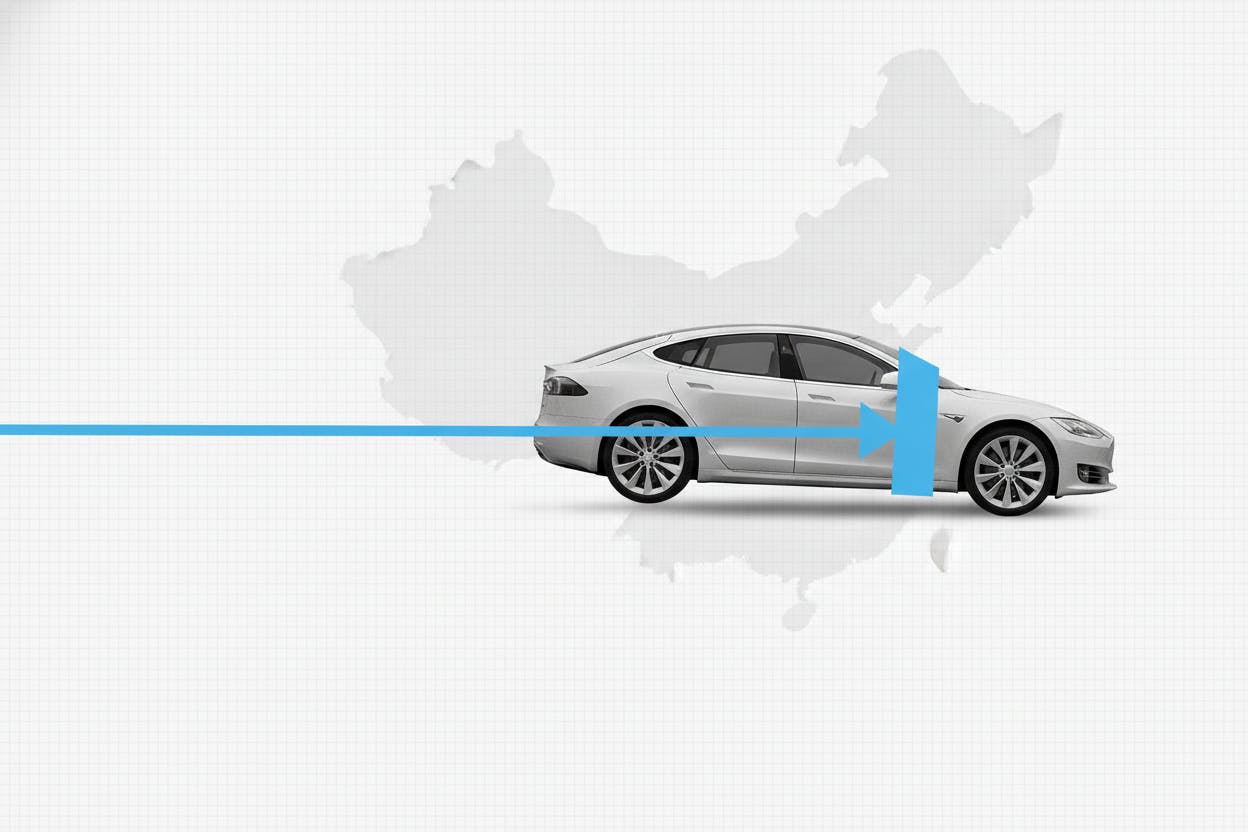
Tesla's Shanghai-made electric vehicles continued to sell well in August, but the growth rate is clearly cooling. The company delivered 86,166 China-made Model 3 and Model Y vehicles last month, according to data from the China Passenger Car Association cited by Reuters. That's up 3.6% from the same month last year, but down 7.9% from July, when year-on-year growth was much faster.
The slowdown comes as competition in China's electric vehicle market intensifies. A wave of domestic rivals, from established automakers to newer startups, have been slashing prices and launching new models, squeezing Tesla's once-dominant position. The result: Tesla is having to work harder to hold its ground in the world's largest EV market.
Exports take a bigger slice
One notable shift in August was the growing role of exports. As domestic competition heats up, a larger share of Tesla's Shanghai output is being shipped overseas. That helps Tesla find buyers for its cars even if Chinese consumers are becoming more cautious or have more choices at home.
The export trend also reflects broader dynamics in China's auto industry. Many manufacturers are using overseas markets to absorb excess capacity, especially as domestic demand softens. For Tesla, exports to Europe and other regions provide a valuable outlet, though they also expose the company to currency swings, shipping costs, and shifting demand in those markets.
Reuters noted mixed signals from overseas. Registrations of Tesla vehicles looked stronger in France and Denmark, but softer in Norway, Spain, Sweden, Portugal, and Italy. That patchwork picture suggests that while some European markets are still embracing Tesla, others are seeing demand fade, possibly due to increased competition from local EV makers and changing incentive structures.
What this means for investors
For everyday investors, the key takeaway is that Tesla's growth story is maturing. The days of triple-digit percentage gains in China are long gone. Now, even a 3.6% increase is worth noting because it shows the company is still growing, but at a much more modest pace.
Slower growth in China matters because it's a major profit center for Tesla. The Shanghai factory is one of the company's most efficient, producing cars at scale for both domestic and export markets. If growth there continues to decelerate, it could weigh on Tesla's overall financial results and its stock price.
Investors should also watch how Tesla navigates the price war. Cutting prices can boost volumes but squeeze profit margins. Tesla has already trimmed prices several times in China over the past year, and that has helped keep sales moving but has also raised questions about how sustainable those margins are.
The export shift is another factor to monitor. If Tesla can successfully sell more cars overseas, it may offset some of the domestic slowdown. But overseas markets come with their own challenges, including regulatory hurdles, local competition, and logistical costs.
Broader market context
Tesla's situation is playing out against a backdrop of broader economic uncertainty. China's economy has been struggling to regain momentum, with consumer confidence shaky and property market woes persisting. That has weighed on everything from retail sales to auto purchases, and EV makers are feeling the pinch.
At the same time, global markets have been jittery. Rising bond yields and oil prices have put pressure on stocks, including tech and growth names like Tesla. Investors are also keeping an eye on central bank policies, with rate decisions in various countries affecting borrowing costs and consumer spending.
For those following the EV sector, Tesla's monthly China numbers are a useful barometer. They offer a timely snapshot of demand and competitive dynamics in the world's biggest EV market. While one month doesn't make a trend, the August data suggests that Tesla's growth engine is losing some steam.
As always, it's important to look beyond the headline numbers. The mix of domestic sales versus exports, the pace of price cuts, and how Tesla's margins hold up will all be critical to watch in the coming months. For now, the story is one of a company that's still growing, but at a slower, more measured pace.