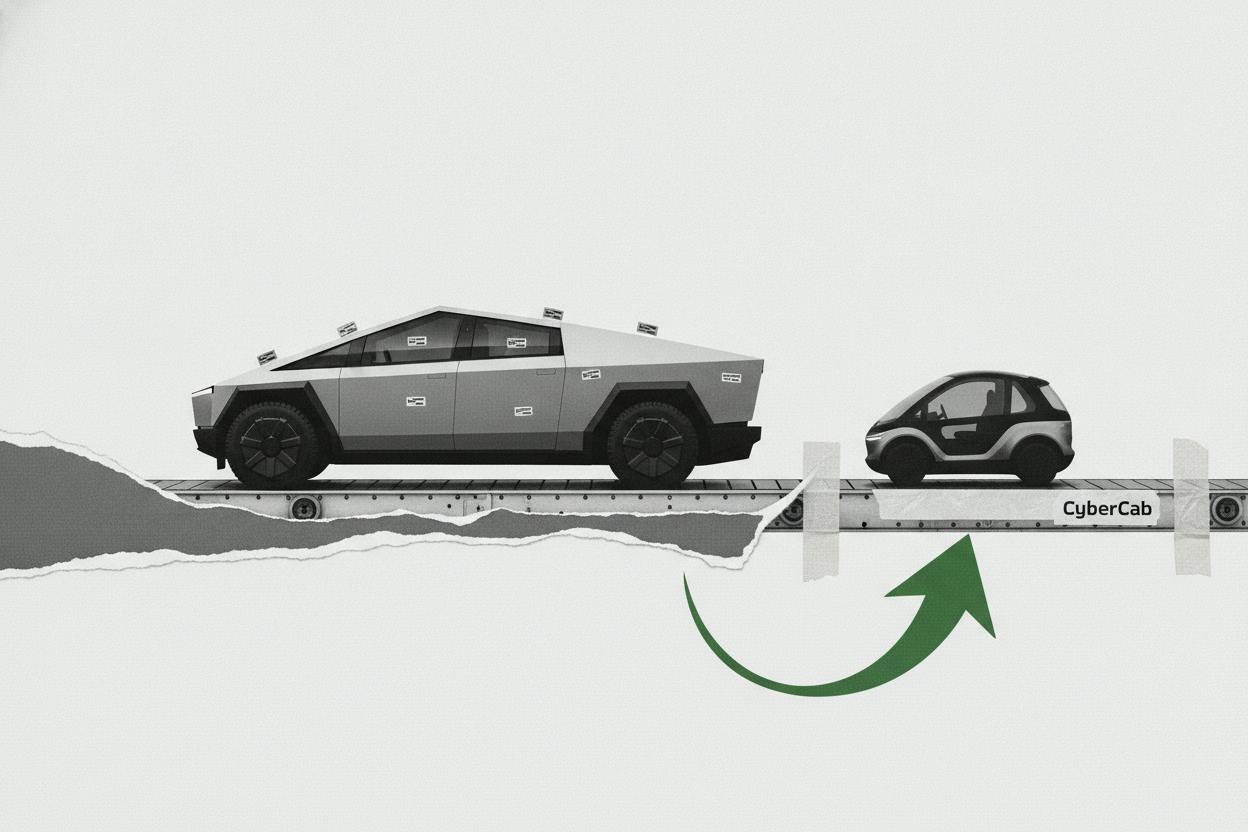
Tesla has confirmed plans to wind down production of its Cybertruck at its Gigafactory in Austin, Texas, by around mid-2027. The move will free up manufacturing capacity for the company's upcoming Cybercab robotaxi, according to CEO Elon Musk.
The decision marks a significant retreat from one of Musk's most ambitious vehicle projects. The angular, stainless-steel pickup was unveiled to great fanfare, but demand has fallen well short of early expectations. Kelley Blue Book estimates that just over 20,000 Cybertrucks were sold in the U.S. last year, down from nearly 39,000 in 2024. Musk had previously talked about producing far higher annual volumes.
The Cybertruck has also been plagued by quality issues. The National Highway Traffic Safety Administration (NHTSA) lists 11 recalls since late 2023, with fixes ranging from physical repairs to over-the-air software updates. These problems have added to the model's struggles and likely contributed to its sluggish sales.
Pivoting to the Cybercab
By shifting Austin's production lines to the Cybercab, Tesla is doubling down on its bet that robotaxis—not traditional cars—represent the company's future. The Cybercab is a purpose-built autonomous vehicle designed to operate without a steering wheel or pedals. Tesla has been developing its Full Self-Driving software for years, and Musk has repeatedly said that a fleet of robotaxis could unlock huge value for the company.
The Austin plant is currently the only facility producing the Cybertruck, according to Reuters. Winding down that model will allow Tesla to repurpose the factory floor for the Cybercab, which is expected to enter production in the coming years. The company has not yet announced a specific start date for Cybercab production, but the mid-2027 timeline for the Cybertruck phase-out suggests the robotaxi will take over soon after.
This pivot is not without risk. Robotaxi technology is still unproven at scale, and regulatory approval for fully autonomous vehicles remains uncertain. Tesla faces competition from other companies like Waymo, which already operates commercial robotaxi services in several U.S. cities. If the Cybercab hits delays or regulatory hurdles, Tesla could find itself with excess capacity and a gap in its product lineup.
What it means for investors
For investors, the Cybertruck wind-down is a clear signal that Tesla is reallocating resources toward what it sees as its next growth engine. The Cybertruck was supposed to be a high-volume, high-margin product that would broaden Tesla's appeal beyond its sedan and SUV lineup. Instead, it has become a cautionary tale about the challenges of launching a radically different vehicle.
The sales figures tell the story: a sharp drop from 2024 to 2025 indicates that early hype did not translate into sustained demand. The repeated recalls have also hurt consumer confidence and added to costs. By moving on, Tesla is cutting its losses on a model that never lived up to its billing.
At the same time, the shift to the Cybercab represents a major strategic bet. If Tesla can successfully launch a robotaxi service, it could open up new revenue streams and transform how people think about car ownership. But that's a big "if." The technology is complex, the regulatory environment is uncertain, and the competitive landscape is crowded.
Investors should watch for updates on Cybercab development, including any announcements about production timelines, regulatory approvals, or pilot programs. They should also monitor Tesla's overall delivery numbers and margins, as the transition away from the Cybertruck could temporarily reduce production volumes.
For everyday investors, the key takeaway is that Tesla is making a strategic pivot. The Cybertruck's failure is a reminder that even the most hyped products can stumble. The Cybercab represents a new opportunity, but it comes with its own set of risks. As always, it's important to consider how this fits into your broader investment strategy and risk tolerance.
Related coverage: Tesla's Austin plant shift and recent labor market trends.