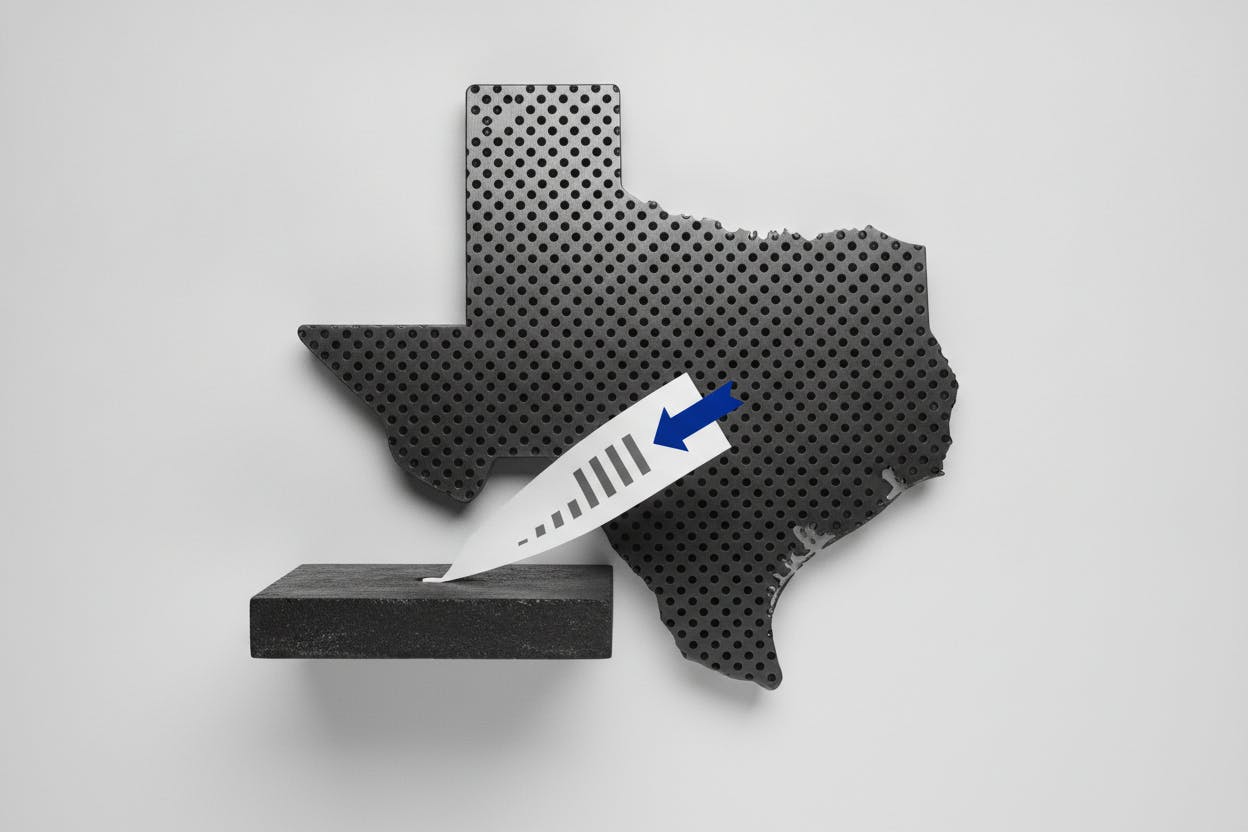
The Texas Stock Exchange (TXSE) has secured its first primary exchange-traded fund (ETF) listings. Texas Capital Bancshares announced that two of its funds will move their main trading venue from NYSE Arca to TXSE starting September 16, subject to regulatory approval.
This is a significant step for TXSE, which began full trading operations in July and is backed by major financial players including BlackRock, Citadel Securities, and Charles Schwab. The exchange has said it expects to accept initial public offerings (IPOs) next year, positioning itself as a new competitor to established venues like the New York Stock Exchange and Nasdaq.
What changes for the ETFs?
Texas Capital said the two ETFs will keep their ticker symbols and investment strategies unchanged. What changes is their "home" exchange—the primary listing venue where the funds are officially registered and where market makers and other participants look for pricing and liquidity.
For ETFs, the primary listing is largely administrative. The funds will continue to trade on multiple exchanges, and investors can buy and sell shares just as they did before. The move is more about signaling support for a new exchange than about changing how the ETFs operate.
TXSE has been courting issuers and traders with promises of lower costs and a more business-friendly regulatory environment. By landing its first primary ETF listings, it gains credibility and a foothold in the competitive exchange landscape.
Why this matters for investors
For everyday investors, the practical impact of this move is likely minimal. Your ability to buy or sell these ETFs won't change, and the funds' underlying holdings and performance remain the same. The ticker symbols stay put, so you won't need to learn new codes.
But the broader significance is worth watching. A successful TXSE could increase competition among exchanges, potentially leading to lower trading fees and more innovation in how stocks and ETFs are listed and traded. That could benefit investors over the long term, even if the immediate effect is invisible.
It's also a reminder that the infrastructure behind your investments—the exchanges where trades are executed—is not static. New players are constantly trying to carve out space, and their success or failure can shape market dynamics.
What to watch next
Investors should keep an eye on whether TXSE can attract more ETF issuers and, eventually, companies looking to go public. The exchange's ability to win primary listings from established players like Texas Capital is an early vote of confidence, but it remains to be seen how many others will follow.
For now, the two Texas Capital ETFs will begin trading on TXSE on September 16, assuming regulators give the green light. That date will mark a small but notable milestone in the evolution of U.S. equity markets.