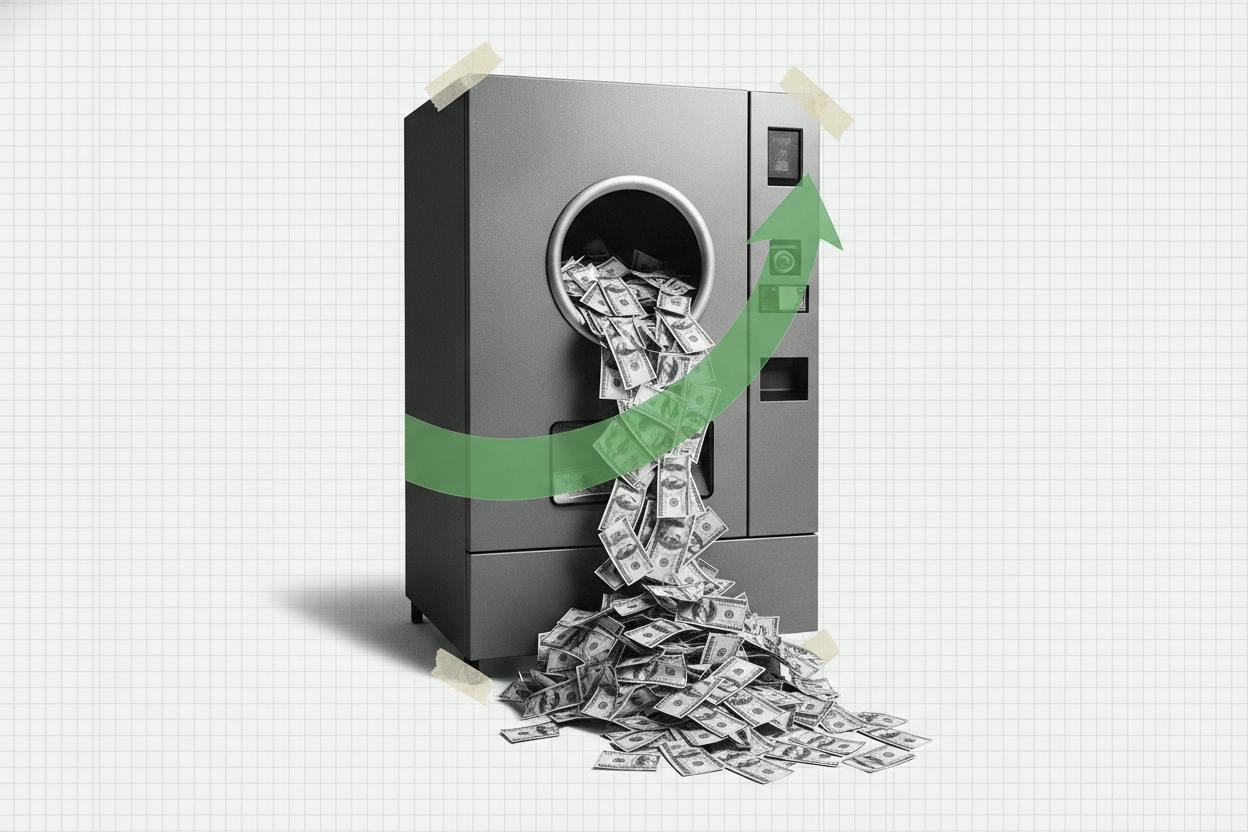
Norwegian recycling and sorting equipment maker Tomra reported third-quarter results that beat analyst expectations, with the standout being a surge in free cash flow. The company also reaffirmed its 2026 outlook, which points to gross margins of roughly 40%.
Q3 numbers beat estimates
Tomra posted revenue of €366 million for the third quarter, ahead of the €347 million analysts had penciled in. Adjusted EBITA—earnings before interest, taxes, and certain accounting items—came in at €47 million, topping the €41 million consensus estimate.
The bigger headline, though, was adjusted free cash flow of €112 million. Free cash flow is the money left over after a company covers its day-to-day operating costs and capital spending. It's a key measure of financial health because it shows how much cash a business can generate on its own, without needing to borrow or issue new shares.
For a capital-intensive manufacturer like Tomra, such a strong cash conversion is notable. It gives management more flexibility to fund growth initiatives, pay down debt, or return money to shareholders—all without leaning on external financing.
Why this matters for investors
Tomra operates in two main segments: Collection, which makes reverse vending machines for beverage container recycling, and Recycling, which builds sorting equipment for waste and metal recovery. The company also has a smaller Food segment that provides optical sorting for the food industry.
The company kept its 2026 outlook for Collection, Recycling, and Food, which points to roughly 40% gross margins. That's a signal that management sees the current momentum as sustainable, not just a one-quarter blip. Gross margin is the percentage of revenue left after the direct costs of making and selling products, and a 40% level is considered healthy for this type of industrial equipment business.
Tomra's results come at a time when global recycling and waste management are getting more attention from regulators and consumers. Many countries are expanding deposit return schemes for bottles and cans, which directly boosts demand for Tomra's reverse vending machines. Similarly, tighter rules on waste sorting and a push for circular economies are supporting demand for its sorting equipment.
That backdrop helps explain why the company can beat estimates and still look forward to more growth. But investors should also note that Tomra's business is tied to the broader economy. If industrial spending slows, orders for big-ticket sorting machines could weaken, and that would pressure revenue and margins.
What to watch next
Investors will likely focus on whether Tomra can sustain its cash flow strength in the coming quarters. The company's ability to convert earnings into cash is a good sign, but it can be volatile from quarter to quarter, especially if customers delay orders or if raw material costs rise.
Another key factor is the pace of new regulations. The company's growth is closely linked to policy decisions on recycling and waste management. Any delays or rollbacks in deposit return schemes or recycling mandates could slow demand.
Tomra's reaffirmed 2026 outlook suggests management is confident in the long-term trajectory. For everyday investors, the takeaway is that Tomra is executing well right now, and its strong cash generation gives it a solid foundation. But as with any industrial company, cyclical risks remain, and it's worth keeping an eye on order trends and regulatory developments.
In the broader context, Tomra's beat echoes a theme seen across the industrial sector this earnings season: companies that can manage costs and generate cash are being rewarded, even as some peers struggle with higher input costs or weaker demand. For instance, freight railroads have also beaten profit estimates on the back of higher volumes, showing that operational efficiency is a common driver of outperformance.
Tomra's focus on recycling also ties into the growing emphasis on sustainability, which could provide a tailwind for years to come. However, investors should remember that no company is immune to economic cycles, and Tomra's fortunes will ultimately depend on how well it navigates the ups and downs of global manufacturing and policy.



